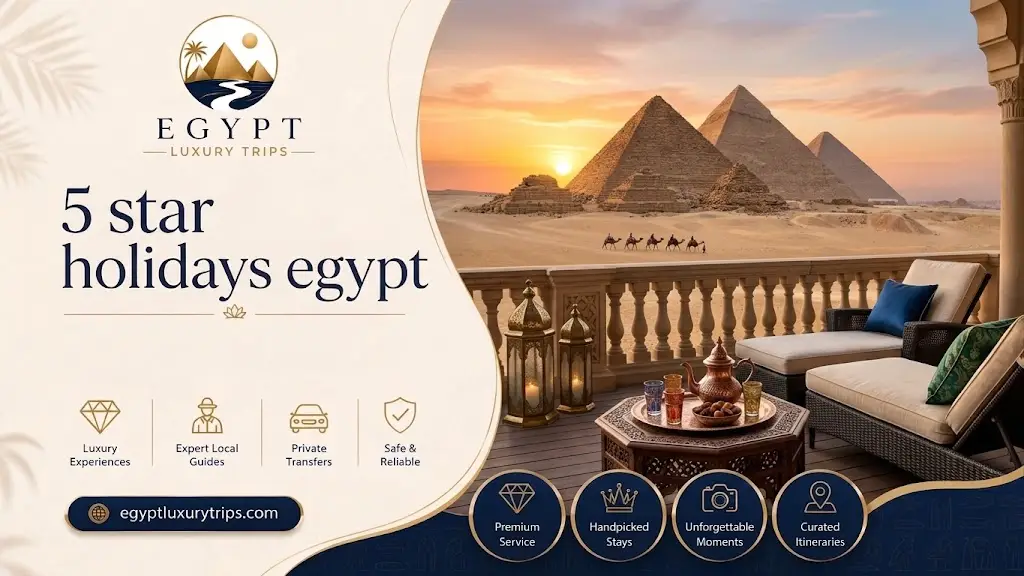

A luxury holiday to the Pyramids and the Red Sea.
The premise
Culture first, coast second — in that order.
There is a particular kind of holiday that people describe for years afterwards, and it usually has two halves.
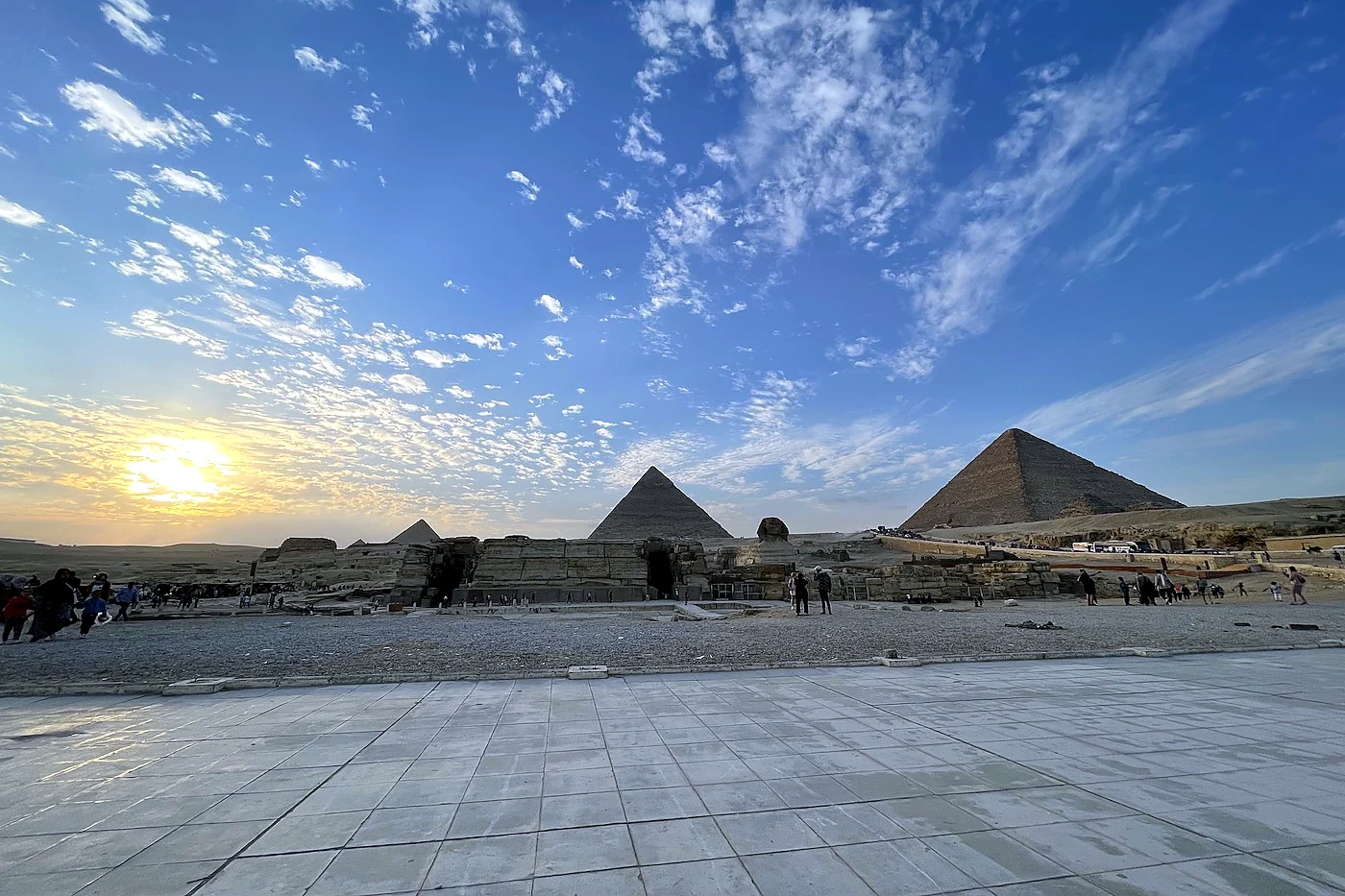
The first half is loud in the best way: the Giza plateau at nine in the morning, the limestone still cool, a guide explaining how a structure built without wheels or pulleys is still standing four and a half thousand years later. The second half is almost silent: a lounger, a flat blue sea, and absolutely nowhere you need to be.
A luxury holiday to the Pyramids and the Red Sea gives you both, in that order. Culture first, while your energy is high. Coast second, while your camera roll is full and your legs are tired.
We are Egypt Luxury Trips, and this is the shape of holiday we are asked for most often by travellers from the United States, the United Kingdom, Canada, Australia and across Europe. Below, we have set out exactly how this trip works, what each stage actually involves, and which of our tours slot into it — so you can decide whether it suits you before you speak to anyone.
Why Egypt works so well as a two-part holiday
Most long-haul destinations ask you to choose. Ruins or resort. History or holiday. Egypt is unusual because the two sit within a short domestic flight of each other, and the contrast between them is the entire point.
Consider what you get on one trip:
- Antiquity at full scale — the Giza Pyramids, the Sphinx, the temples of Luxor and Karnak, the painted tombs of the Valley of the Kings.
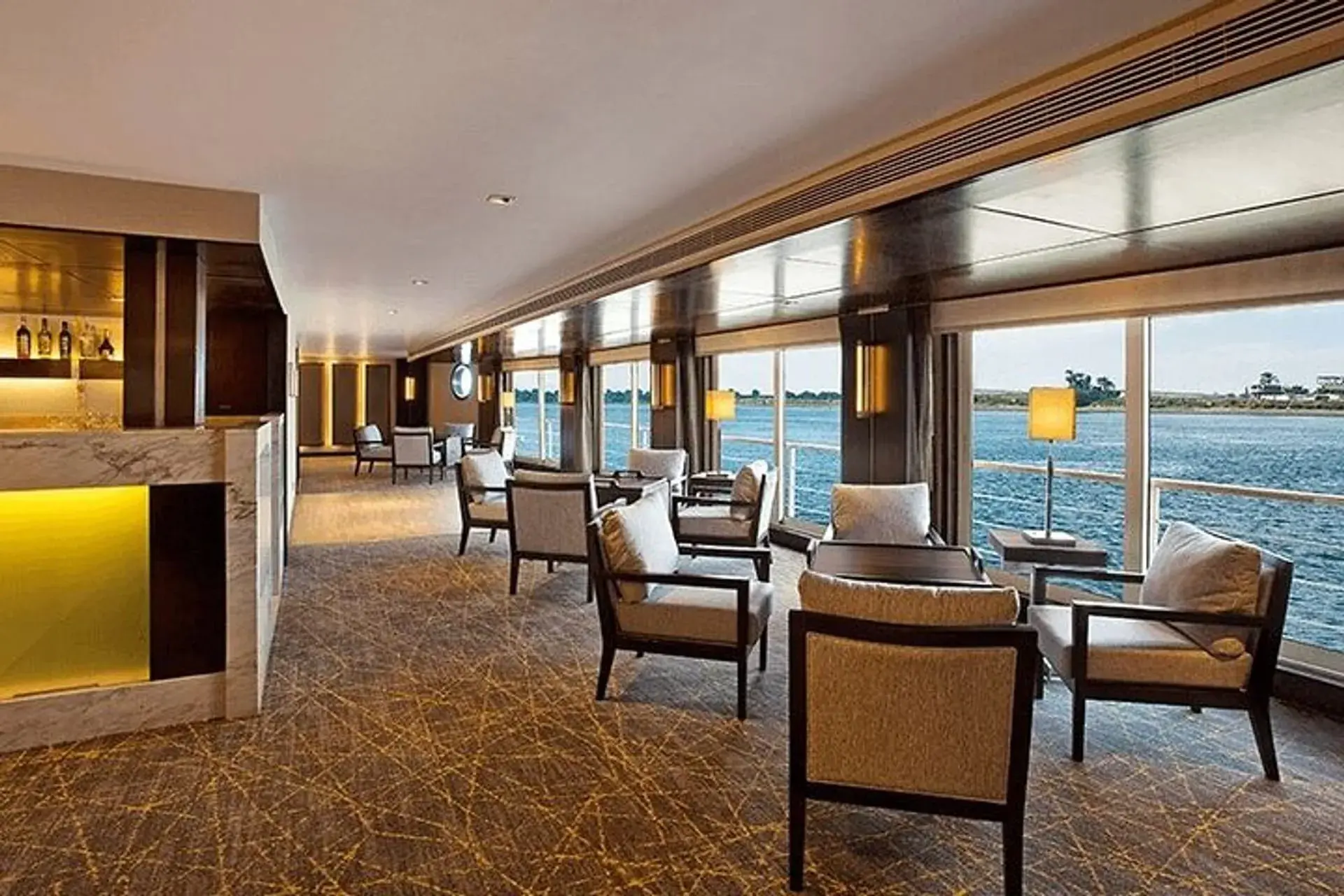
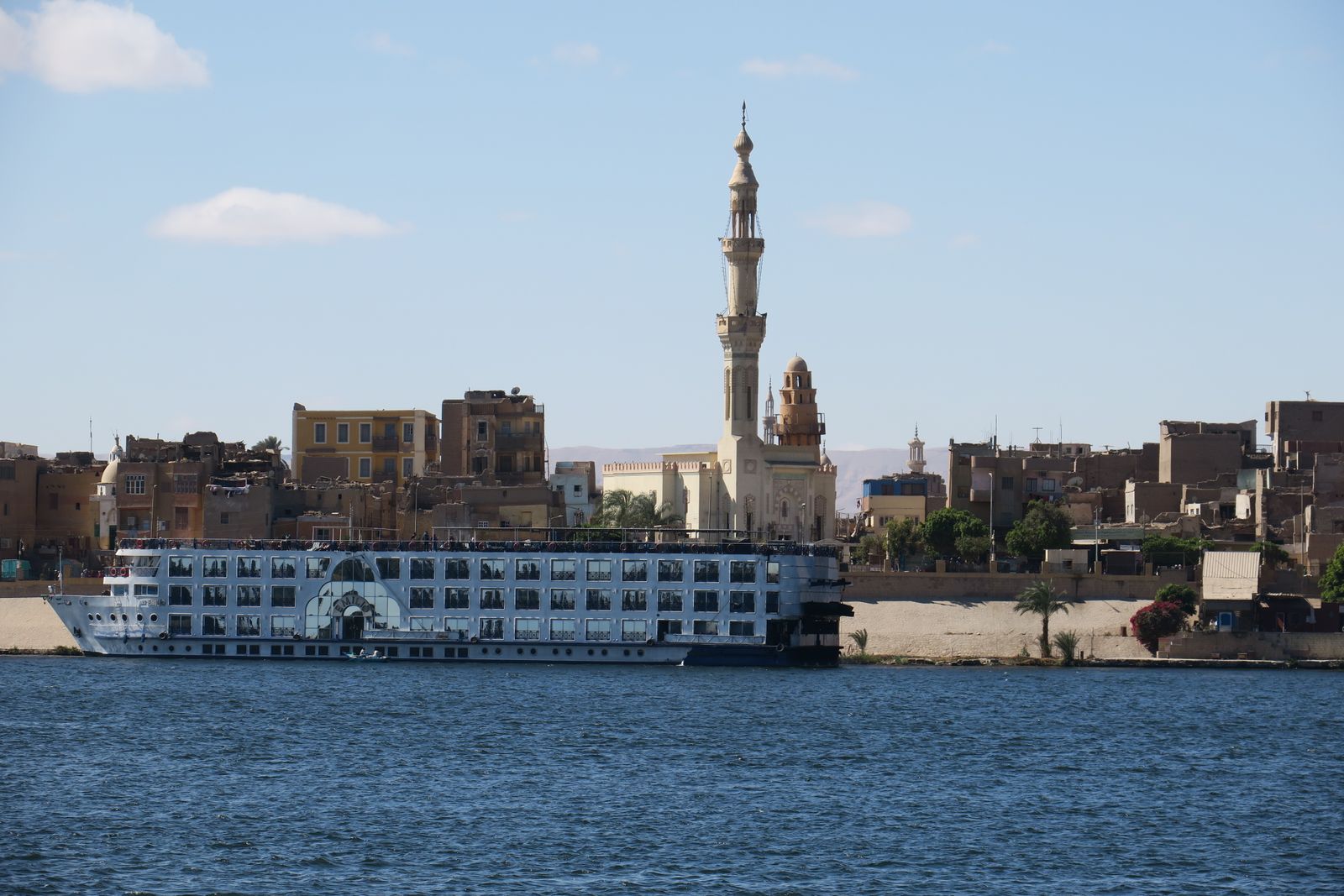
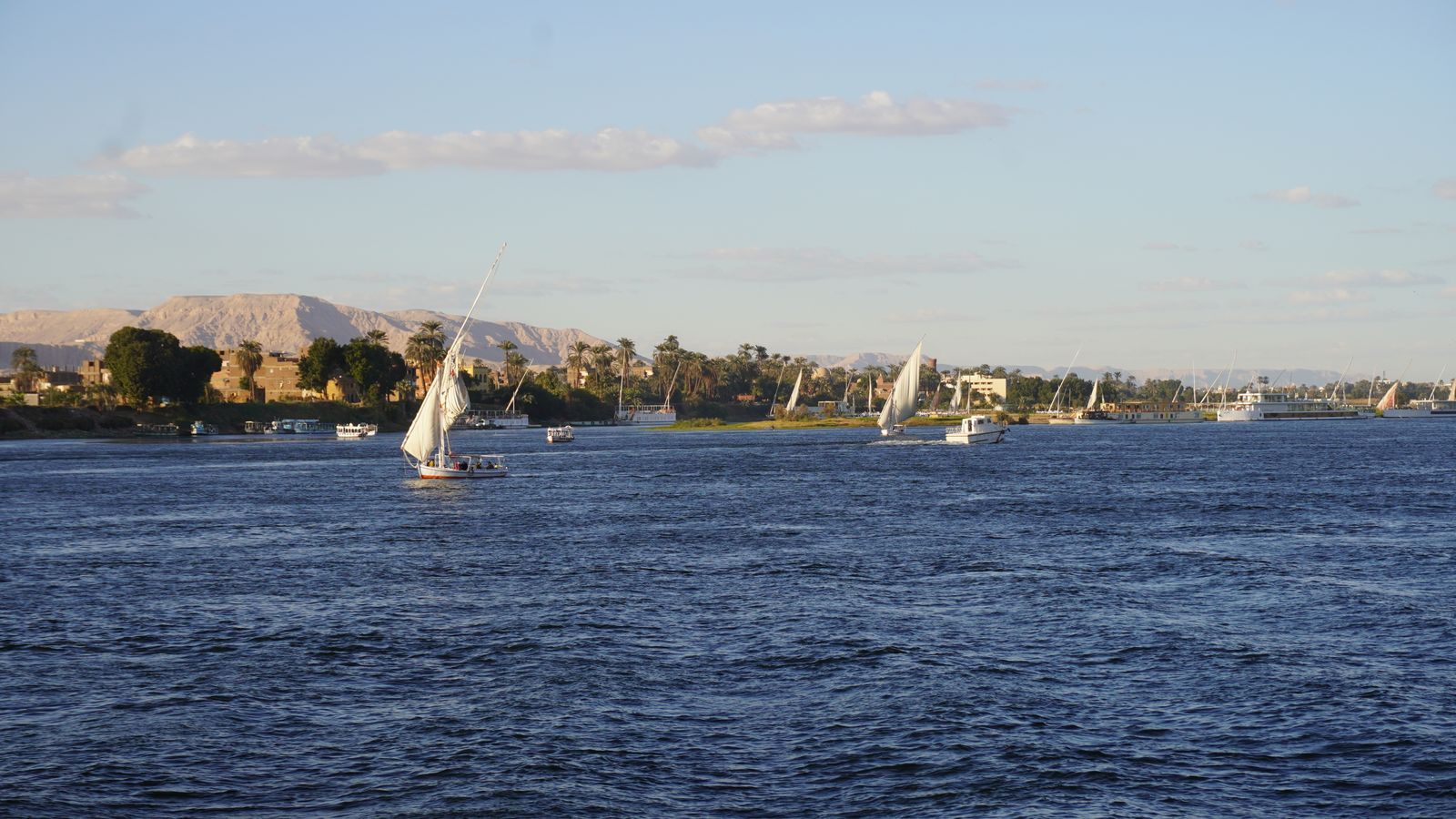
- A river that behaves like a moving hotel — a Nile cruise between Luxor and Aswan, where the scenery changes while you eat breakfast.
- A coastline built for doing nothing — the Red Sea, with reefs close enough to shore that snorkelling is a pre-lunch activity rather than an expedition.
- Warm weather when your home country has none — which is why Egypt fills up between October and April.
The mistake we see most often is travellers trying to compress this into too few days, then spending the whole trip in transit. The second most common mistake is the opposite: booking two weeks of temples with no rest, and coming home more tired than when they left.
The fix is sequencing, and that is most of what we do.
Stage one
Cairo and the Giza Pyramids.
Cairo is where the trip starts, because it is where your international flight lands and because nothing else in Egypt prepares you for it. These are programmes we already run, and any of them can form your first days — alongside the Nile and Red Sea stages that follow.
 Cairo & Giza
Cairo · Giza
Giza Pyramids and Grand Egyptian Museum
The plateau plus Egypt’s flagship museum. A note we give every client: the Grand Egyptian Museum and the Giza plateau on the same day is a long day. It is doable, and many people want it done, but if you have just landed from a ten-hour flight, we usually suggest splitting them.
 4 nights
Luxor · Edfu · Kom Ombo · Aswan
4-Night Nile Cruise from Luxor to Aswan
Downstream to upstream, the longer version. The Nile does the travelling while you sleep, and the temples at Edfu and Kom Ombo appear on the itinerary without a single extra transfer.
 By flight
Aswan · Abu Simbel
Abu Simbel Temples by Flight
The colossal rock temples of Ramesses II near the Sudanese border. Flight is faster and gentler; the Abu Simbel Private Tour by Road is longer but shows you the desert.
 Aswan
Aswan
Aswan · West bank
St Simeon Monastery and the Tombs of the Nobles
One of the Aswan programmes we run alongside Philae, the High Dam and the Unfinished Obelisk, the Philae Temple Sound and Light Show, and the Nubian Village by Motorboat.
 Day trip
Safaga · Luxor
Safaga to Luxor Day Trip
If you happen to be arriving by cruise ship rather than by air, we run this day trip from the Red Sea port itself — and a Safaga Port to Luxor 2-Day Tour for longer calls.
 Your dates
Pyramids · Nile · Red Sea
Your Version of This Trip
We do not sell a locked itinerary here. The exact number of nights, the split between stages, and the routing all get confirmed with you directly, based on your dates, your flights and your pace.
| Programme | Focus |
|---|---|
| Giza Pyramids and Grand Egyptian Museum | The plateau plus Egypt’s flagship museum |
| Giza Pyramids and Sphinx Half-Day Tour | The essentials, with a short day |
| Giza Pyramids, Memphis and Saqqara | Three eras of pyramid building in one day |
| Dahshur, Saqqara and Giza Pyramids | The full pyramid evolution, quieter sites included |
| Dahshur, Memphis and Saqqara | Old Kingdom focus, away from the crowds |
| Egyptian Museum, Citadel and Old Cairo | Antiquities, Islamic Cairo and Coptic Cairo |
| Islamic and Coptic Cairo Tour | Mosques, churches, and the medieval city |
| Camel Ride at the Giza Pyramids | The panoramic desert view of all nine pyramids |
| Quad-Bike Tour at the Giza Pyramids | Desert plateau, best at sunset |
Stage two
The Nile — Luxor, Aswan and the cruise.
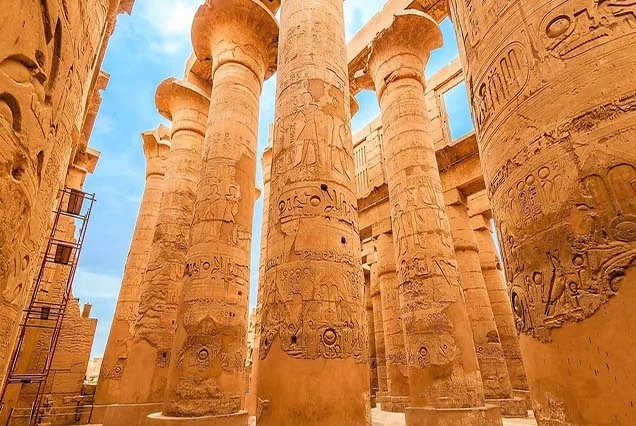
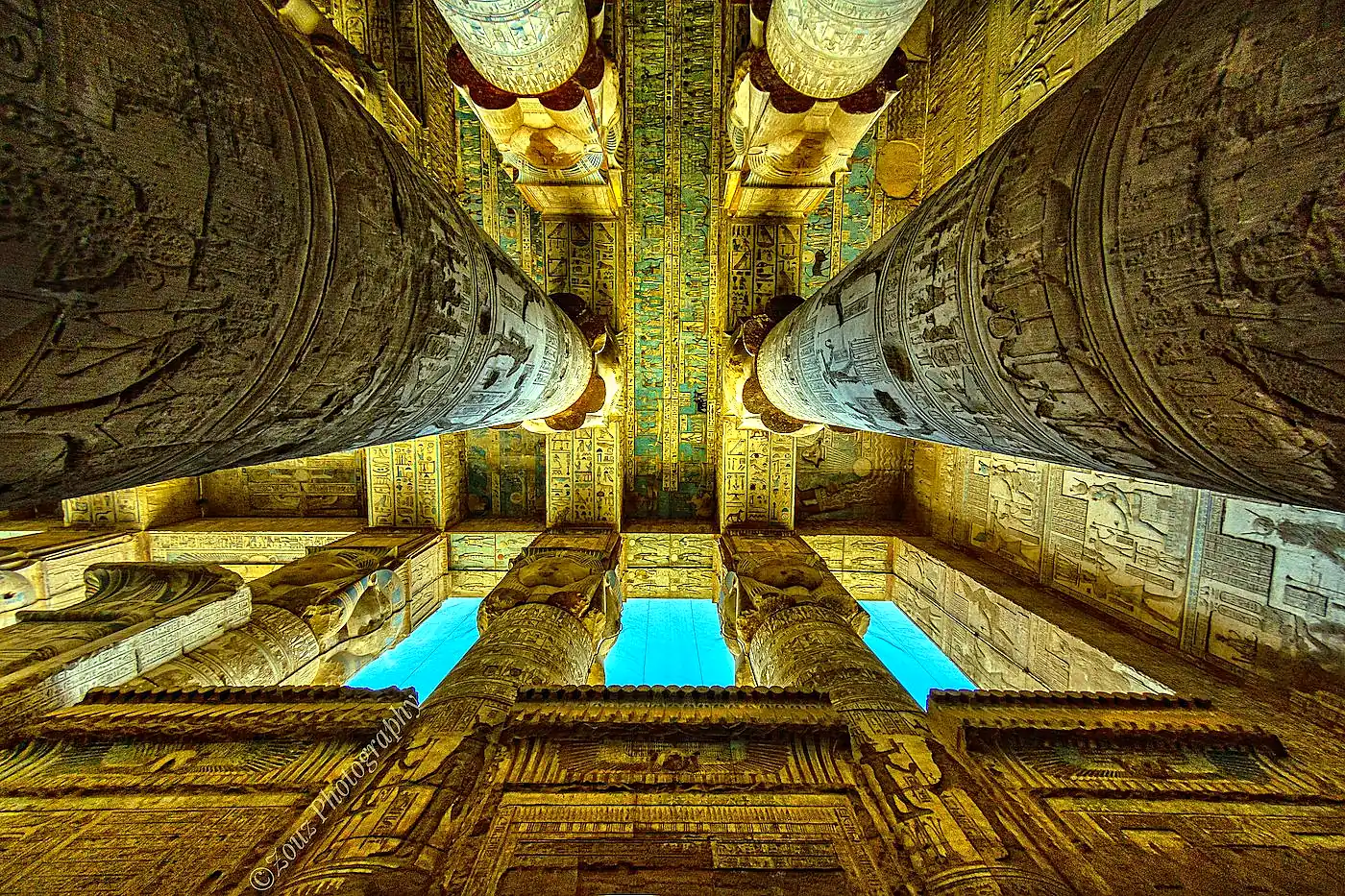
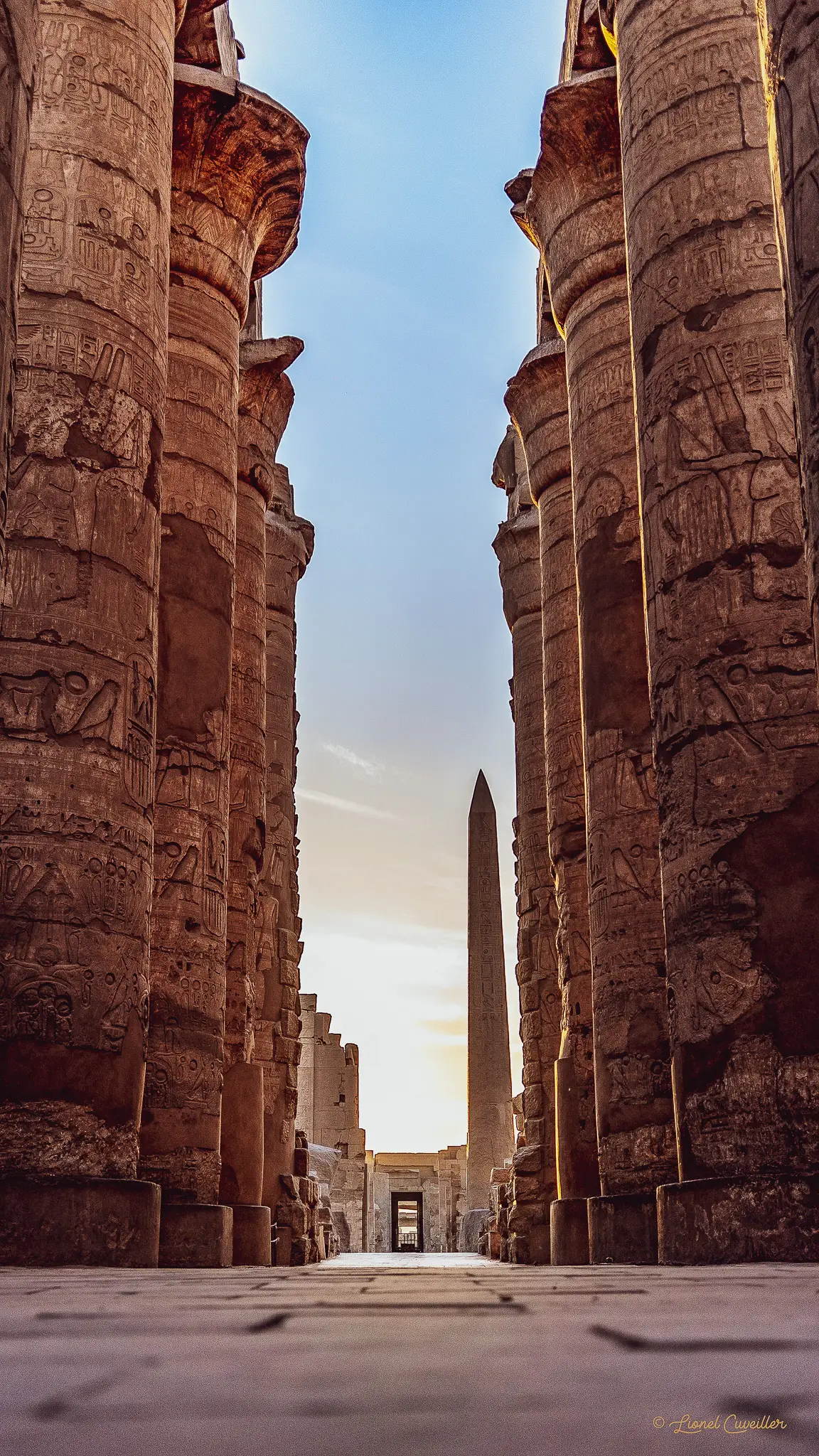
If Cairo is scale, Luxor is detail. This is where colour survives on tomb walls, where Karnak’s hypostyle hall makes people go quiet, and where the sunrise balloon flight over the West Bank is worth the early alarm.
You have two ways to cover Upper Egypt.
Option A — stay on land. Base yourself in Luxor and Aswan and take day tours. Best if you dislike boats, are short on time, or want maximum flexibility.
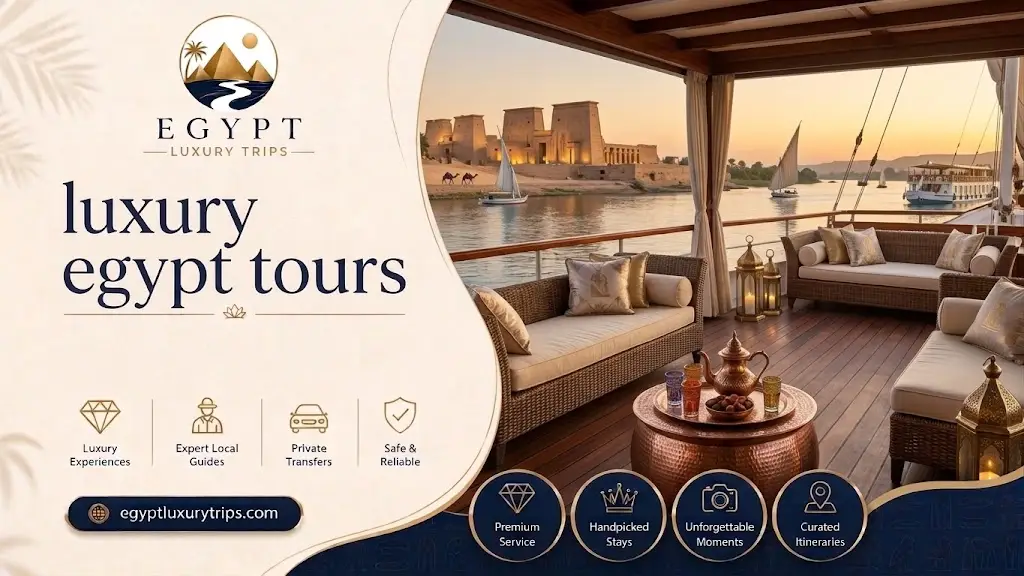
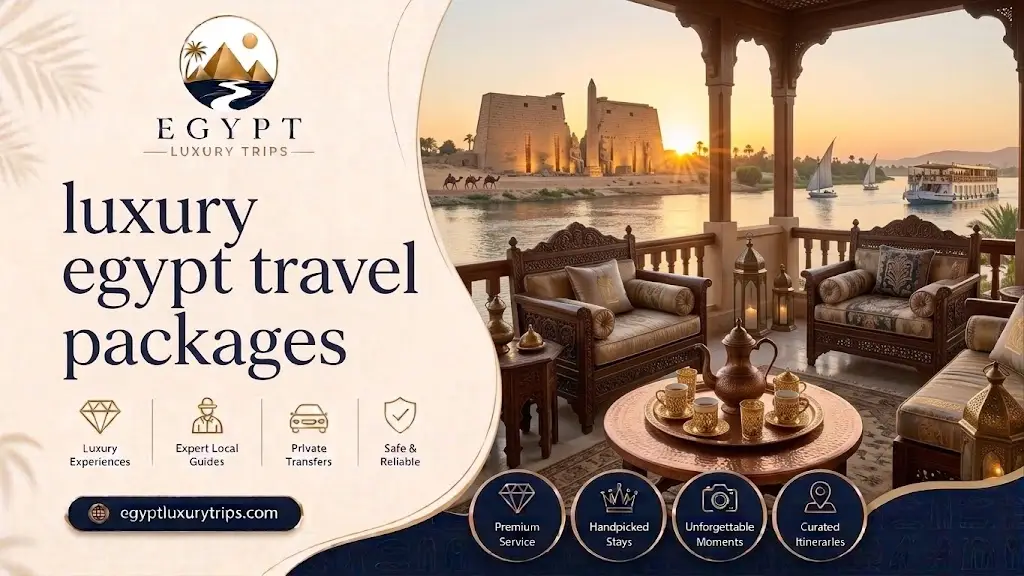
Option B — cruise between them. The Nile does the travelling while you sleep, and the temples at Edfu and Kom Ombo appear on the itinerary without a single extra transfer.
Is a Nile cruise worth adding to a Pyramids and Red Sea itinerary? In our experience, it is the single addition travellers regret skipping. It removes hotel changes, it removes road transfers, and it gives you the one stretch of the trip where the view moves and you do not.
| Cruise | Route |
|---|---|
| 4-Night Nile Cruise from Luxor to Aswan | Downstream to upstream, longer version |
| 3-Night Nile Cruise from Aswan to Luxor | Upstream to downstream, shorter version |
The map
The three stages, place by place.
Cairo first, the Nile second, the coast last. Here is what each stage actually involves, and which of our programmes cover it.
Cairo and the Giza plateau
The Giza plateau sits on the city’s western edge — closer to modern Cairo than most people expect. Nearby, Saqqara holds the Step Pyramid of Djoser, the first large stone building of its kind, and Dahshur holds the Bent Pyramid and the Red Pyramid, where you can often walk into the burial chamber with very few people around you.
Are pyramid-view hotels in Cairo worth booking? For a first visit, most travellers say yes — waking up to that view is part of the story you will tell later. The trade-off is that the pyramid-view district is further from central Cairo’s restaurants and museums. Tell us which matters more to you and we will confirm the options currently available.
Beyond the plateau, the city’s other half is covered by the Egyptian Museum, Citadel and Old Cairo programme and the Islamic and Coptic Cairo Tour.
Luxor
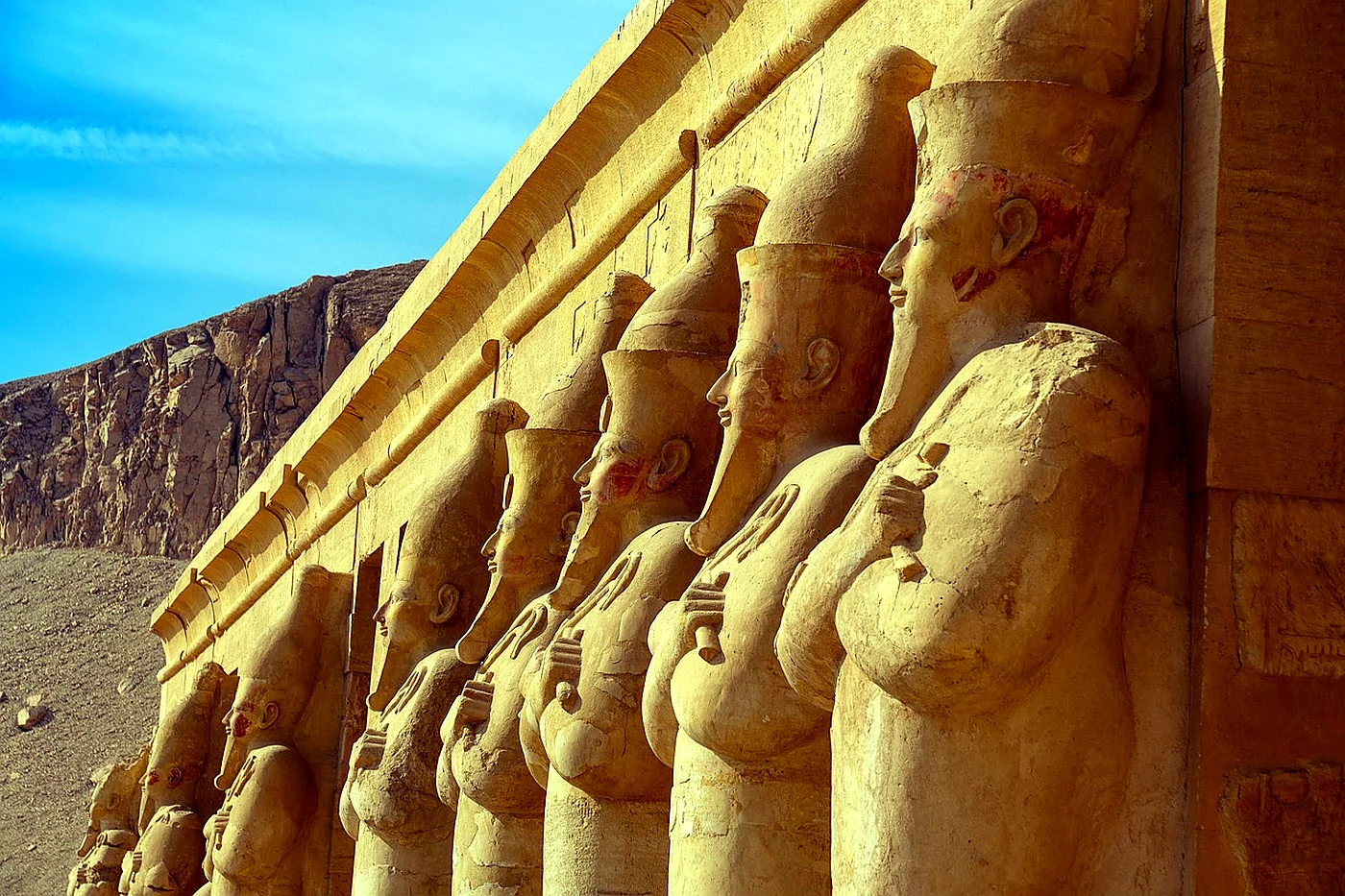
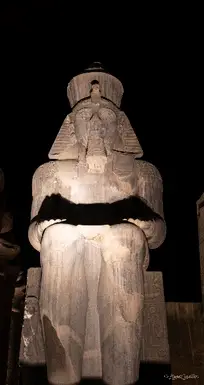
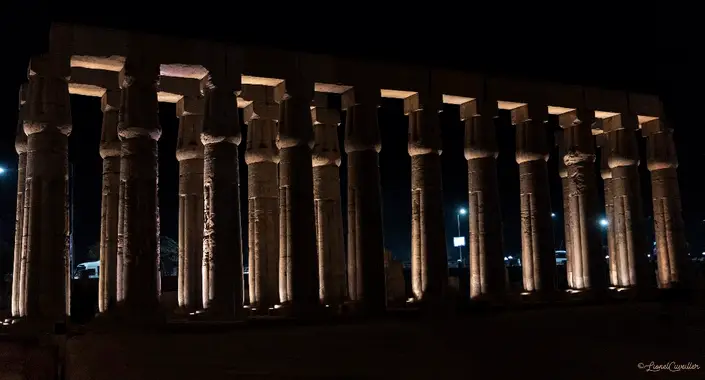
The Upper Egypt tours we run alongside or instead of a cruise include the Valley of the Kings and Hatshepsut Temple Tour, the Full-Day Luxor Tour of East and West Banks, Karnak and Luxor Temples, the Valley of the Nobles, Deir el-Medina and Medinet Habu, the Luxor Hot-Air-Balloon Ride, the Luxor Museum and Mummification Museum, a Luxor City Tour by Horse-Drawn Carriage, a Felucca Ride on the Nile, and the Karnak Temple Sound and Light Show.
This is where colour survives on tomb walls, and where the sunrise balloon flight over the West Bank is worth the early alarm.
Aswan and Abu Simbel
In Aswan: Philae Temple, the High Dam and the Unfinished Obelisk, the Philae Temple Sound and Light Show, the Nubian Village by Motorboat, and St Simeon Monastery and the Tombs of the Nobles.
For Abu Simbel — the colossal rock temples of Ramesses II near the Sudanese border — we run both an Abu Simbel Temples by Flight programme and an Abu Simbel Private Tour by Road. Flight is faster and gentler; road is longer but shows you the desert.

Travelling with more time
Dendera and Abydos Temples, the Dendera Temple Half-Day Tour, Edfu and Kom Ombo Temples from Luxor, and the Esna and El-Kab Day Tour cover the sites most itineraries skip.
If Egypt is a repeat visit for you, this is where we would send you.

Stage three: the Red Sea
Then the trip changes character completely. Egypt’s Red Sea coast is a fringing reef system, which in plain English means the coral starts close to the beach. You do not need a boat to see something worth seeing, though the day boats reach the better sites.
Is Hurghada or Sharm El Sheikh better for a luxury Egypt holiday? It depends on one thing: what else is in your itinerary. Hurghada wins on logistics. It sits on the same side of the country as Luxor — a manageable road transfer, and a short domestic flight from Cairo. If your trip includes the Nile, Hurghada, Soma Bay, El Gouna or Sahl Hasheesh keep everything geographically tidy.
Sharm El Sheikh wins on diving. Ras Mohammed National Park and the Straits of Tiran are genuinely world-class. But Sharm is in Sinai, across the water, which means an extra flight if you are coming from Luxor. Marsa Alam wins on quiet. Fewer hotels, better marine life, less to do outside the resort. Some travellers love that. Others are bored by day four.
Which Red Sea destination is best for snorkelling and diving? For diving depth and reputation, Sharm El Sheikh. For house-reef snorkelling straight off the beach, Marsa Alam. For the broadest mix of both plus everything else, the Hurghada area.
And if you happen to be arriving by cruise ship rather than by air, we also run the Safaga to Luxor Day Trip and the Safaga Port to Luxor 2-Day Tour from the Red Sea port itself.

Planning
Which coast, how many days, and when.
Three decisions shape this holiday more than any others: where you spend the beach half, how long you give the whole trip, and which month you travel in.
Here is how the main Red Sea areas differ:
| Destination | Character | Best for |
|---|---|---|
| Hurghada | The largest resort hub, widest hotel choice | Variety, direct international flights, families |
| Soma Bay | Quiet peninsula, small number of large resorts | Couples wanting calm and space |
| El Gouna | Purpose-built lagoon town with marinas and restaurants | Travellers who want somewhere to walk to |
| Sahl Hasheesh | Landscaped bay, newer high-end properties | Beach-focused stays near Hurghada airport |
| Sharm El Sheikh | South Sinai, world-famous dive sites | Divers, and the Ras Mohammed reefs |
| Marsa Alam | Furthest south, least developed | Quiet, and the best chance of dugongs and turtles |
How many days do you actually need?
This is the question we are asked before any other. The honest answer is that it depends on how much of the Nile you want, but here is the planning framework we use.
| Trip length | Realistic shape |
|---|---|
| Around 8–9 nights | Cairo and Giza, a short Nile section, then a few nights on the coast |
| Around 10–12 nights | Cairo and Giza, a full Nile cruise, then a proper Red Sea stay |
| Around 13–14 nights | All of the above with Abu Simbel, quieter temples, and unhurried beach time |
Treat this as a framework, not a fixed package. We do not sell a locked itinerary here — the exact number of nights, the split between stages, and the routing all get confirmed with you directly, based on your dates, your flights and your pace. That is the point of enquiring rather than clicking “book now” on something generic.
Can I combine the Giza Pyramids, Luxor and Hurghada in one trip? Yes — it is the most requested combination we handle, and geographically it is the most efficient one.
The best time to visit the Pyramids and the Red Sea
Egypt’s high season is October through April, and for good reason.
| Period | Cairo & Luxor | Red Sea | Notes |
|---|---|---|---|
| October – November | Warm, comfortable sightseeing | Warm sea, warm air | Excellent all-round window |
| December – February | Cool and pleasant by day, cold nights in Luxor | Mild; some find the water cool | Peak season, book early |
| March – April | Warm, ideal | Warming up nicely | The other sweet spot |
| May – September | Very hot, especially Luxor and Aswan | Hot, but the sea is at its best | Sightseeing needs early starts |
If you are coming primarily for the beach, summer is not the problem people assume. If you are coming for temples, aim for the shoulder months and start early.
Who it is for
Who this holiday suits.
The rhythm — culture first, coast second — works particularly well for these travellers.
Couples and honeymooners
The rhythm works: shared discovery first, privacy second. Nobody wants to end a honeymoon on a 5am tomb visit. See also our Egypt luxury honeymoon packages.
Families
The pyramids hold children’s attention better than almost any museum, and a Red Sea resort at the end gives everyone the recovery days. Tell us the ages of your children and we will pace the touring accordingly.
First-time visitors to Egypt
You see the headline sites, understand what you are looking at, and still get a holiday.
Small groups and returning travellers
If you have already done the classics, we push the itinerary towards Dendera, Abydos, Esna, El-Kab and Dahshur.
Cruise-ship passengers
If you are arriving by cruise ship rather than by air, we run the Safaga to Luxor Day Trip and the Safaga Port to Luxor 2-Day Tour from the Red Sea port itself.
Travellers who want it in writing
Rather than list things we cannot guarantee for your specific dates, we confirm everything — touring, guiding, transfers, accommodation, cruise and internal travel — in writing when you enquire.
The process
Ready to see what your version looks like?
Here is what we will not do: quote you a price on a webpage, promise you a hotel we have not confirmed, or pretend a fixed fourteen-day itinerary suits everyone from a honeymooning couple to a family of five.
Here is what we will do. Take your dates, your travel party, your budget range and your priorities — pyramids-heavy, Nile-heavy, or beach-heavy — and come back to you with a real itinerary, real options and real numbers.
Send your dates and party size
Fill in the enquiry form on this page with your travel dates and how many of you are coming.
We confirm what is available
Our team at Egypt Luxury Trips will confirm what is available for your dates.
We walk you through the options
Pyramids-heavy, Nile-heavy, or beach-heavy — we talk you through the itinerary options and the split between stages.
You get real numbers
A real itinerary, real options and real numbers — and an answer to anything this page has not covered.
Before you book
Frequently asked questions.
What is included in a luxury holiday to the Pyramids and the Red Sea?
Inclusions vary with the itinerary we build for you. Rather than list things we cannot guarantee for your specific dates, we confirm everything — touring, guiding, transfers, accommodation, cruise and internal travel — in writing when you enquire.
How much does a luxury Egypt holiday with a Red Sea resort cost?
Price is driven by season, trip length, hotel category, cruise standard and group size. Two travellers on the same route in January and in June will not pay the same. Send us your dates and party size and we will quote accurately instead of vaguely.
Are private Egyptologist guides included?
Our guiding arrangements are confirmed per itinerary. Ask us directly and we will tell you exactly what applies to your programme.
Which airport should I use for a Cairo and Red Sea holiday?
Most travellers fly into Cairo International, then continue internally. Hurghada and Marsa Alam also receive direct international flights from parts of Europe, and Sharm El Sheikh serves South Sinai.
Are domestic flights between Cairo, Luxor, Aswan and Hurghada included?
Internal flights are arranged as part of the itinerary where the routing calls for them. Whether they sit inside your quoted price is confirmed at enquiry stage.
Is an all-inclusive resort a good option for the Red Sea portion?
For many travellers, yes — after a touring-heavy first week, not thinking about meals has real value. In El Gouna, where there is a town to eat in, some prefer half board.
Do luxury Egypt packages include airport transfers and visa assistance?
Transfer arrangements and entry-requirement guidance are covered when we confirm your itinerary. Ask us and we will be specific.
Is it safe to travel independently between Cairo and Red Sea resorts?
Most visitors on this kind of holiday travel by arranged transfer or internal flight rather than independently — it is simpler, faster and removes the guesswork.
What should I pack?
Comfortable closed shoes for uneven temple ground, sun protection, a hat, modest layers for religious sites, a light jacket for winter evenings in Luxor, swimwear for the coast, and a dry bag if you plan to snorkel.
Should I choose a private tour or a small-group package?
Private gives you control of pace and start times — which matters when you want the Valley of the Kings before the heat. Group touring is more structured. For a multi-stage trip like this, most of our travellers choose private.
Can families book child-friendly Red Sea hotels?
Yes. Tell us your children’s ages and we will match the coastal stay accordingly.
Can I combine the Giza Pyramids, Luxor and Hurghada in one trip?
Yes — it is the most requested combination we handle, and geographically it is the most efficient one.

Next step
The pyramids have waited four and a half thousand years.
Your enquiry takes about two minutes. Send us your travel dates and how many of you are coming, and we will confirm what is available, walk you through the itinerary options, and answer anything this page has not.