Valley of the Nobles, Deir el-Medina and Medinet Habu
A private Valley of the Nobles Luxor tour with an Egyptologist guide: painted noble tombs, Deir el-Medina and Medinet Habu in about four hours.
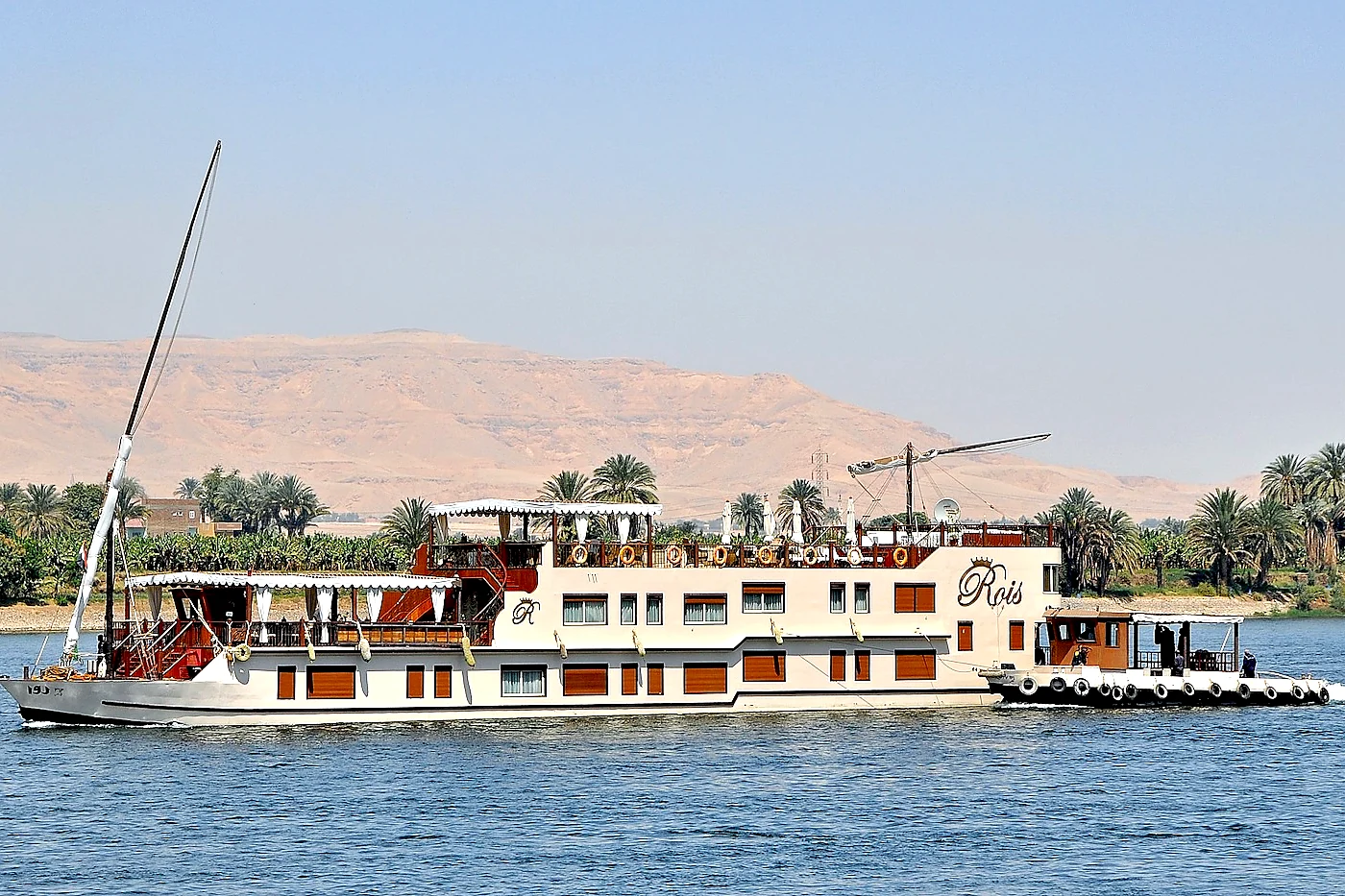
Read MoreThis private Nile Cruise Aswan to Luxor sails downstream, with the current, over three nights and four days — opening with Aswan’s High Dam and Philae Temple, then Kom Ombo’s twin-god temple, Edfu’s best-preserved pylon, and Luxor’s Karnak Temple, Luxor Temple and the Valley of the Kings. Cabin, guide and full board are arranged as one booking rather than pieced together after arrival, and the same Egyptologist accompanies you off the ship at every stop from Philae to the Valley of the Kings. Abu Simbel, a hot-air balloon flight over Luxor and the Karnak Sound and Light Show are available to add before you board, priced upfront rather than sold to you mid-cruise.
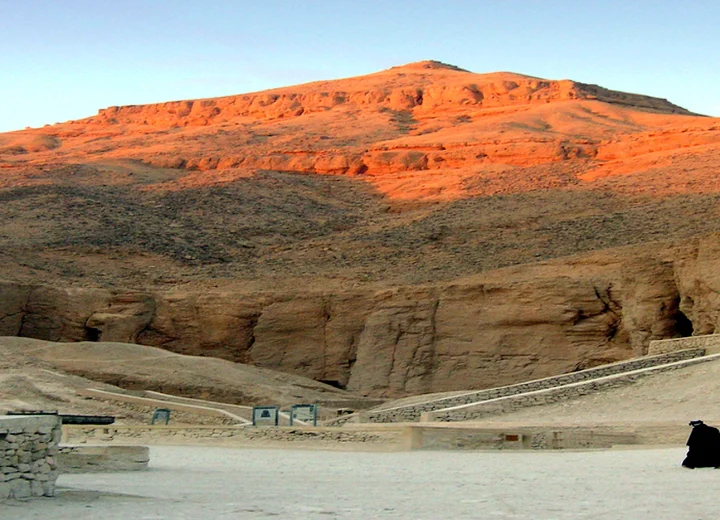
Your guide meets you in Aswan and the day opens with two sites that frame the city's modern and ancient story: the High Dam, completed in 1970, which created Lake Nasser and forced the international rescue of Abu Simbel and Philae, both moved stone by stone to safety; and the granite quarries nearby, where the Unfinished Obelisk still lies half-cut from the bedrock — it would have been the largest single piece of stone ever quarried in Egypt had a crack not stopped the work, and the tool marks are still visible in the rock today.
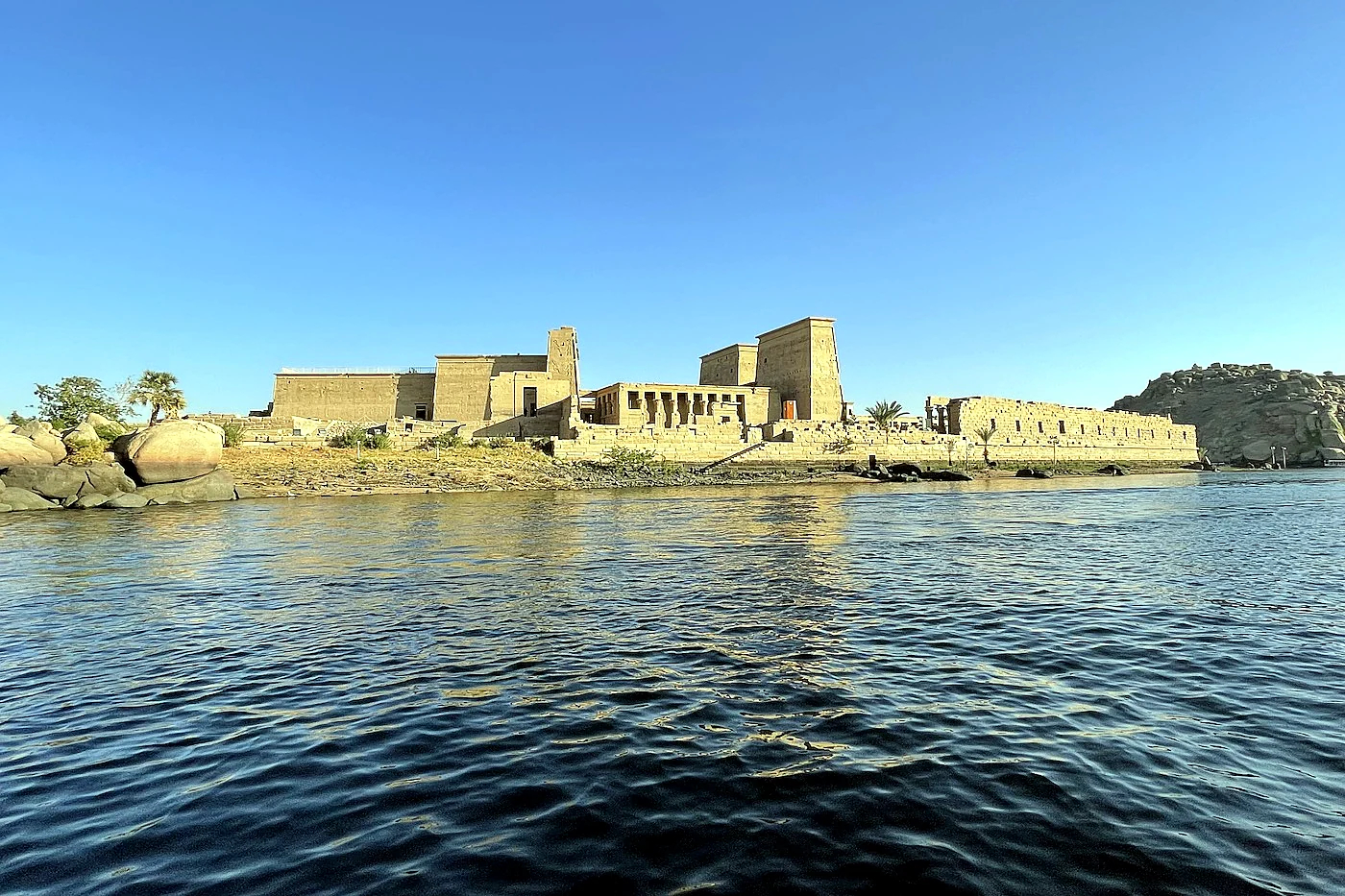
You board your Nile cruise ship and have lunch on board as it settles into the mooring, then cross by motorboat to Agilkia Island for Philae Temple. Philae's colonnaded courts were dedicated to Isis into the Roman period, centuries after most of Egypt had converted to other cults — one of the last places in the ancient world where the old religion was still openly practiced, and the whole complex stands here today only because it was relocated stone by stone when the dam's waters rose. You have dinner on board and spend the night moored in Aswan.
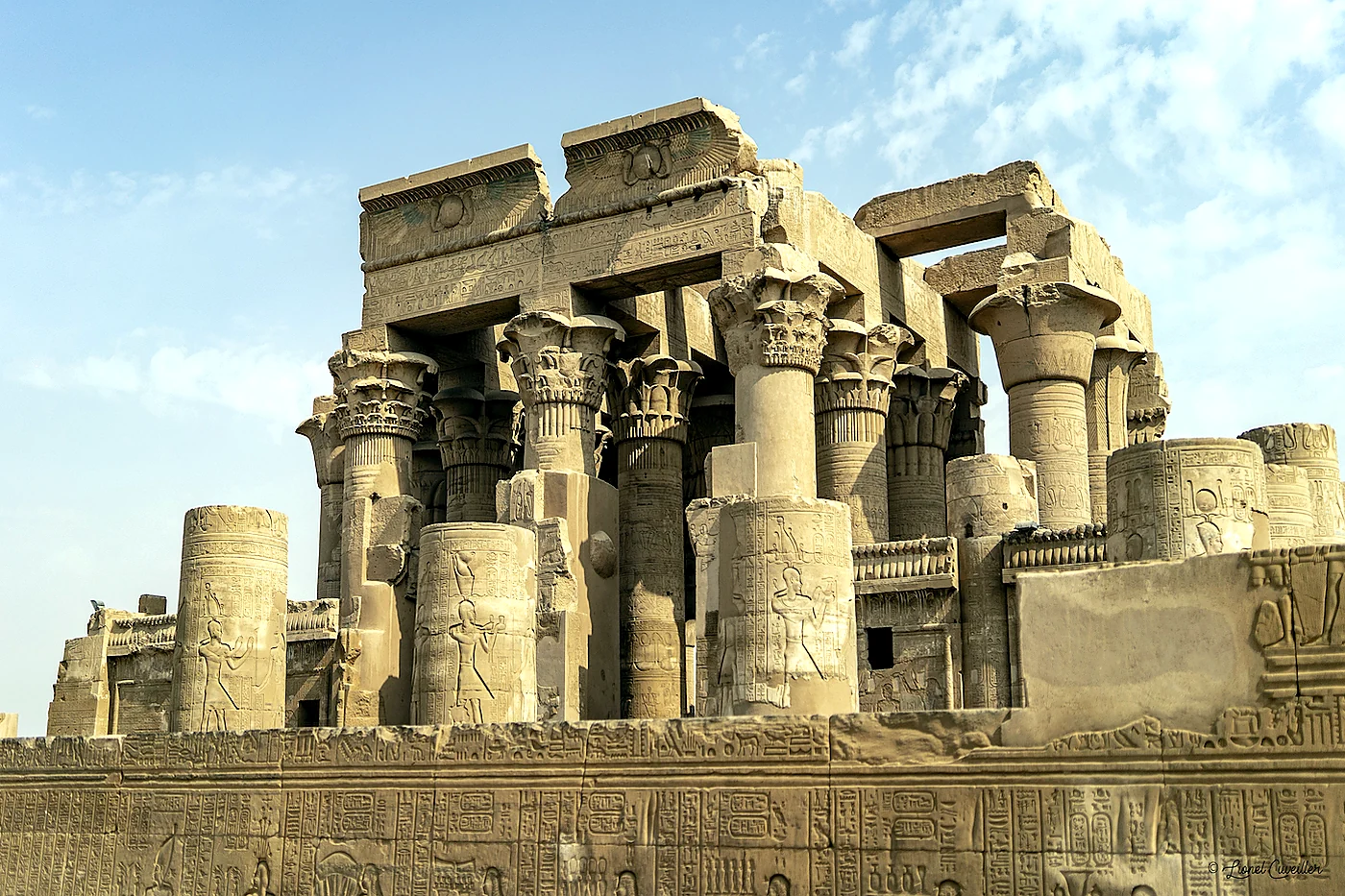
You have a free morning in Aswan — browse the market, or add the optional flight to Abu Simbel before the ship departs (see Add-ons below). You have lunch on board as the ship sails north, docking at Kom Ombo in the afternoon. Kom Ombo is unique among Egyptian temples for its double dedication — one half to the crocodile god Sobek, the other to the falcon god Horus, with matching entrances, halls and sanctuaries running as mirrored pairs down the same building, a design found nowhere else on the Nile. You have tea on the sun deck as the ship continues toward Edfu, dinner on board, and stay the night moored near Edfu.
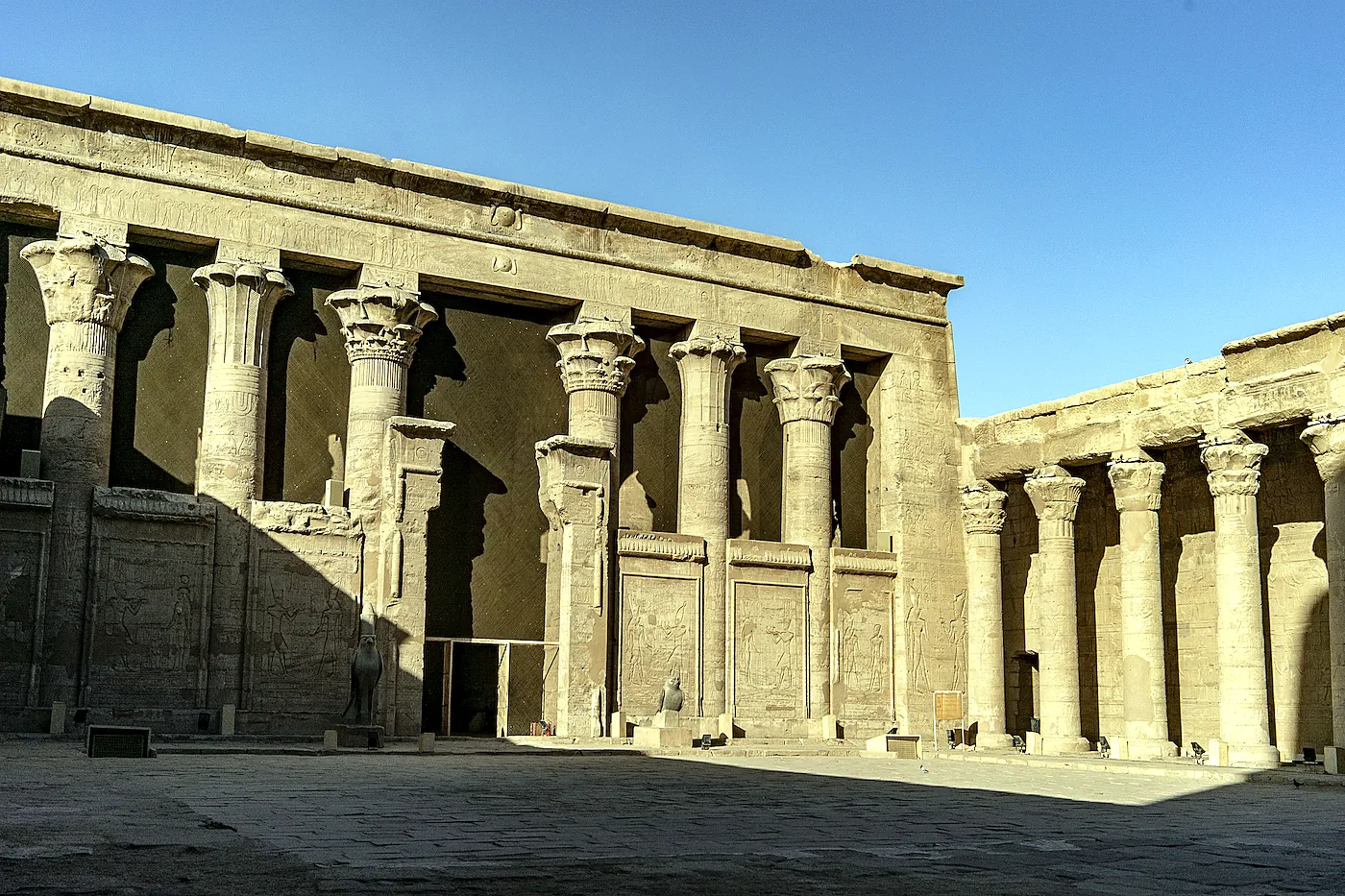
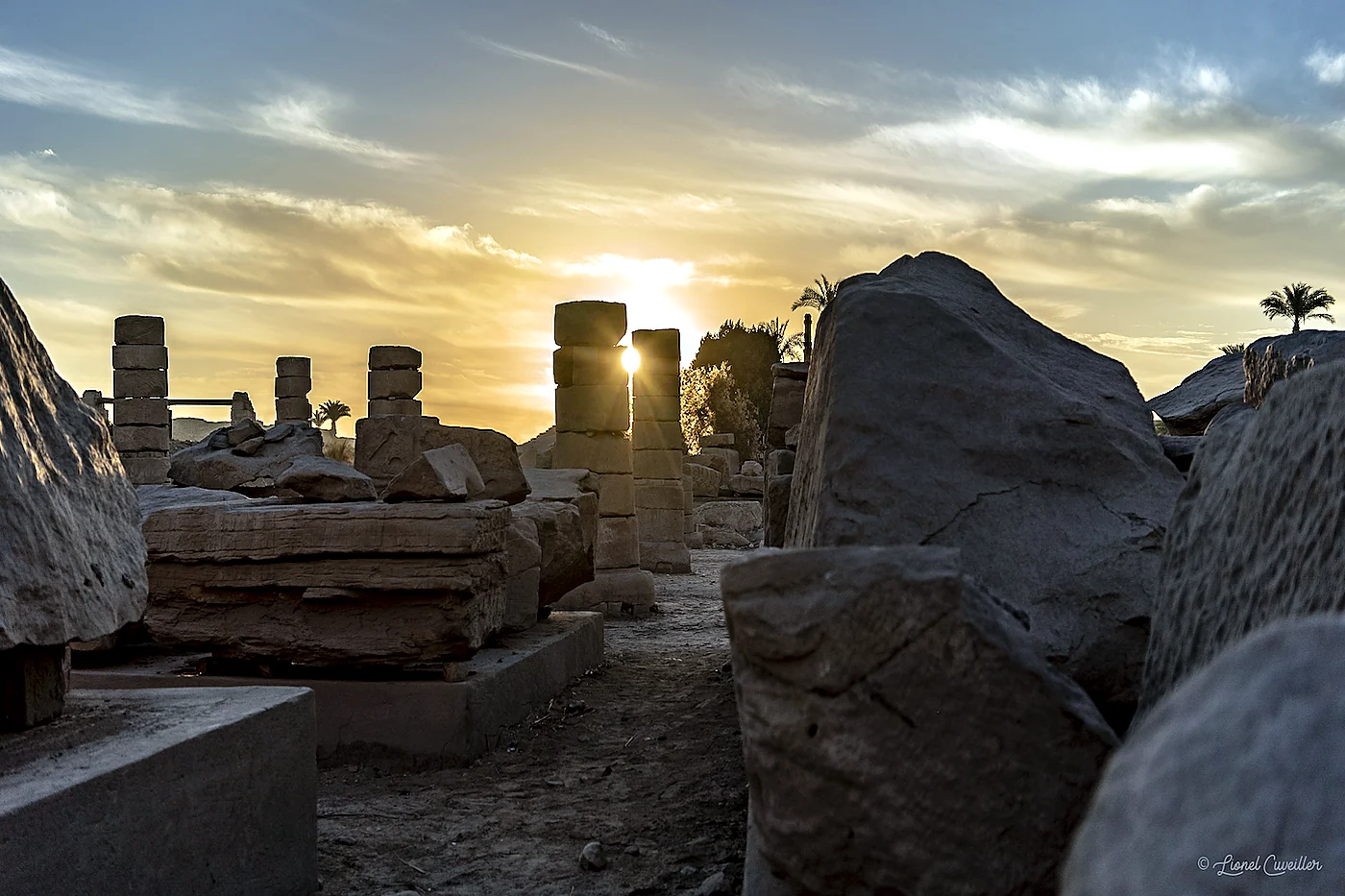
In the morning you travel by horse-drawn carriage from the dock to the Temple of Horus at Edfu, Egypt's best-preserved temple — its roof and outer walls survived intact because it stood buried under desert sand until the 19th century, and its inscriptions record the temple's own founding myth and construction in more detail than any other surviving building from ancient Egypt. You return to the ship for breakfast, then sail on through Esna, reaching Luxor by evening. You visit Karnak Temple, built up over nearly two thousand years by successive pharaohs until its hypostyle hall alone held 134 columns — the largest wide enough that five people still can't link hands around it — and Luxor Temple, once connected to Karnak by a two-mile avenue of sphinxes now excavated and walkable again. You have dinner on board and stay the night in Luxor.
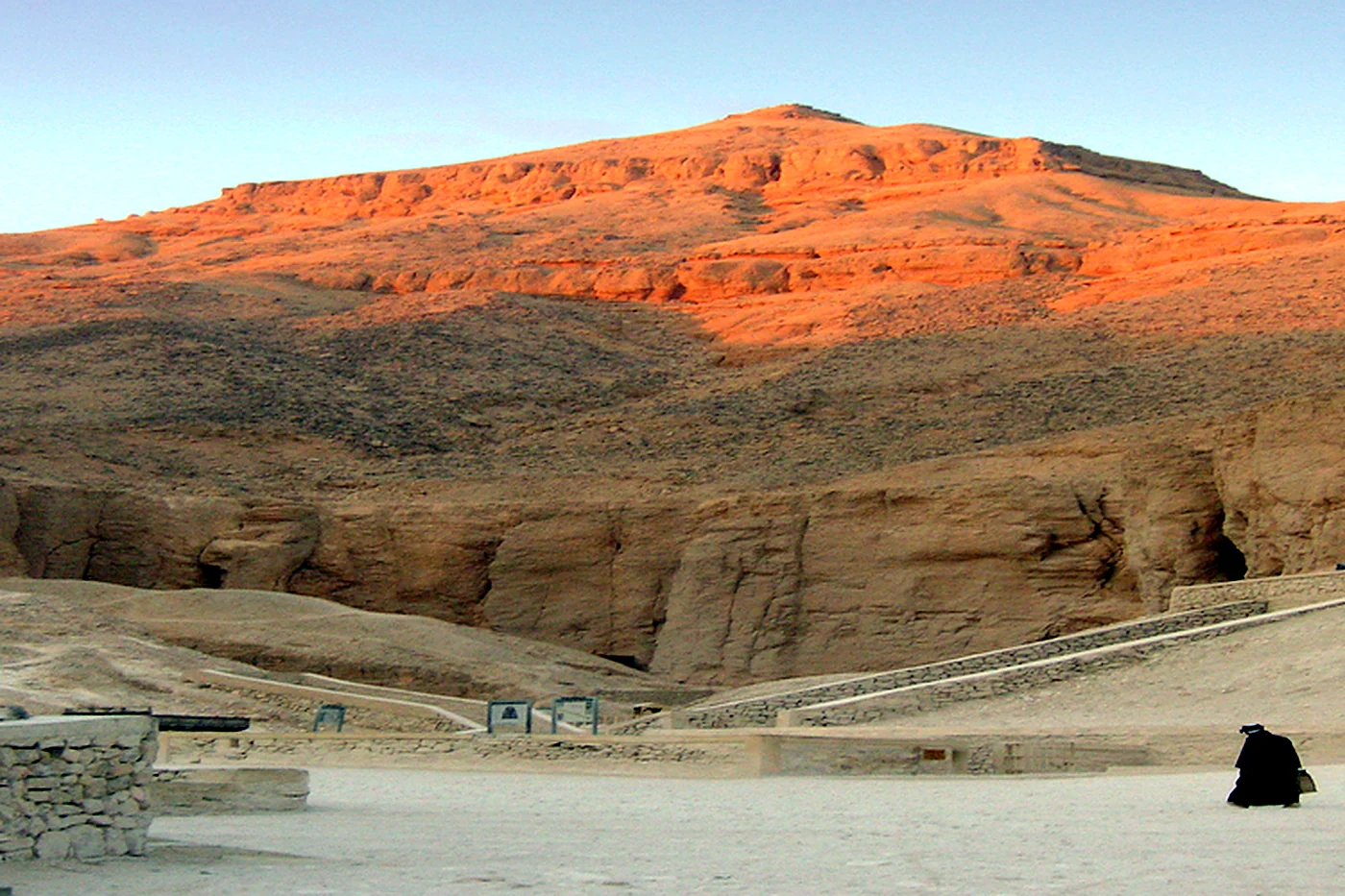
After breakfast you disembark and cross to the West Bank for the Valley of the Kings, where New Kingdom pharaohs were buried in tombs cut deep into the hillside, then Hatshepsut's cliffside temple and a stop at the Colossi of Memnon. Your guide sees you off afterward — to the airport, the train station or your next hotel — and the cruise ends here.
Cabin, guiding and sightseeing are arranged together before you travel, instead of piecing together a cruise line, a shore-excursion company and a guide separately.
The same Egyptologist accompanies you off the ship at every stop — Philae, Kom Ombo, Edfu, Karnak — rather than handing you to a different local guide at each temple.
Abu Simbel, the balloon flight and the Sound and Light Show are priced and confirmed before you board, not pitched to you mid-cruise.
Drinks, tips and the optional excursions are flagged upfront, so the fare you're quoted is the fare you pay for the core itinerary.
Message us directly if a stop needs to shift for weather or opening hours — you're not waiting on a ship's shore-excursion desk.
Three nights and four days, sailing downstream from Aswan to Luxor. Exact boarding time on Day 1 is confirmed at booking.
Your cabin for 3 nights, full board (breakfast, lunch and dinner daily, breakfast only on the final day), and guided sightseeing at the High Dam, Unfinished Obelisk, Philae Temple, Kom Ombo, Edfu, Karnak Temple, Luxor Temple, the Valley of the Kings, Hatshepsut's Temple and the Colossi of Memnon. Drinks, tips and optional excursions are separate.
Yes — all three are available as paid add-ons, along with a Nubian village visit, confirmed and priced before you board rather than sold to you on the ship.
Your cabin and guide are private, but the ship itself carries other passengers, as on any standard Nile cruise — this isn't a chartered vessel.
It starts in Aswan on Day 1 and ends in Luxor on Day 4, where your guide arranges your onward transfer to the airport, train station or hotel.
Your Aswan pickup point, cabin category, which optional excursions you want, and any dietary requirements for the onboard meals.
A private Valley of the Nobles Luxor tour with an Egyptologist guide: painted noble tombs, Deir el-Medina and Medinet Habu in about four hours.
Read More
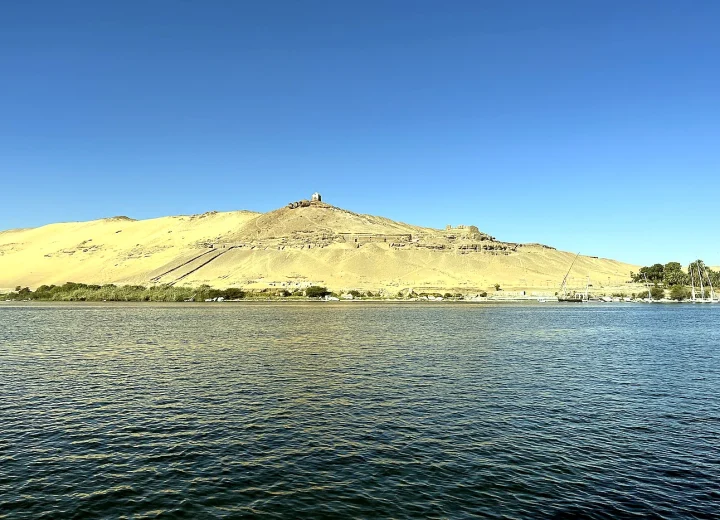
A private Valley of the Kings tour: step inside three open tombs, then Hatshepsut's cliffside temple — paced for you, not a group.
Read More
Cross the Nile by motorboat to the rock-cut Tombs of the Nobles and the ruined desert monastery of St Simeon — a quieter, private side of Aswan.
Check Availability