Skip to main content


Christmas in Egypt brings together ancient Christian heritage, religious symbolism, and modern festive decorations. From the Coptic cross and traditional nativity icons to illuminated Christmas trees and the Star of Bethlehem, Egypt Christmas symbols reflect a distinctive combination of faith, history, and contemporary celebrations.
Egypt Christmas Symbols at a Glance
- Coptic Christmas: January 7, after a 43-day Nativity Fast.
- Core religious symbols: the Coptic cross, Nativity icons, the Star of Bethlehem, candles and incense.
- Modern festive touches: Christmas trees, lights and Baba Noël, mostly in hotels and city centres.
- Egyptian-themed souvenirs: ankhs, scarabs and pyramids are decorative, not Coptic religious symbols.
Unlike countries where Christmas is celebrated primarily on December 25, Egypt has an additional major Christmas celebration on January 7, when the Coptic Orthodox Church observes the Feast of the Nativity.

For visitors, understanding these symbols offers a fascinating introduction to Egyptian Christian culture. Some decorations are deeply religious, others belong to international Christmas traditions, and a few incorporate designs inspired by ancient Egypt.
This guide explores the meaning of Egyptian Christmas symbols, their cultural origins, and where travelers can experience these traditions.
Why Christmas Symbols in Egypt Are Different
Egypt is home to one of Christianity’s oldest communities. The Coptic Orthodox Church preserves distinctive liturgical traditions, religious art, and a calendar that shapes the country’s Christmas observances.
The Coptic Orthodox Church celebrates the Nativity on 29 Kiahk in the Coptic calendar, ordinarily corresponding to January 7 in the modern Gregorian calendar. The feast follows a 43-day period of fasting.
Christmas symbolism in Egypt can be understood through three broad traditions:
Religious symbols
The Coptic cross, images of Christ, nativity scenes, candles, and church icons.
Modern festive decorations
Christmas trees, stars, lights, Santa Claus figures, and gifts.
Egyptian-inspired ornaments
Decorative pyramids, ankhs, scarabs, and other motifs reflecting the country’s historical identity.
These categories are important because not every Egyptian-themed Christmas decoration is a traditional Coptic religious symbol.
The Most Important Egypt Christmas Symbols and Their Meanings
Four Symbols to Look For in Egypt’s Churches
Each one carries a layer of faith, history and hospitality that you can recognise on a visit.
The Coptic Cross — Faith and Christian Identity
The Coptic cross is among the most recognizable symbols of Egyptian Christianity. Its forms vary across church architecture, manuscripts, textiles, and religious artwork.
At Christmas, the cross expresses Christian faith in Jesus Christ and connects the celebration of his birth with the wider Christian understanding of salvation.
Visitors may encounter crosses on church doors, icons, altar furnishings, and devotional objects.
Nativity Icons — The Birth of Jesus
Nativity imagery is central to Coptic Christmas symbolism.
Traditional Christian representations of the Nativity depict the infant Jesus, the Virgin Mary, Joseph, angels, shepherds, and other figures associated with the biblical accounts.
In Coptic churches, sacred icons are devotional images, not simply seasonal decorations. Their importance extends beyond Christmas.
The Star of Bethlehem — Divine Guidance
The Star of Bethlehem refers to the star described in the Gospel of Matthew, which guided the Magi toward Jesus.
In Egypt, as elsewhere, star-shaped decorations may appear above Christmas trees or in festive displays.
Its Christian symbolism concerns guidance, revelation, and the recognition of Christ’s birth. It is not an ancient Egyptian astronomical symbol.
Candles and Incense — Prayer and Sacred Worship
Candles and incense are important features of Coptic Orthodox worship.
Light is commonly associated with Christian teachings about Christ, while incense accompanies prayer and the liturgy.
During Christmas services, these elements contribute to the religious atmosphere, alongside hymns, readings, and the celebration of the Eucharist.
Want to see these traditions in context? Compare them with our guides to Egypt Christmas customs and Coptic Christmas traditions.
Egyptian Christmas Decorations: Traditional and Modern Symbols
Christmas decorations in Egypt vary considerably between churches, private homes, hotels, and shopping districts.
A Coptic family observing the Nativity may place greater emphasis on church attendance and family celebrations, while commercial spaces may feature illuminated trees, large Santa displays, and familiar international holiday imagery.

Christmas Trees in Egypt
Christmas trees are familiar decorations in Egyptian urban and tourist settings, particularly during December and early January.
They are not an ancient Coptic religious tradition. Rather, they belong to the broader international Christmas culture that has become visible in Egypt.
Decorations may include glass baubles, ribbons, bells, illuminated stars, and string lights.
Baba Noël — The Egyptian Santa Claus
Baba Noël, literally Father Christmas, is the name commonly used for Santa Claus in Egypt.
This figure appears in commercial Christmas decorations, gift displays, and seasonal celebrations. The familiar red suit, white beard, and gift-giving imagery resemble international Santa Claus traditions.
Baba Noël is primarily a modern cultural figure rather than a traditional symbol of Coptic Orthodox worship.
The Ankh, Scarab, and Pyramid Ornaments
Some Egyptian-inspired Christmas souvenirs incorporate recognizable ancient Egyptian motifs.
| Egyptian motif | Historical association | Christmas use |
|---|---|---|
| Ankh | Life in ancient Egyptian symbolism | Decorative ornaments and souvenirs |
| Scarab | Renewal and transformation in ancient Egyptian religious symbolism | Themed festive ornaments |
| Pyramids | Ancient Egyptian royal monuments | Egyptian-themed tree decorations |
| Hieroglyphs | Ancient Egyptian writing system | Decorative inscriptions or patterns |
These designs can make distinctive Egypt-themed holiday gifts, but they should not be described as established religious symbols of Coptic Christmas.
The ankh, for example, originated in ancient Egyptian religion. Although Egyptian Christian art developed within the country’s older visual culture, a modern ankh-shaped Christmas ornament is not equivalent to a traditional Coptic cross.
The Fanoos Lantern: Is It an Egyptian Christmas Symbol?
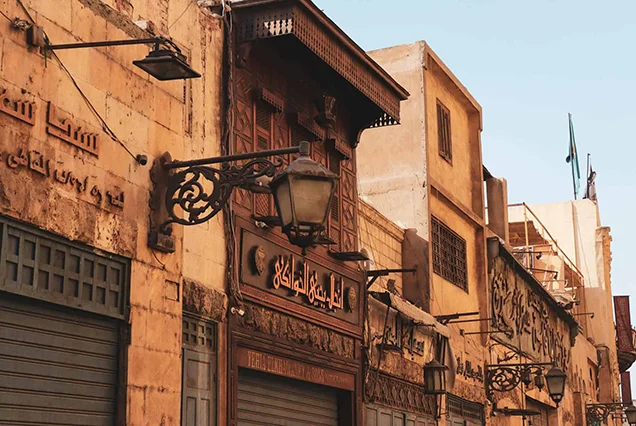
The fanoos is a traditional Egyptian lantern, most strongly associated today with Ramadan.
Its history, however, is more complex than the modern association suggests. A historical account preserved by the medieval Egyptian writer al-Maqrizi describes decorated lanterns being sold during Christian celebrations, including the Nativity. This account is discussed by Egypt’s Ministry of Religious Endowments. وزارة الأوقاف
That historical connection does not make the fanoos a standard modern Coptic Christmas symbol.
For travelers, the distinction illustrates how objects can move between different cultural and religious celebrations over centuries.
Coptic Christmas Traditions and the January 7 Celebration
Understanding Coptic Christmas symbols also means understanding the religious practices surrounding the holiday.
The 43-Day Holy Nativity Fast
Before Christmas, observant Coptic Orthodox Christians undertake the Holy Nativity Fast.
During this period, participants traditionally abstain from meat, dairy products, and other animal-derived foods, according to the Church’s fasting regulations and individual pastoral guidance.
The fast lasts 43 days and represents a period of spiritual preparation through prayer, discipline, and reflection.
Its conclusion makes the Christmas feast especially meaningful for many families.
Coptic Christmas Eve and the Divine Liturgy
On January 6, many Egyptian Christians attend Christmas Eve services that continue into the evening.
The Nativity liturgy includes prayers, hymns, biblical readings, incense, and the Eucharist.
Churches may be illuminated and decorated, but the central purpose of the celebration is religious worship rather than festive entertainment.
Visitors interested in attending a Coptic Christmas service should contact the church beforehand to confirm its schedule and visitor arrangements.
Traditional Egyptian Christmas Food
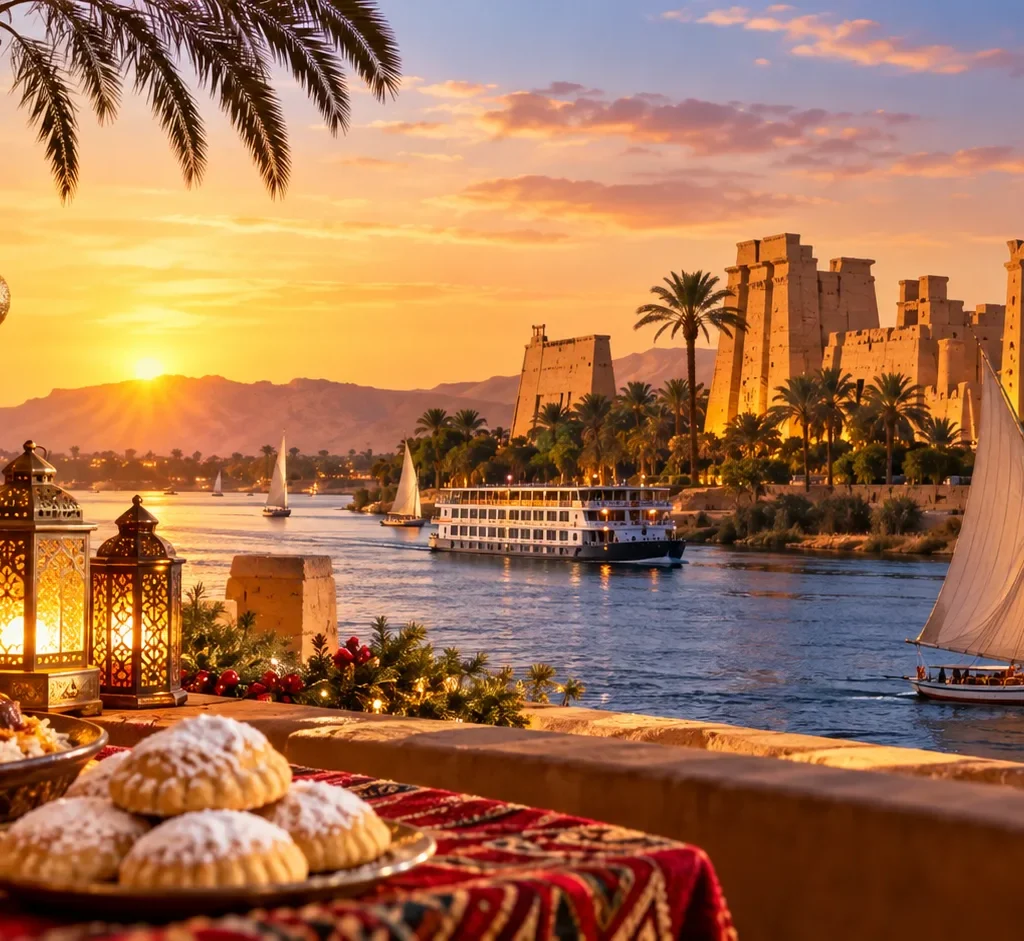
Following the Nativity Fast, families traditionally celebrate with special meals.
One particularly recognizable dish is Egyptian fattah, prepared with layers of bread, rice, meat, and a flavorful garlic-based sauce.
Other family Christmas meals may include roasted poultry, vegetables, pastries, and regional specialties. Customs differ between households, and there is no single mandatory Egyptian Christmas menu.
The shared meal represents family reunion, hospitality, and the joyful end of the fasting period.
For more festive dishes, read our guide to Egypt Christmas food and the Egyptian greetings in what Egypt calls Christmas.
Where Can Travelers Experience Christmas Traditions in Egypt?
For international visitors, Christmas provides an opportunity to discover a living aspect of Egyptian culture beyond the country’s ancient monuments.
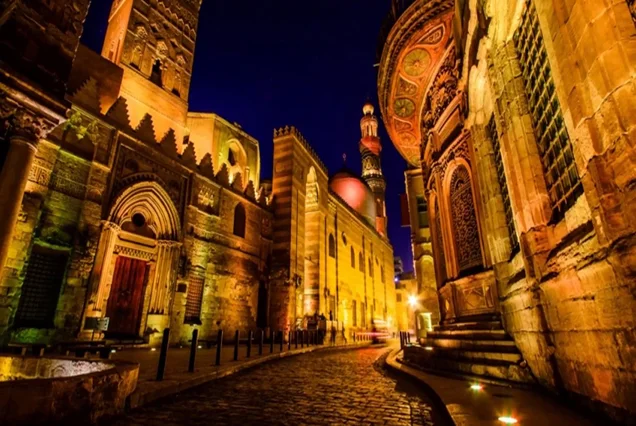
Old Cairo
Historic Coptic churches offer an introduction to Egyptian Christian architecture, icons, crosses, and religious traditions.
The Hanging Church and other churches in the Coptic Cairo district are particularly relevant for visitors interested in Christian heritage.
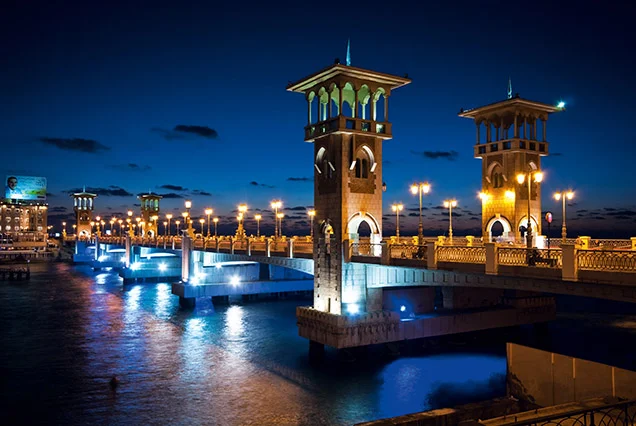
Alexandria
Alexandria has a significant place in the history of Egyptian Christianity and the Coptic Orthodox Church.
Historic churches and religious sites help visitors understand the city’s long Christian heritage.
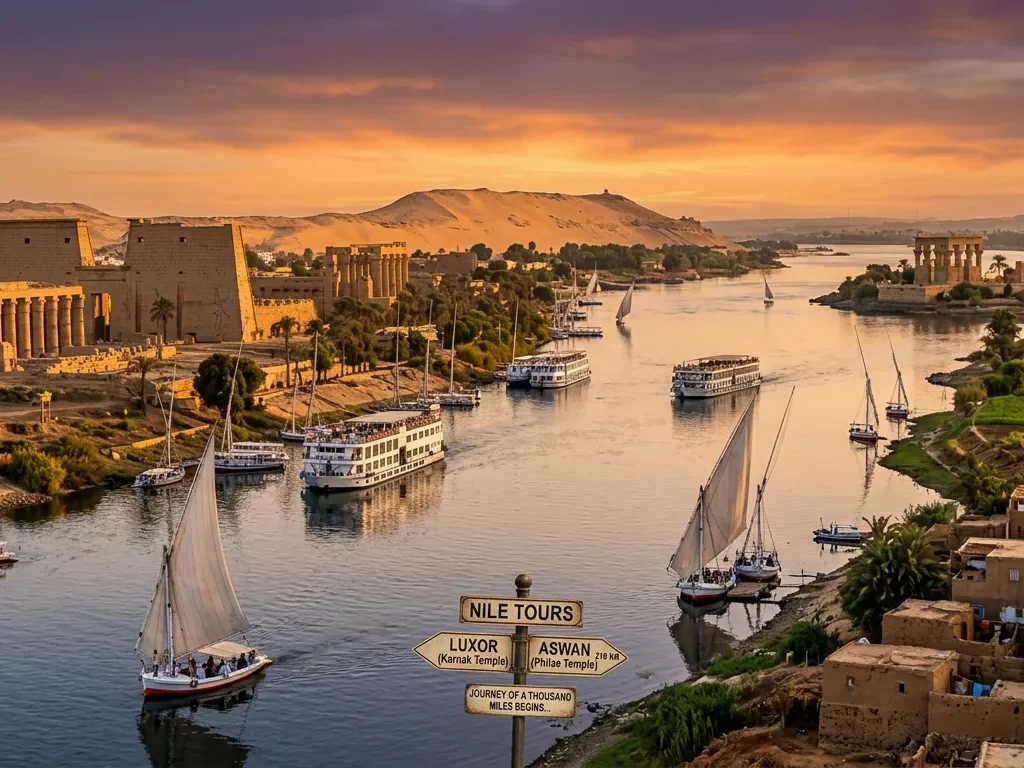
Luxor and Upper Egypt
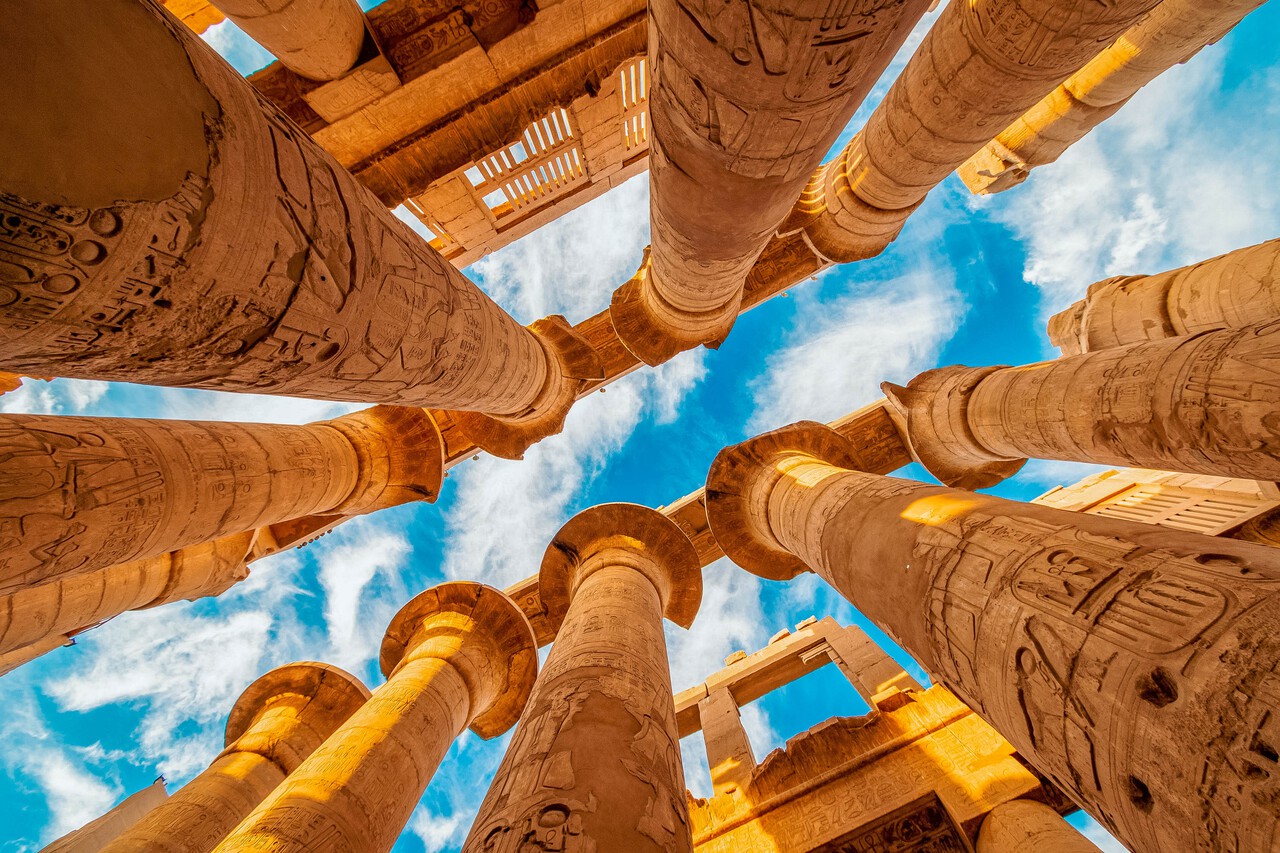
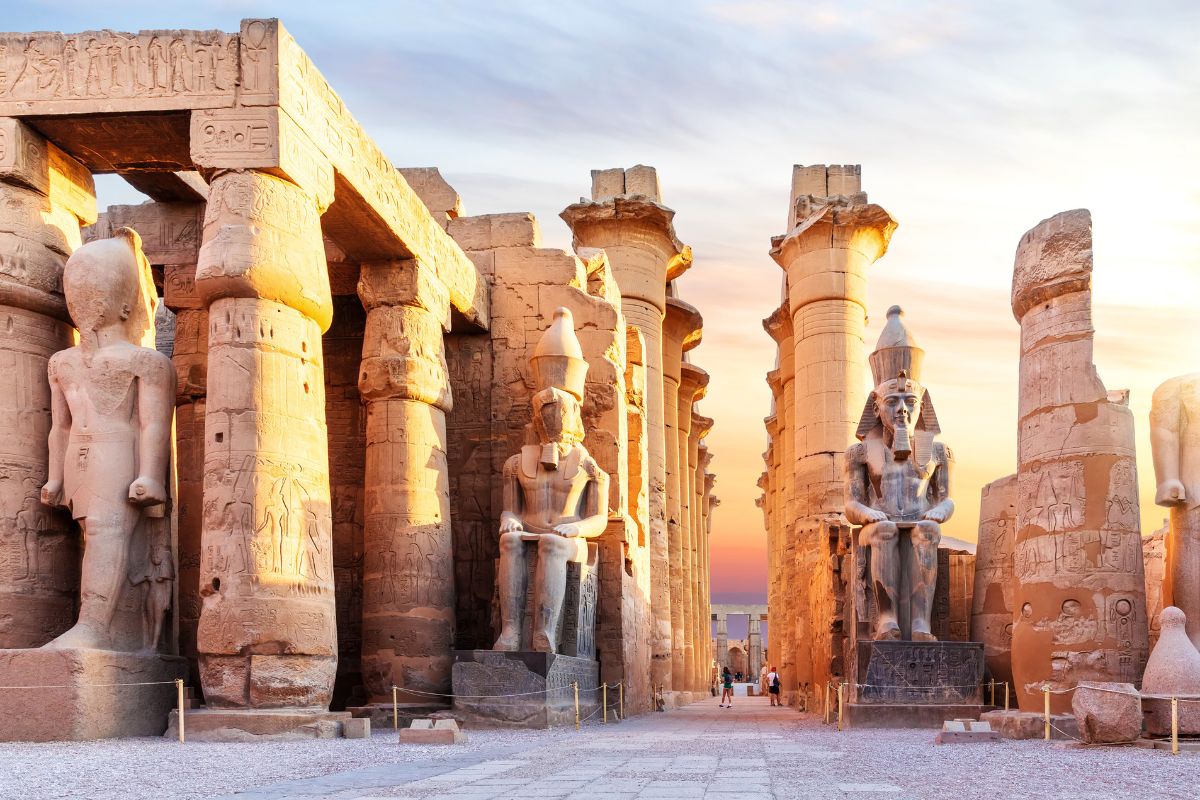
Beyond its famous ancient temples, Upper Egypt also has living Christian communities and a longstanding Coptic religious heritage.
Visitors should distinguish between ancient Egyptian religious imagery and the separate traditions of Coptic Christianity.
If you are planning a wider cultural journey, provides information about exploring Egypt’s historical destinations.
Practical Tips for Visiting Egypt at Christmas
Travelers coming from the United States, United Kingdom, Canada, Australia, and Europe should remember that Egypt’s Christmas season can encompass both December 25 and January 7.
| Date | Significance for travelers |
|---|---|
| December 25 | Christmas celebrated by several Christian denominations and reflected in international festive settings |
| December 31 | New Year’s Eve celebrations in hotels and other participating venues |
| January 6 | Coptic Orthodox Christmas Eve services |
| January 7 | Coptic Orthodox Christmas and a national public holiday |
December 25 and January 7 are distinct religious observances, rather than two dates on which every Egyptian Christian celebrates Christmas.
Church Visiting Etiquette
When visiting churches, dress respectfully, remain quiet during prayers, and ask permission before photographing worshippers. Religious services should be approached as acts of worship rather than tourist performances.
Travelers should also check holiday opening hours and transportation arrangements directly, since schedules can change.



Planning a longer stay? Combine Christmas with a New Year Nile cruise, browse Egypt Christmas tours, or read 15 Egypt Christmas facts before you travel.

Plan Your Egypt Holiday With Egypt Luxury Trips
Tell us when you travel and what you would like to see. We design private journeys around Cairo, Luxor and Aswan.
Send Us Your Enquiry
Share your dates and interests and our team will reply with a tailored itinerary.
What Travelers Say About Egypt Luxury Trips


Frequently Asked Questions About Egypt Christmas Symbols
Important symbols include the Coptic cross, Nativity icons, the Star of Bethlehem, candles, and religious imagery associated with the birth of Jesus. Modern Christmas trees and Santa Claus decorations are also familiar.
The date follows the Coptic Church’s traditional liturgical calendar, under which the Nativity is celebrated on 29 Kiahk, ordinarily corresponding to January 7.
It expresses Christian faith and connects the celebration of Christ’s birth to the wider Christian understanding of his life and salvation.
No. The ankh is originally an ancient Egyptian symbol associated with life. It may appear on modern Egyptian-themed Christmas ornaments but is not a standard symbol of Coptic Christmas worship.
Depending on the household, decorations may include Christmas trees, lights, stars, ornaments, and nativity displays. Religious observance and family meals may be more important than elaborate decorations.
The fanoos is predominantly associated with Ramadan today. Historical accounts also connect decorated lanterns with Christian festivities, but this does not make it a universal modern Coptic Christmas decoration.
Yes. Christmas trees appear in some Christian homes and in various hotels, shopping centers, restaurants, and public-facing commercial spaces.
Nativity imagery represents the birth of Jesus and helps communicate the Christian meaning of Christmas. It appears in religious art and some seasonal displays.
It is a 43-day period of spiritual preparation observed by the Coptic Orthodox Church before Christmas, involving fasting and prayer.
Worshippers participate in the Nativity liturgy, which features hymns, prayers, scriptural readings, incense, and the Eucharist.
Baba Noël is the Egyptian name for Father Christmas or Santa Claus, associated with modern festive decorations and gift-giving.
Egyptian fattah is a well-known traditional option. Families may also prepare meat, poultry, pastries, and other celebratory dishes.
A common greeting is Eid Milad Magid (عيد ميلاد مجيد), meaning Glorious Christmas or Glorious Feast of the Nativity. Egyptians also use Kol Sana Wenta Tayeb (كل سنة وأنت طيب), a general holiday greeting.
Different Christian communities celebrate Christmas on different dates. December 25 and January 7 are both observed in Egypt, although the Coptic Orthodox celebration is especially prominent on January 7.
Egyptian-themed souvenir ornaments may feature pyramids, scarabs, ankhs, hieroglyphs, or pharaonic figures. These are decorative cultural references rather than traditional religious symbols of Christmas.
Conclusion: Understanding the True Meaning of Christmas Symbols in Egypt
Egypt Christmas symbols reveal more than seasonal decorations. They reflect a Christian religious heritage that has developed over centuries, alongside contemporary festive customs and the country’s wider cultural identity.
The Coptic cross, Nativity icons, candles, and Christmas liturgy express the religious meaning of the celebration. Christmas trees, Baba Noël, and other modern ornaments reflect the influence of international holiday culture. Ancient Egyptian-inspired decorations add a recognizable local character without necessarily carrying a traditional Christian meaning.
For travelers, understanding these distinctions makes Christmas in Egypt more rewarding. It allows you to appreciate the country’s churches, cultural traditions, and festive atmosphere with greater historical awareness.
To explore Egypt’s ancient monuments and cultural destinations as part of a broader holiday, visit and use the enquiry options to discuss a journey that matches your interests.