Skip to main content



What does Egypt call Christmas? In Egypt, Christmas is commonly known as Eid al-Milad (عيد الميلاد), meaning the Feast of the Nativity, while the fuller religious expression is Eid al-Milad al-Majid (عيد الميلاد المجيد), or the Glorious Feast of the Nativity. Egyptians also use the phrase Eid Milad Majid to wish someone a Merry Christmas.
But Christmas in Egypt has another distinctive feature: while many Christians worldwide celebrate on December 25, most Egyptian Coptic Orthodox Christians observe Christmas on January 7, with religious celebrations beginning on the evening of January 6.
For travelers visiting Cairo, Luxor, Aswan, or other Egyptian destinations during the festive season, understanding these names and dates reveals an important part of Egypt’s living Christian heritage.
Quick answer: Egyptians call Christmas Eid al-Milad (عيد الميلاد), the Feast of the Nativity. Most Coptic Orthodox Christians celebrate it on January 7.
This guide explains what Egyptians call Christmas, how to say Merry Christmas in Egyptian Arabic, why Coptic Christmas falls in January, and how families and churches celebrate this religious holiday.

What Is Christmas Called in Egypt?
The most common Arabic name for Christmas is Eid al-Milad, written عيد الميلاد. The term refers to the celebration of the birth of Jesus Christ.
A more complete expression is Eid al-Milad al-Majid, which is widely associated with the Coptic Orthodox celebration.
Arabic pronunciation and English transliteration can vary, so visitors might encounter several spellings, including Eid el-Milad, Eid al-Milad, or Eid Milad Magid.
Here is a useful comparison of Egyptian Christmas terminology.
| Arabic term | English pronunciation | Meaning |
|---|---|---|
| عيد الميلاد | Eid al-Milad | Feast of the Nativity or Christmas |
| عيد الميلاد المجيد | Eid al-Milad al-Majid | Glorious Feast of the Nativity |
| عيد ميلاد مجيد | Eid Milad Majid | Merry Christmas |
| كل سنة وأنت طيب | Kol sana wenta tayeb | A common festive greeting meaning roughly “Wishing you well every year” |
| عيد الميلاد القبطي | Eid al-Milad al-Qibti | Coptic Christmas |
The words Eid and Milad are especially important. Eid means feast or festival, while Milad refers to birth. Together, they identify Christmas as the celebration of Christ’s Nativity.
In everyday conversation, Egyptians may simply say Eid al-Milad when discussing the holiday, without specifying whether they mean the December or January observance.
How Do You Say Merry Christmas in Egyptian Arabic?
If you are visiting Egypt during Christmas, learning a few Arabic greetings can make conversations with local residents more meaningful.
The standard expression is:
MERRY CHRISTMAS IN EGYPTIAN ARABIC
عيد ميلاد مجيد
Eid Milad Majid
Pronounced approximately: Eed Mee-lad Ma-geed
This greeting is used by Egyptian Christians and is understood more broadly as a Christmas greeting. An Egyptian Arabic learning resource also documents this phrase as the equivalent of Merry Christmas. ArabicPod101
Another common expression is Kol sana wenta tayeb (كل سنة وأنت طيب) when addressing a man, or Kol sana wenti tayeba (كل سنة وأنتِ طيبة) when addressing a woman.
Unlike Eid Milad Majid, this expression is not exclusive to Christmas. Egyptians use it for birthdays, religious holidays, and other celebrations.
If someone wishes you Eid Milad Majid, you can simply reply with the same greeting.
When Is Christmas Celebrated in Egypt?
Egypt has two prominent Christmas dates associated with different Christian traditions.
DECEMBER
25
Western Christmas
Observed by Catholic, Protestant, and other communities following this date.
JANUARY
7
Coptic Christmas
The principal Christmas celebration of Egypt’s Coptic Orthodox Church.
January 7 is the officially recognized Christmas public holiday in Egypt. Presidency of Egypt
December 25 is familiar to international travelers because it is widely celebrated in Western countries. In Egypt, some Christian denominations observe Christmas on this date, and seasonal decorations may appear in hotels, shopping centers, and commercial districts.
January 7, however, holds particular religious and national significance because it marks the Coptic Orthodox celebration of the Nativity.
For anyone planning Christmas travel to Egypt, this distinction matters. A December visit may include familiar international holiday activities, while early January offers opportunities to learn about Egyptian Coptic religious traditions.
Want the full picture of the day itself? Read our guide to Egypt Christmas Day or explore more surprising details in Egypt Christmas Facts.
Why Do Coptic Christians Celebrate Christmas on January 7?
The difference between December 25 and January 7 is rooted in historical calendars rather than different beliefs about the importance of Christmas.
The Coptic Orthodox Church follows its traditional ecclesiastical calendar, with the Nativity observed on 29 Kiahk, a date that currently corresponds to January 7 in the Gregorian calendar used for civil purposes.
The difference is closely related to the older Julian calendar, which currently runs 13 days behind the Gregorian calendar.
Consequently, December 25 in the Julian calendar corresponds to January 7 in the Gregorian calendar.
This calendar relationship explains why Coptic Orthodox Christians celebrate Christ’s birth later than many Western churches. The Coptic Orthodox Church identifies the Nativity as one of its major feasts. Coptic Orthodox Church+1
What Is the Coptic Calendar?
The Coptic calendar developed from ancient Egyptian calendrical traditions and remains central to the church’s religious calendar.
It contains 12 months of 30 days each, followed by a short thirteenth month of five or six days.
Religious feasts, fasting periods, and commemorations are organized according to this calendar.
Christmas is celebrated on 29 Kiahk, making the Egyptian Coptic Christmas date part of a calendar tradition with deep historical roots.
How Do Egyptians Celebrate Coptic Christmas?
Christmas in Egypt combines church worship, family gatherings, festive meals, and community traditions.
While customs differ between households and denominations, the Coptic Orthodox celebration is strongly associated with the Nativity Fast, Christmas Eve liturgy, and family meals following the end of fasting.
1. The Coptic Nativity Fast
One of the most distinctive Egyptian Christmas traditions is the 43-day Nativity Fast, also called the Christmas Fast or Advent Fast.
The Coptic Orthodox Church identifies this fasting period as preparation for the Feast of the Nativity. copticchurch.org
During the fast, observant participants generally avoid meat, dairy products, and eggs, although specific dietary practices can vary according to church guidance and individual circumstances.
The fast emphasizes religious preparation, spiritual discipline, prayer, and reflection.
For visitors, this explains why Christmas meals can be particularly important to families who have observed the fasting period.
2. Christmas Eve Church Services
Coptic Christmas Eve is observed on January 6, with evening liturgies leading into the feast on January 7.
Churches gather worshippers for prayers, hymns, biblical readings, and the celebration of the Nativity.
These services represent the religious heart of Egyptian Coptic Christmas.
Rather than being primarily associated with gifts and commercial activities, Christmas is a major occasion of worship and Christian community life.
3. Christmas Family Gatherings
After church services, many Coptic families come together to share a festive meal.
For those who have observed the Nativity Fast, the Christmas celebration also marks the return of foods that were avoided during fasting.
Families may visit relatives, exchange greetings, and spend time together.
The degree of gift-giving and other festive customs varies considerably between families.
4. Christmas Decorations and Public Celebrations
Christmas trees, colorful lights, Santa Claus figures, and seasonal displays can appear in Egypt’s larger hotels, shopping malls, restaurants, and Christian neighborhoods.
In Egypt, Santa Claus is frequently called Baba Noel, reflecting the French expression Père Noël.
However, these commercial and international decorations should not be confused with the religious traditions of the Coptic Orthodox Church.
Both may be visible during the holiday season, but they serve different purposes.
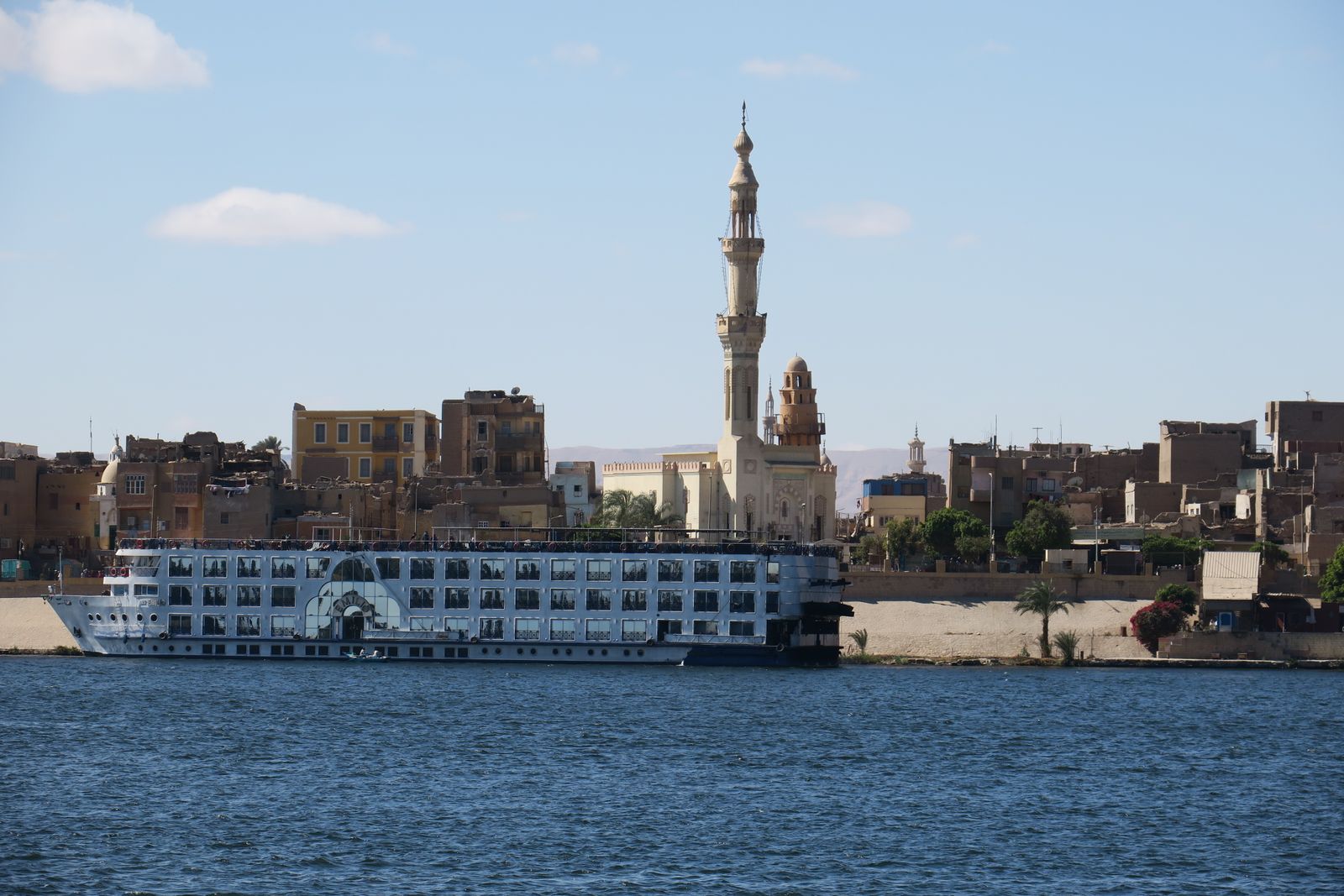
Christmas lights also glow along the river. See more in our Egypt Christmas pictures guide.


Traditional Egyptian Christmas Food
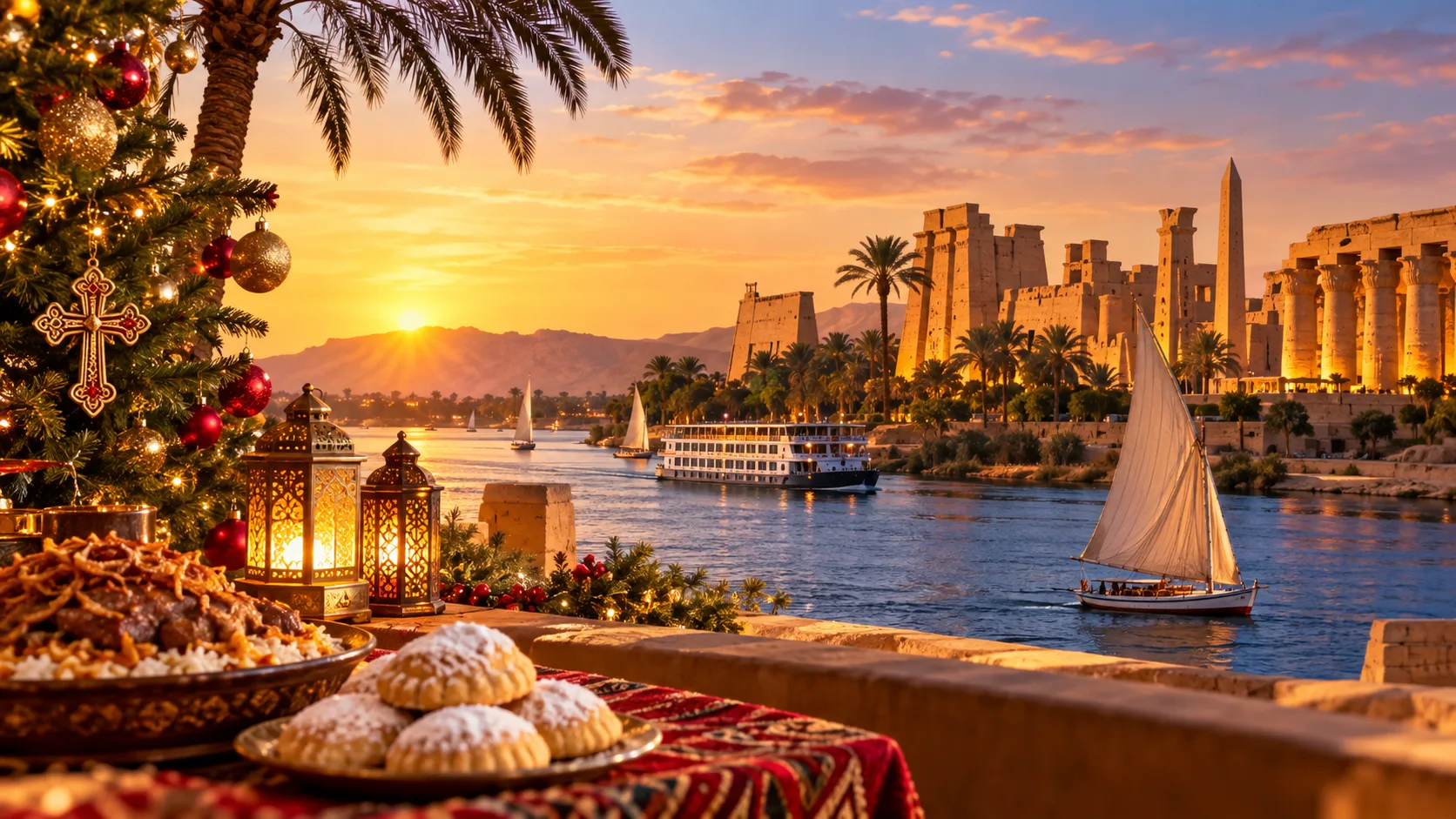
Food is an important aspect of many Egyptian Christmas celebrations, particularly after the Nativity Fast.
Several traditional dishes may appear at family gatherings, depending on household customs and regional preferences.
Fattah
This Egyptian dish typically combines rice, pieces of bread, a garlic-and-vinegar flavored sauce, and meat. It is associated with major family feasts and celebrations, including Christmas meals in some households.
Roasted or cooked meat
Meat dishes may be prepared for the first festive meal following the fasting period.
Kahk
These traditional Egyptian biscuits or cookies, often dusted with powdered sugar, are especially associated with Eid al-Fitr but may also appear at other family celebrations. They are not unique to Coptic Christmas.
Homemade pastries and sweets
Families may prepare desserts and baked goods according to their own traditions.
Unlike countries with one dominant Christmas dinner tradition, Egyptian festive meals vary from family to family.
For travelers interested in Egyptian culinary culture, the Christmas season provides an opportunity to understand how food, faith, and family traditions intersect.
For recipes and festive meal ideas, see our guide to Egypt Christmas food.
Where Can Travelers Experience Christmas Traditions in Egypt?
Egypt’s Christmas celebrations are particularly meaningful in places with established Christian communities, historic churches, and active Coptic religious traditions.
Coptic Cairo: A Center of Christian Heritage
Coptic Cairo, within Old Cairo, is among the most significant areas for visitors interested in Egypt’s Christian history.
Its historic religious landmarks include:
- The Hanging Church, also called the Church of the Virgin Mary.
- The Church of Saints Sergius and Bacchus, commonly known as Abu Serga.
- The Coptic Museum, which preserves important examples of Egypt’s Christian artistic and cultural heritage.
These landmarks help visitors understand the historical development of Christianity in Egypt.
However, not every historic church holds publicly accessible Christmas services, and arrangements may change. Travelers wishing to attend a liturgy should contact the church directly and confirm visitor access beforehand.
Christmas in Luxor and Aswan

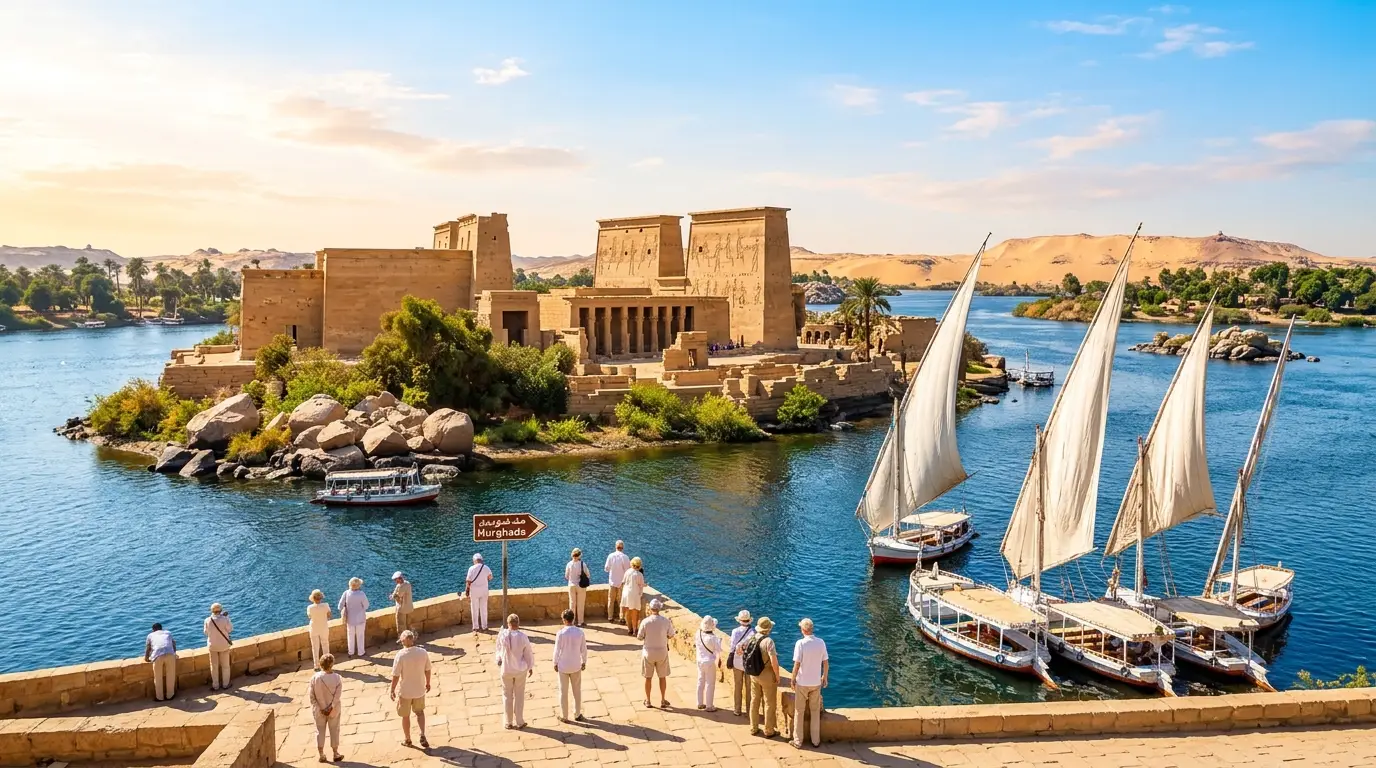
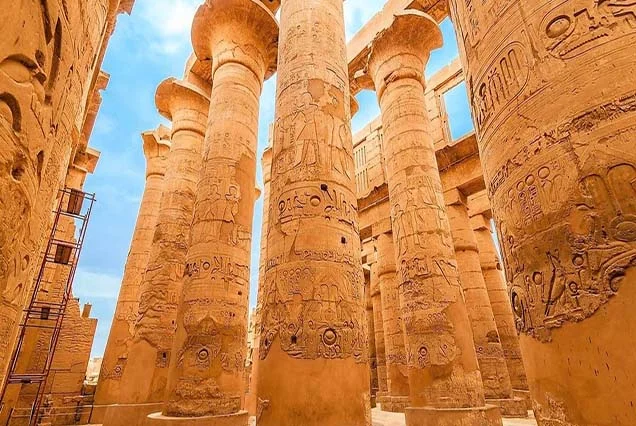
Luxor and Aswan are best known internationally for their ancient Egyptian temples, Nile landscapes, and archaeological sites. Yet both cities are also home to contemporary Christian communities.
Travelers visiting Upper Egypt during January may encounter Christmas greetings, church celebrations, and family gatherings.
The holiday also provides an opportunity to appreciate Egypt beyond its pharaonic monuments, discovering a country shaped by centuries of religious and cultural continuity.
For visitors interested in combining Egyptian cultural discoveries with historical sightseeing, Egypt Luxury Trips offers an opportunity to explore available Egyptian travel experiences. Confirm individual itinerary details before arranging a journey around Christmas celebrations.

Spend Christmas on the Nile
Sail between Luxor and Aswan with private guides, festive dining and temple visits at your own pace.
Is Christmas a Public Holiday in Egypt?
Yes. January 7 is an official public holiday in Egypt, marking Coptic Christmas.
For example, the Egyptian government’s 2026 holiday calendar identifies Wednesday, January 7, 2026, as Coptic Christmas Day. The holiday was confirmed for government and covered private-sector employees. Presidency of Egypt+1
Although Christmas is a Christian religious celebration, the public holiday is recognized nationally.
Visitors should be aware that some administrative offices, banks, and businesses may adjust their working hours on January 7.
Tourist attractions, hotels, restaurants, and transport services may operate under different arrangements, so it is sensible to confirm schedules directly.
December 25, by comparison, is not the principal nationwide Christmas public holiday in Egypt.
Egyptian Christmas vs. Western Christmas
Although the religious meaning of Christmas is shared across Christian traditions, the dates and associated customs can differ.
| Feature | Egyptian Coptic Christmas | Western Christmas |
|---|---|---|
| Main date | January 7 | December 25 |
| Christmas Eve | January 6 | December 24 |
| Calendar tradition | Coptic ecclesiastical calendar | Generally Gregorian calendar |
| Religious preparation | Traditional 43-day Nativity Fast | Advent practices vary by denomination |
| Religious celebrations | Coptic liturgy and hymns | Masses and church services |
| Family activities | Festive meals and gatherings | Festive meals, gatherings, often gifts |
| Public holiday in Egypt | Yes | Not generally a nationwide public holiday |
The most important distinction is the calendar. Egyptian Coptic Christmas is not a separate celebration of a different event. It commemorates the same Nativity of Jesus Christ.
Planning a Christmas Holiday in Egypt
Traveling during the Christmas season offers an opportunity to experience both Egypt’s famous historical attractions and aspects of its contemporary cultural life.
Visitors arriving around December 25 may find international Christmas decorations and festivities, especially in tourist-oriented establishments.
Visitors arriving around January 6–7 have a greater opportunity to encounter Coptic Christmas observances.
A few practical recommendations can help:
- Respect church customs and wear appropriate clothing when visiting places of worship.
- Confirm Christmas service schedules and visitor arrangements directly with the relevant church.
- Remember that church services are religious observances, not tourist performances.
- Check holiday opening hours for offices, attractions, and transportation.
- Ask permission before photographing worshippers or religious ceremonies.
When planning an itinerary, travelers can combine time in Cairo with visits to Luxor, Aswan, and other historical destinations while allowing space to appreciate local traditions.
Related reading
Plan Your Christmas in Egypt With Us
Tell us your dates, interests and group size. Our team will design a private itinerary and reply within one working day. You can also visit our contact page or browse our private tours.
What Travelers Say About Egypt Luxury Trips
Read recent TripAdvisor reviews from travelers who explored Egypt with us.


Frequently Asked Questions About Christmas in Egypt
What does Egypt call Christmas?
Christmas is commonly called Eid al-Milad (عيد الميلاد), meaning the Feast of the Nativity. The fuller name Eid al-Milad al-Majid (عيد الميلاد المجيد) is also widely used.
What is Merry Christmas in Egyptian Arabic?
Merry Christmas is Eid Milad Majid (عيد ميلاد مجيد). It is a common Christmas greeting in Egypt.
What does Eid al-Milad mean?
Eid means feast or festival, and Milad means birth. Together, the words refer to the celebration of Christ’s birth.
What does Eid Milad Majid mean?
The phrase literally conveys a glorious Nativity feast and is used to wish someone a Merry Christmas.
When is Christmas celebrated in Egypt?
The Coptic Orthodox Church celebrates Christmas on January 7, with Christmas Eve services on January 6. Some other Egyptian Christian communities celebrate on December 25.
Why do Coptic Christians celebrate Christmas on January 7?
The Coptic Orthodox Church observes the Nativity according to its traditional ecclesiastical calendar. The feast falls on 29 Kiahk, which currently corresponds to January 7 in the Gregorian calendar.
Is Christmas a public holiday in Egypt?
Yes. January 7 is an officially recognized public holiday in Egypt.
Do Egyptians celebrate Christmas on December 25 too?
Yes, some Christian communities in Egypt observe Christmas on December 25. International-style festive decorations and celebrations are also common in some hotels and commercial settings.
How do Egyptian Coptic Christians celebrate Christmas?
Traditional celebrations include the Nativity Fast, Christmas Eve church services, family gatherings, prayers, and festive meals.
What is the 43-day fast before Coptic Christmas called?
It is called the Nativity Fast, Christmas Fast, or Advent Fast. It is a period of spiritual preparation before the celebration of Christ’s birth.
What food is eaten at Christmas in Egypt?
Traditional family meals may include fattah, meat dishes, homemade pastries, and desserts. Specific foods vary by family and region.
Where can visitors attend Christmas services in Cairo?
Cairo has numerous active Coptic Orthodox churches, including churches in and beyond the historic Coptic Cairo district. Visitors should confirm which churches welcome guests, their Christmas Eve service schedules, and any entry arrangements directly with church authorities.
Conclusion: Understanding the Meaning of Christmas in Egypt
So, what does Egypt call Christmas? The answer is Eid al-Milad, with Eid al-Milad al-Majid being the fuller festive expression.
The name reflects the holiday’s religious significance, while the January 7 observance illustrates the continuing importance of the Coptic calendar and church traditions in Egyptian life.
Christmas in Egypt is more than a different date on the calendar. For Egyptian Christians, it is a time of worship, spiritual preparation, family gatherings, and celebration.
For international visitors, understanding these traditions creates a richer perspective on Egypt as a country with diverse religious heritage and living cultural customs.
If you are considering a journey through Egypt during the Christmas season, explore the destinations and travel experiences available through Egypt Luxury Trips. You can use the website’s enquiry form to discuss your travel interests and request more information about a suitable itinerary.