Skip to main content



Egypt Christmas food tells a story of faith, family, and culinary tradition. While Christmas dinners in Britain, America, and Australia often feature roasted turkey, potatoes, and pudding, Egyptian Christmas celebrations have their own distinctive flavors. Think tender lamb, fragrant rice, toasted bread soaked in rich broth, garlic-infused sauces, and delicate cookies dusted with powdered sugar.
For many Egyptian Christians, particularly members of the Coptic Orthodox Church, Christmas falls on January 7, following a period of religious fasting. The celebration brings families together around a generous meal, with fattah among the best-known traditional dishes.
Whether you are visiting Egypt during the festive season, exploring Coptic Christmas traditions, or simply curious about Egyptian Christmas cuisine, this guide introduces the traditional foods, festive desserts, and dining customs that make the occasion special.
When
January 7 — Coptic Orthodox Christmas, after the 43-day Nativity Fast.
Signature dish
Fattah — rice, toasted bread, tender meat and garlic sauce.
Festive sweet
Kahk — buttery cookies dusted with powdered sugar.
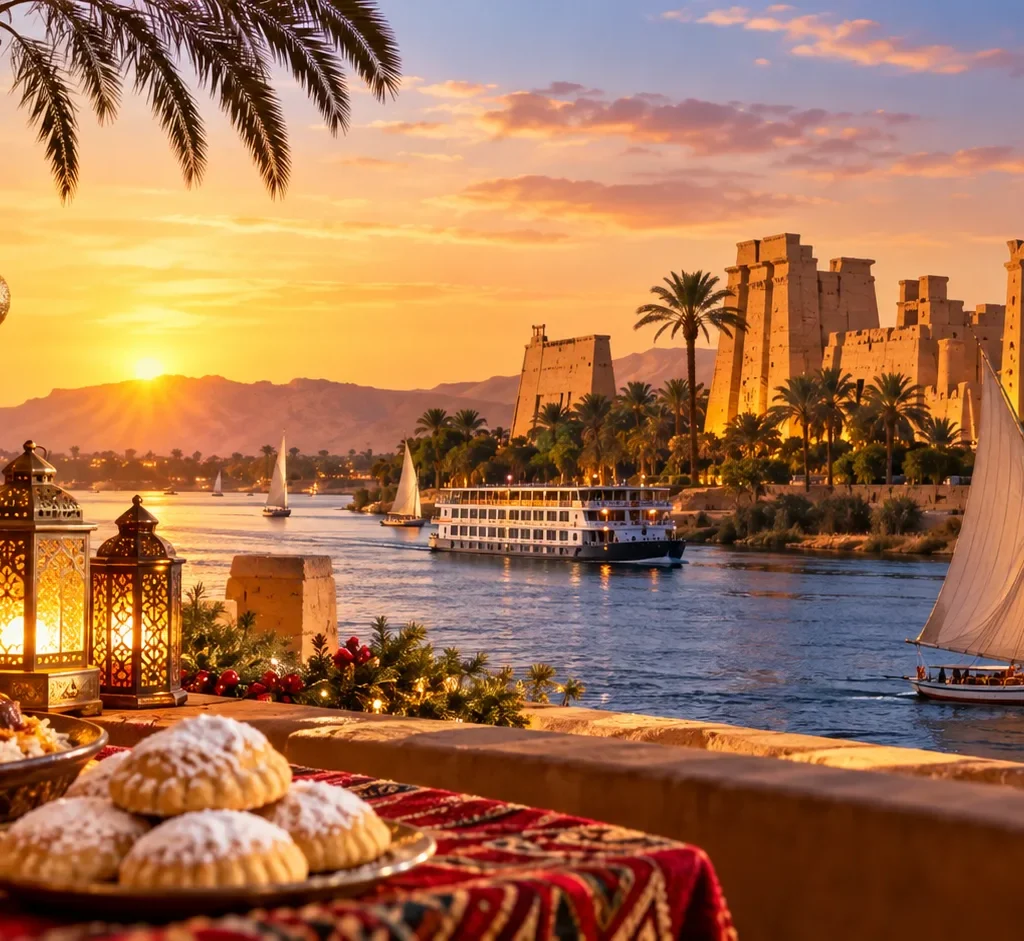
What Do Egyptians Eat on Christmas?
The most recognizable traditional Egyptian Christmas food is fattah, a layered dish made with rice, bread, meat, and a savory garlic sauce. Roast lamb, beef, and sometimes turkey also appear on Christmas tables, alongside vegetables, baked dishes, and Egyptian sweets.
There is no single menu followed by every family. Recipes, household traditions, and personal preferences shape what is served. Nevertheless, several foods have become closely associated with Coptic Christmas celebrations.
| Traditional dish | What it contains | Festive role |
|---|---|---|
| Fattah | Rice, bread, meat, broth, garlic | Traditional Christmas centerpiece |
| Roast lamb or beef | Seasoned, cooked meat | Main feast dish |
| Turkey | Roasted poultry | Alternative family centerpiece |
| Mahshi | Vegetables stuffed with seasoned rice | Possible family accompaniment |
| Molokhia | Leafy green stew | Familiar Egyptian family dish |
| Kahk | Buttery, sometimes filled cookies | Festive treat |
| Ghorayeba | Delicate shortbread-style biscuits | Optional sweet |
| Roz bil laban | Milk-based rice pudding | Traditional Egyptian dessert |
Some of these are general Egyptian dishes rather than foods exclusive to Christmas. What makes the occasion distinctive is the combination of the meal, the end of fasting, and the family celebration.
Why Is Egyptian Christmas Celebrated on January 7?
The Coptic Orthodox Church observes the Nativity according to its traditional liturgical calendar. In the present calendar arrangement, the feast is celebrated on January 7 in the Gregorian calendar.
For many Coptic Orthodox Christians, Christmas is preceded by the 43-day Nativity Fast, a period of spiritual preparation that traditionally includes restrictions on animal-derived foods. The Christmas feast marks the end of that period.

Christmas Eve church services are an important part of the occasion. Families traditionally attend the liturgy, then gather to eat, exchange greetings, and celebrate together.
Want to see how the whole holiday looks on the ground? Read our guide to Christmas in Egypt and our overview of what Egypt is like during Christmas.
The food, therefore, carries meaning beyond its ingredients. It marks the movement from fasting to feasting and from preparation to celebration.
Fattah: The Most Traditional Egyptian Christmas Dish
Fattah is arguably the signature dish of the Egyptian Coptic Christmas meal. Rich, hearty, and deeply rooted in Egyptian home cooking, it combines simple ingredients into a filling centerpiece.
Although individual recipes differ, Egyptian fattah generally includes:
- Pieces of toasted or crisped Egyptian bread.
- Cooked white rice.
- Lamb or beef, often boiled or roasted.
- Meat broth used to moisten the bread.
- Garlic sauce, commonly flavored with vinegar.
- Tomato sauce in many household variations.
The contrast between the rice, softened bread, tender meat, and sharp garlic sauce gives fattah its characteristic taste.
How Is Egyptian Christmas Fattah Prepared?
A traditional home-style version can be understood through five basic stages.
- Cook the meat. Lamb or beef is simmered until tender, producing broth that can be used in the dish.
- Prepare the bread. Egyptian flatbread is cut into pieces and toasted or fried until lightly crisp.
- Cook the rice. White rice forms one of the main layers.
- Make the sauce. Garlic is cooked and combined with vinegar, broth, and, in some variations, tomato sauce.
- Assemble the fattah. Bread, rice, and meat are arranged together, with broth and sauce added for flavor.
This is a general preparation outline, not a fixed recipe. Families may vary the sauce, seasonings, meat, and layering method.
Why Is Fattah Important at Christmas?
Fattah is particularly suitable for a celebratory family meal because it is substantial, shareable, and traditionally associated with important Egyptian occasions.
Following a prolonged period of abstaining from many animal-derived foods, a meat-based meal becomes an especially meaningful part of Christmas.
Its significance comes not from an exclusively Christian origin but from the place it holds in Egyptian food culture and the Coptic festive table.
Other Traditional Egyptian Christmas Dishes
Roast Lamb, Beef, and Turkey
Meat plays a prominent role in many Egyptian Christmas feasts. Lamb and beef are common choices, whether cooked slowly, roasted, or served alongside rice and fattah.
Turkey also appears at some family Christmas dinners. However, it should not be considered a universal Egyptian Christmas tradition.
A report by Ahram Online documents both established meat-and-fattah Christmas meals and changes in household menus over time, including turkey and other baked dishes.
Mahshi: Egyptian Stuffed Vegetables
Mahshi is a familiar Egyptian dish made from vegetables stuffed with a seasoned rice mixture.
Depending on the variety, the vegetables may include zucchini, peppers, eggplant, cabbage leaves, or vine leaves.
It is not specifically a Christmas food, but it can fit naturally into a family celebration, particularly when a large selection of dishes is served.
Molokhia: A Classic Egyptian Green Stew
Molokhia is prepared from finely chopped jute mallow leaves, typically cooked in broth and flavored with garlic and coriander.
It is often served with rice or bread and sometimes accompanied by meat.
For international visitors, molokhia offers an introduction to a distinctive Egyptian food texture and preparation style. Although it may appear at festive meals, it is an everyday national favorite rather than a dish reserved for Christmas.
Egyptian Christmas Fasting Food: What Is Eaten Before the Feast?
To understand the festive meal, it helps to understand the food traditions leading up to Christmas.
The Coptic Nativity Fast traditionally involves abstaining from meat, dairy products, eggs, and other animal-derived ingredients, with rules concerning fish differing according to the fast and church practice.
During this period, families can prepare meals from ingredients such as legumes, grains, vegetables, and plant-based oils.

Common Egyptian dishes that can be prepared in fasting-friendly versions include:
- Lentil soup: A warming soup usually prepared with red or yellow lentils, onion, and cumin.
- Ful medames: Slow-cooked fava beans with oil, lemon, and seasonings.
- Taameya: Egyptian falafel prepared from fava beans and herbs.
- Vegetable mahshi: Stuffed vegetables prepared without meat or animal-derived broth.
- Rice and vegetable dishes: Simple combinations of grains, legumes, and seasonal produce.
These are examples of suitable foods, not a prescribed Christmas fasting menu. Observance can differ between individuals and families.
After the fasting period ends, the richer Christmas feast provides a notable contrast.
Egyptian Christmas Sweets and Cookies
Egyptian festive food is not complete without something sweet. From delicately powdered biscuits to rich semolina cakes, the country’s dessert traditions offer considerable variety.

Kahk: Egypt’s Famous Festive Cookies
Kahk are small, round Egyptian cookies, frequently decorated with patterned designs and generously covered in powdered sugar.
They may be plain or filled with ingredients such as dates, nuts, or traditional sweet fillings.
Kahk are especially famous during Eid al-Fitr, but they are also part of Coptic Christmas traditions in some Egyptian households. This shared culinary heritage is one of the interesting ways festive foods cross religious and cultural boundaries in Egypt.
Ghorayeba: Egyptian Shortbread Cookies
Ghorayeba are soft, delicate biscuits typically made from flour, sugar, and ghee or butter.
Their texture is tender and crumbly, making them a popular sweet accompaniment to tea or coffee.
They belong to Egypt’s broader celebration-food traditions, although they are not exclusive to Christmas.
Basbousa: Traditional Semolina Cake
Basbousa is a semolina-based cake sweetened with syrup and sometimes decorated with nuts.
Its moist texture and rich flavor make it popular across Egypt throughout the year.
Visitors may encounter it at dessert shops, bakeries, and restaurants during the Christmas season, though it is not a specific requirement of Coptic Christmas celebrations.
Kunafa and Rice Pudding
Kunafa and roz bil laban are two additional Egyptian desserts worth discovering.
Kunafa is commonly prepared from fine pastry strands with a sweet filling and syrup, while roz bil laban is a creamy rice pudding made with milk and sugar.
Neither is uniquely associated with Christmas, but both illustrate the variety of desserts available to travelers exploring Egyptian cuisine.
Traditional Egyptian Christmas Menu: An Example
For anyone interested in preparing an Egyptian-inspired Christmas dinner, this suggested menu combines customary Coptic Christmas dishes with familiar Egyptian accompaniments.
| Course | Suggested dish |
|---|---|
| Starter | Egyptian lentil soup |
| Main dish | Lamb fattah with rice and bread |
| Additional main | Roast meat or turkey |
| Side dish | Vegetable mahshi |
| Dessert | Kahk and ghorayeba |
| Additional dessert | Rice pudding or basbousa |
| Drinks | Tea, Egyptian coffee, or hibiscus |
This is an illustrative menu rather than an official or universally followed Christmas meal.
Egyptian Christmas Food vs Western Christmas Food
For travelers from the United States, United Kingdom, Canada, Europe, and Australia, the differences between Egyptian and Western Christmas meals are part of the cultural interest.
| Feature | Egyptian Coptic Christmas | Typical Western Christmas celebrations |
|---|---|---|
| Main date | January 7 | Usually December 25 |
| Traditional centerpiece | Fattah with meat | Often turkey, ham, or roast meat |
| Common starches | Rice and Egyptian bread | Potatoes, bread, or stuffing |
| Desserts | Kahk and other Egyptian sweets | Pudding, pies, cakes, or cookies |
| Religious food tradition | Nativity Fast before the feast | Varies by denomination and family |
| Meal setting | Family gathering after Christmas worship | Family meal, often on Christmas Day |
These are broad comparisons rather than rigid cultural rules. Many Egyptian families adopt modern dishes, while Western Christmas customs also vary considerably between countries and households.
Where Can Tourists Try Egyptian Christmas Food?
Visitors do not necessarily need to attend a private Christmas celebration to appreciate Egyptian festive cuisine.
Several traditional dishes remain available throughout the year. The experience depends on the destination, restaurant, and time of visit.
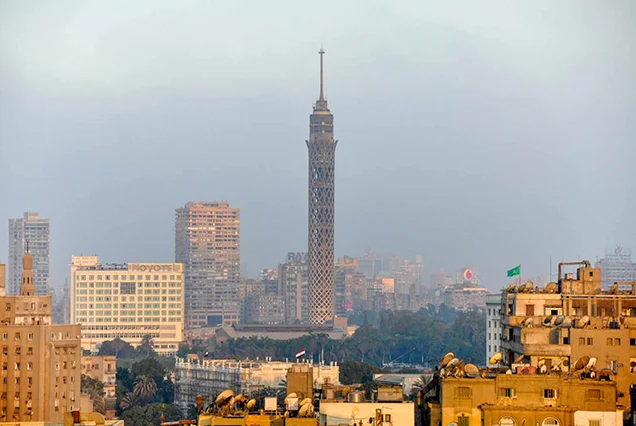
Cairo
Cairo offers opportunities to explore Egyptian home-style dishes, bakeries, and traditional restaurants.
Travelers interested in Coptic Christmas can also learn about the country’s Christian heritage through its historic churches and cultural neighborhoods.
For an itinerary that includes historical and cultural exploration, you can browse the Egypt Luxury Trips destinations and explore the available Cairo travel options.
Prefer a ready-made route? Our Cairo, Luxor, Aswan and Abu Simbel tour links the capital with Upper Egypt.

Luxor
Luxor is an excellent destination for travelers who want to combine archaeological sightseeing with an introduction to Egyptian everyday cuisine.
Traditional dishes such as fattah, molokhia, and mahshi can be part of a broader culinary experience, although seasonal Christmas menus should be confirmed individually with restaurants.

Planning a longer stay? See our luxury holidays in Luxor and our private Luxor tour guide service.
Aswan
Aswan offers visitors another perspective on Egyptian food culture, including local and Nubian culinary influences.
An interest in Christmas traditions can be combined with learning about regional foods, historic communities, and the cultural diversity of southern Egypt.

Continue exploring with our guide to what to do in Aswan or book the Aswan city tour.
Practical Christmas Dining Tips
When traveling during the festive season, remember that December 25 and January 7 may bring different dining experiences.
Hotels catering to international visitors may organize Western-style Christmas meals, whereas January 7 is more closely associated with Coptic Orthodox Christmas.
Ask restaurants about seasonal dishes in advance, especially if you specifically want fattah or a Christmas feast. Vegetarian travelers should also check ingredients carefully, since broth, butter, and ghee may be used in dishes that otherwise appear plant-based.
If you would rather enjoy the festive season on the water, compare our Nile Christmas cruise with our luxury Egypt tours with a Nile cruise.

Spend Christmas in Egypt, the Egyptian Way
Private guides, Nile views and festive dining, planned around your dates.
Plan Your Egypt Christmas Trip
Tell us your dates, group size and food interests, and our team will design a private journey around Egypt’s festive season.
What Travelers Say About Egypt Luxury Trips


Frequently Asked Questions About Egypt Christmas Food
Fattah is one of the most traditional dishes associated with Coptic Christmas. It combines rice, bread, meat, and a savory garlic-based sauce.
Coptic Orthodox Christians in Egypt celebrate Christmas on January 7 under the current calendar arrangement.
Many families traditionally break their Nativity Fast with a festive meal including fattah, lamb, beef, or other meat dishes. Actual menus vary by household.
Meat is prominent in many Christmas meals because Coptic Orthodox fasting practices traditionally restrict meat and several other animal-derived foods before the feast.
Kahk are Egyptian festive biscuits, often dusted with powdered sugar and sometimes filled with dates or nuts. They are associated with several Egyptian celebrations, including Coptic Christmas in some households.
Yes. Some Egyptian families serve turkey at Christmas, although fattah and other meat dishes have a particularly strong association with traditional Coptic celebrations.
Kahk is one of the better-documented Christmas sweets. Other Egyptian desserts, including basbousa, rice pudding, kunafa, and ghorayeba, may also be enjoyed depending on family preferences.
Many familiar Egyptian dishes emphasize garlic, herbs, vinegar, coriander, and cumin rather than intense chili heat. Nevertheless, spice levels depend on the specific recipe.
Yes. Many of the dishes associated with Christmas, including fattah and Egyptian sweets, can be found outside the holiday itself. Availability varies between restaurants and seasons.
Both dates can be observed by different Christian communities and international visitors in Egypt. January 7 is the principal Coptic Orthodox Christmas date, while December 25 is observed by many other Christians and is widely recognized in international hotels and tourism settings.
Yes, although there is considerable overlap in Egyptian cooking. Kahk, for example, is particularly associated with Eid al-Fitr but can also be enjoyed at Coptic Christmas. Fattah is likewise served on several important occasions, not exclusively at Christmas.
Yes. The Nativity Fast encourages a wide range of plant-based preparations. Ful medames, lentil soup, vegetable dishes, and meat-free versions of traditional Egyptian recipes are examples.
Experience Egyptian Culture Beyond the Christmas Table
Egyptian Christmas food offers more than a collection of festive recipes. It provides a window into the relationship between religion, family life, and culinary heritage.
From the layered richness of fattah to the powdered sweetness of kahk, each dish contributes to a larger story of celebration and hospitality.
For travelers planning a Christmas holiday, exploring Egyptian cuisine alongside historical sites, Coptic heritage, and local communities can make the journey more rewarding.
At Egypt Luxury Trips, you can explore travel options in Cairo, Luxor, Aswan and beyond. Browse our Egypt Christmas holiday ideas, or use the enquiry form above to build a journey around the local food and Coptic heritage that interest you.