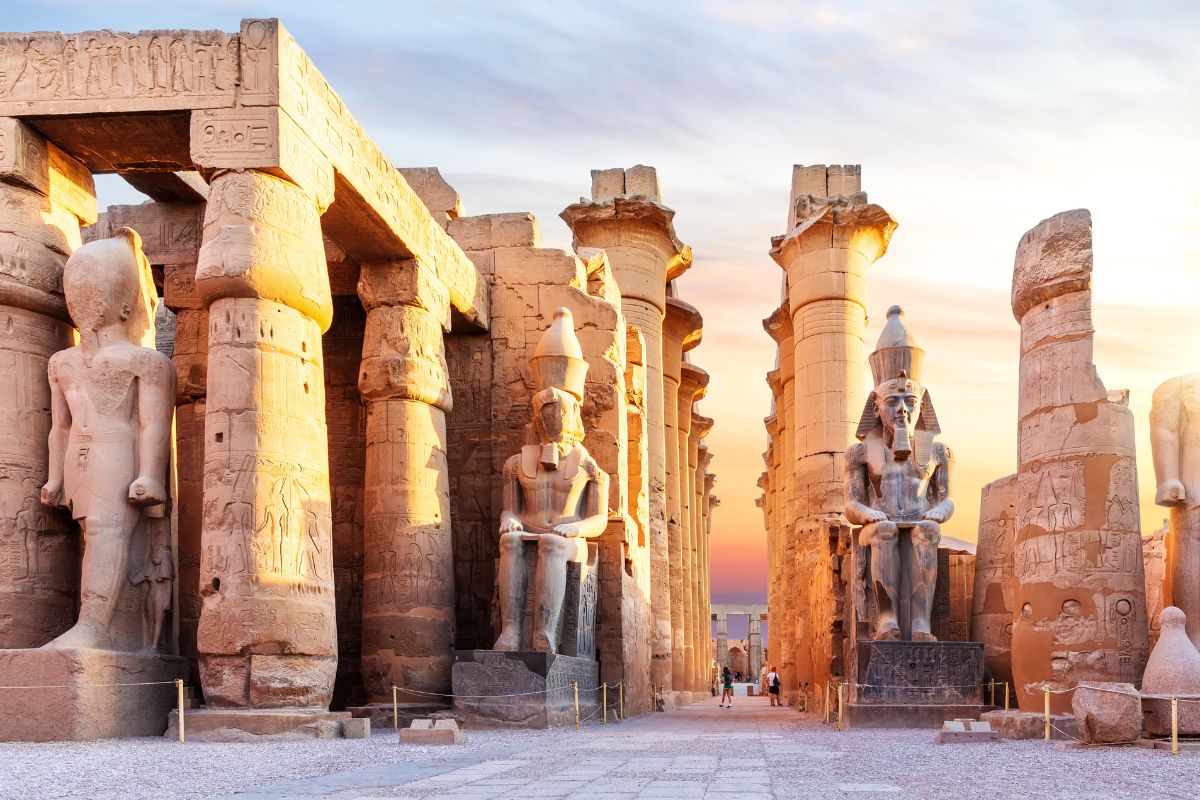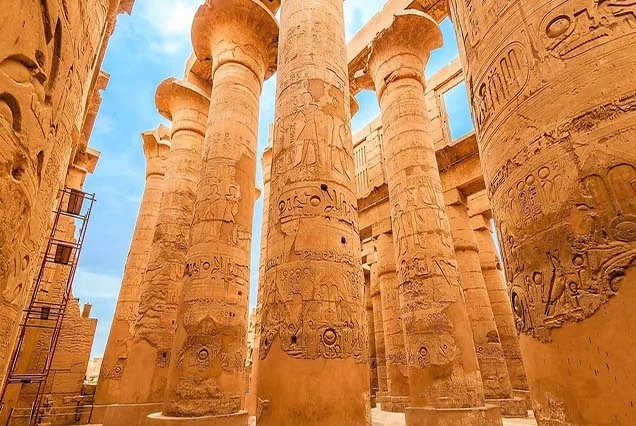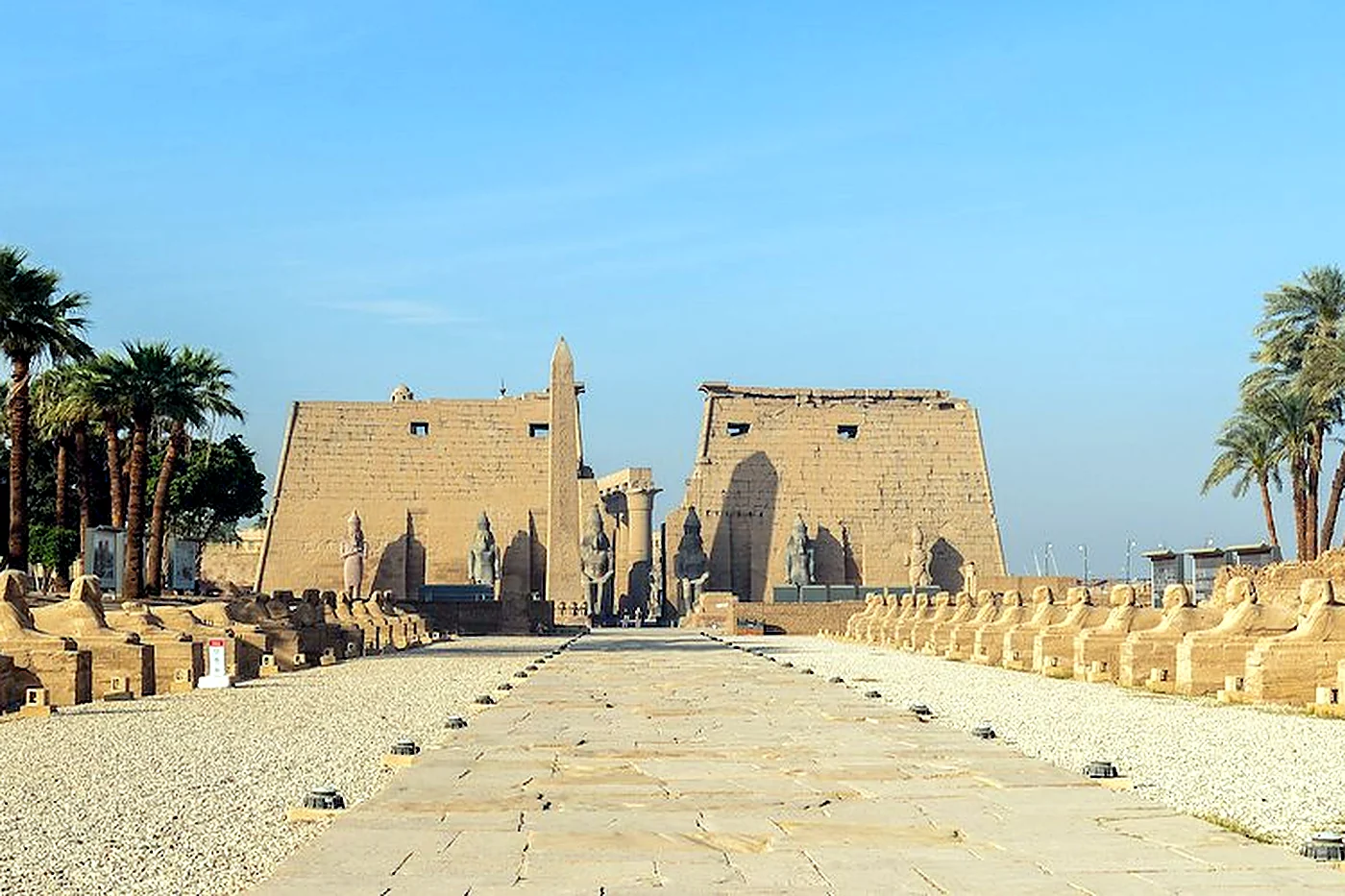

The Valley of the Kings, three tombs at a time.
- Luxor West Bank
- 60+ tombs uncovered
- Private guiding only
Start here
Nobody tells you this before you go: you don’t choose the tombs.
You’ll read a hundred articles ranking the best tombs in the Valley of the Kings. Then you arrive, buy the standard ticket, and discover it admits you to three tombs from a rotating selection — and the rotation is decided by Egypt’s antiquities authority, not by you and not by us.
That single fact reshapes how you should plan the day. It’s not a problem, and it isn’t a trick; the tombs are rotated deliberately so the painted surfaces get a rest from the humidity that thousands of visitors breathe into a sealed limestone corridor every day. But it does mean the sensible question changes. Instead of “which three tombs will I see?”, the useful question becomes “how do I make sure the three I do see are worth the trip?”
The answer is boringly practical: arrive early, go in with someone who can read what’s on the walls, and don’t schedule anything that forces you back to the car before you’re finished. That’s the whole method, and it’s what we build every Valley of the Kings tour around at Egypt Luxury Trips.
The Valley at seven in the morning and the Valley at noon are the same sixty tombs and two completely different mornings.
What follows is what we tell our own travellers before they go: where the Valley is, who’s buried there, how the tickets work, when to arrive, how to reach it from Luxor or a Red Sea port, and which of our private tours covers it. Where a figure changes with the season or the ministry, we say so rather than printing something that may be wrong by the time you read it.
The place
What the Valley of the Kings is, and why it’s hidden in a wadi.
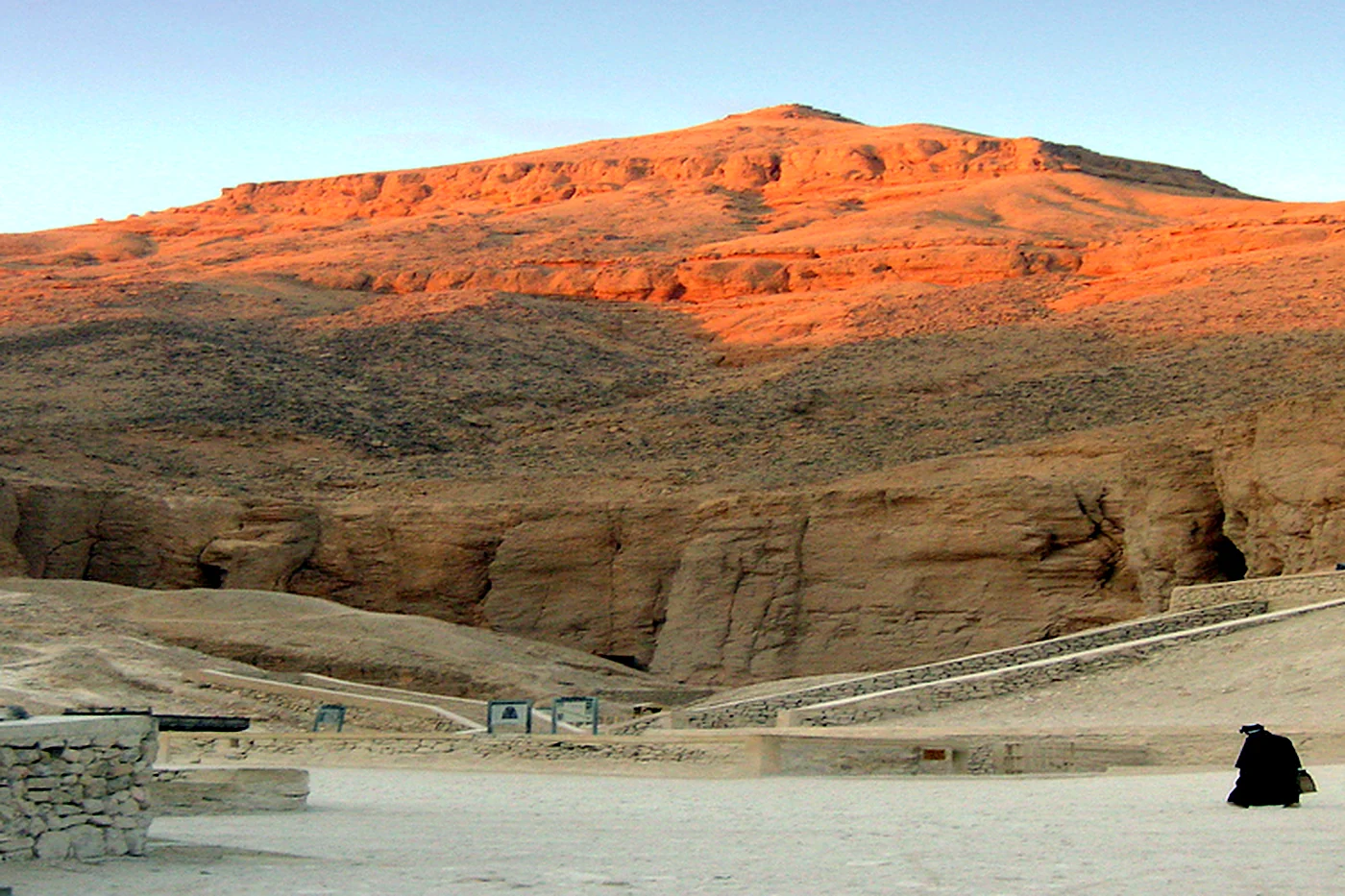
Short version: it’s a dry desert valley behind the cliffs of Luxor’s West Bank, and for roughly five hundred years it was the most exclusive address in the ancient world.
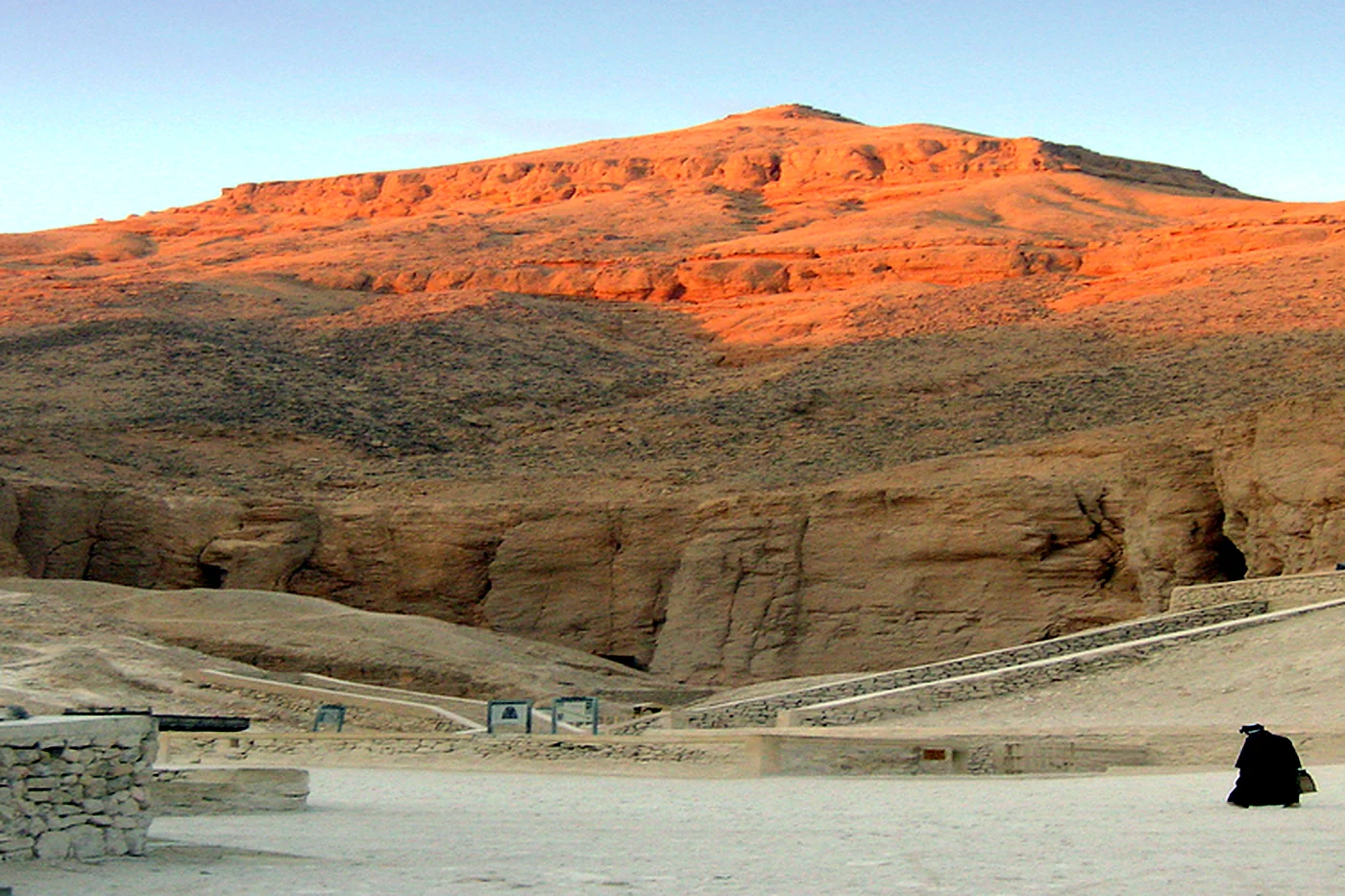
The Valley of the Kings — Wadi el-Muluk in Arabic, and Biban el-Moluk, “the gates of the kings”, in the older local name — sits on the west side of the Nile opposite modern Luxor, the city the Greeks called Thebes. Cross the river, drive past the fields, and the green stops abruptly. Behind it the limestone starts, and cut into that limestone are the rock-cut tombs of the New Kingdom pharaohs. More than sixty tombs have been uncovered here, along with a number of smaller pits and unfinished shafts, and they sit within the wider Theban necropolis that UNESCO lists as World Heritage.
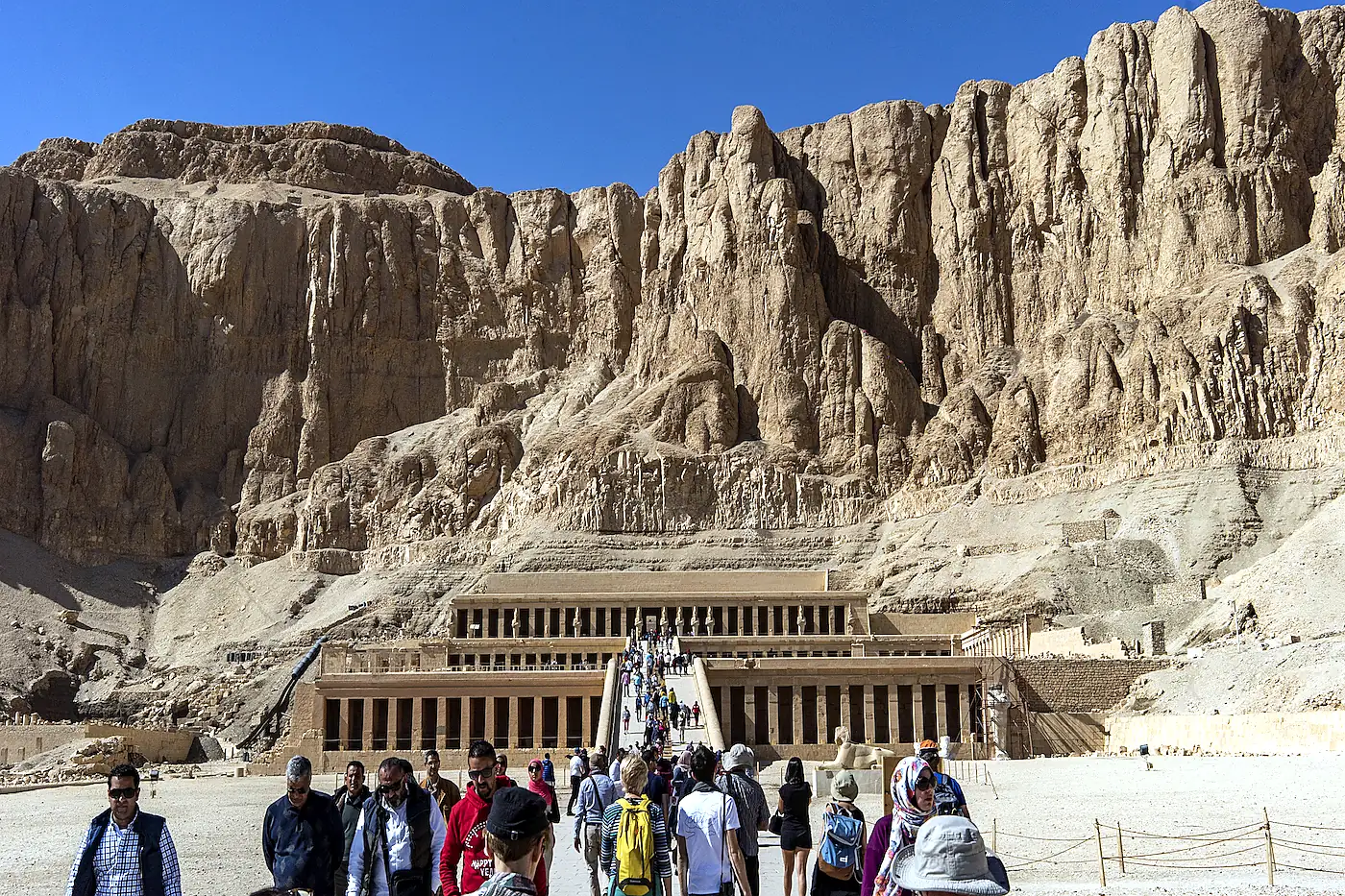
Why here? Because the earlier kings built pyramids, and pyramids are enormous signposts saying valuable objects, this way. Every single one was robbed. So the New Kingdom rulers changed strategy entirely: separate the burial from the monument, hide the burial in a remote desert valley, and build the public memorial temple somewhere else on the plain. Hence the tombs here and the mortuary temples — Hatshepsut’s terraces at Deir el-Bahari, Ramesses III’s fortress-like Medinet Habu — sitting a few kilometres away.
It very nearly worked. Nearly. Almost every tomb was eventually emptied in antiquity, which is why the one that wasn’t became the most famous archaeological find ever made: Howard Carter’s discovery of Tutankhamun’s intact tomb in 1922, catalogued in the valley’s numbering system as KV62.
That “KV” you’ll see everywhere simply means Kings’ Valley, followed by the order in which each tomb was recorded. It’s a filing system, not a ranking: KV62 isn’t the sixty-second most impressive tomb, it’s the sixty-second one written down.
Who is actually buried in the Valley of the Kings?
The rulers of Egypt’s New Kingdom, along with a number of queens, royal children and favoured officials in smaller tombs. Among the names you’ll recognise, the Valley holds the burials of pharaohs including Ramses II, Seti I and Tutankhamun. The tombs vary enormously — some run deep into the hillside down long sloping corridors, others are startlingly small — and the difference usually comes down to how long the king reigned, and therefore how many years the workmen had to cut.
Those workmen have their own address on the West Bank. They lived at Deir el-Medina, a walled village whose ancient name was Set Ma’at, “Place of Truth”, and whose rubbish heaps produced thousands of inscribed pottery shards recording wages, disputes and history’s earliest recorded labour strike. If the kings are the headline, the artisans are the story underneath it.
| What you need to know | |
|---|---|
| Where it is | Luxor’s West Bank, Upper Egypt — across the Nile from the modern city |
| Also known as | Wadi el-Muluk · Biban el-Moluk · the Theban royal necropolis |
| Tombs uncovered | More than sixty, numbered in the KV system |
| Who’s buried there | New Kingdom pharaohs, including Ramses II, Seti I and Tutankhamun |
| Standard ticket | Admits you to three open tombs from a rotating selection |
| Special-entry tombs | Tutankhamun, Seti I and Ramses VI need separate tickets |
| Usually paired with | Hatshepsut’s temple at Deir el-Bahari and the Colossi of Memnon |
| How we visit it | Privately — your own Egyptologist guide and air-conditioned vehicle |
The day itself
How a private Valley of the Kings tour actually runs.
This is the shape of our Valley of the Kings and Hatshepsut Temple tour — approximately six hours door to door, with pickup and return included. Nothing here is aspirational; it’s the route we run.
Your guide collects you — hotel or cruise ship
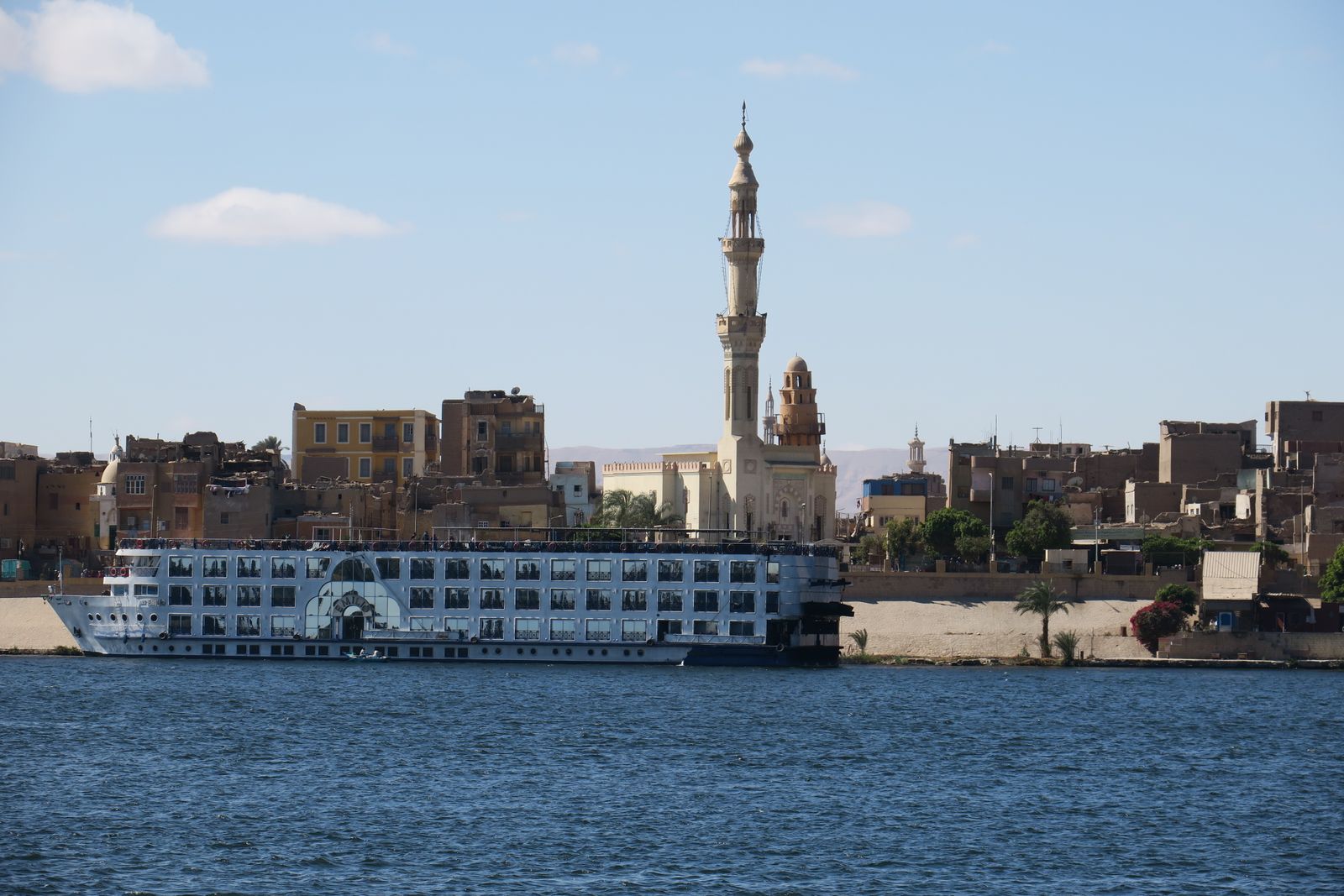
Pickup works the same whether you’re staying in a Luxor hotel or on a Nile cruise ship docked for the day. You cross to the West Bank by private air-conditioned vehicle: a short drive that trades the riverside town for the desert hills where the New Kingdom buried its kings.
Into the Valley, on the standard ticket
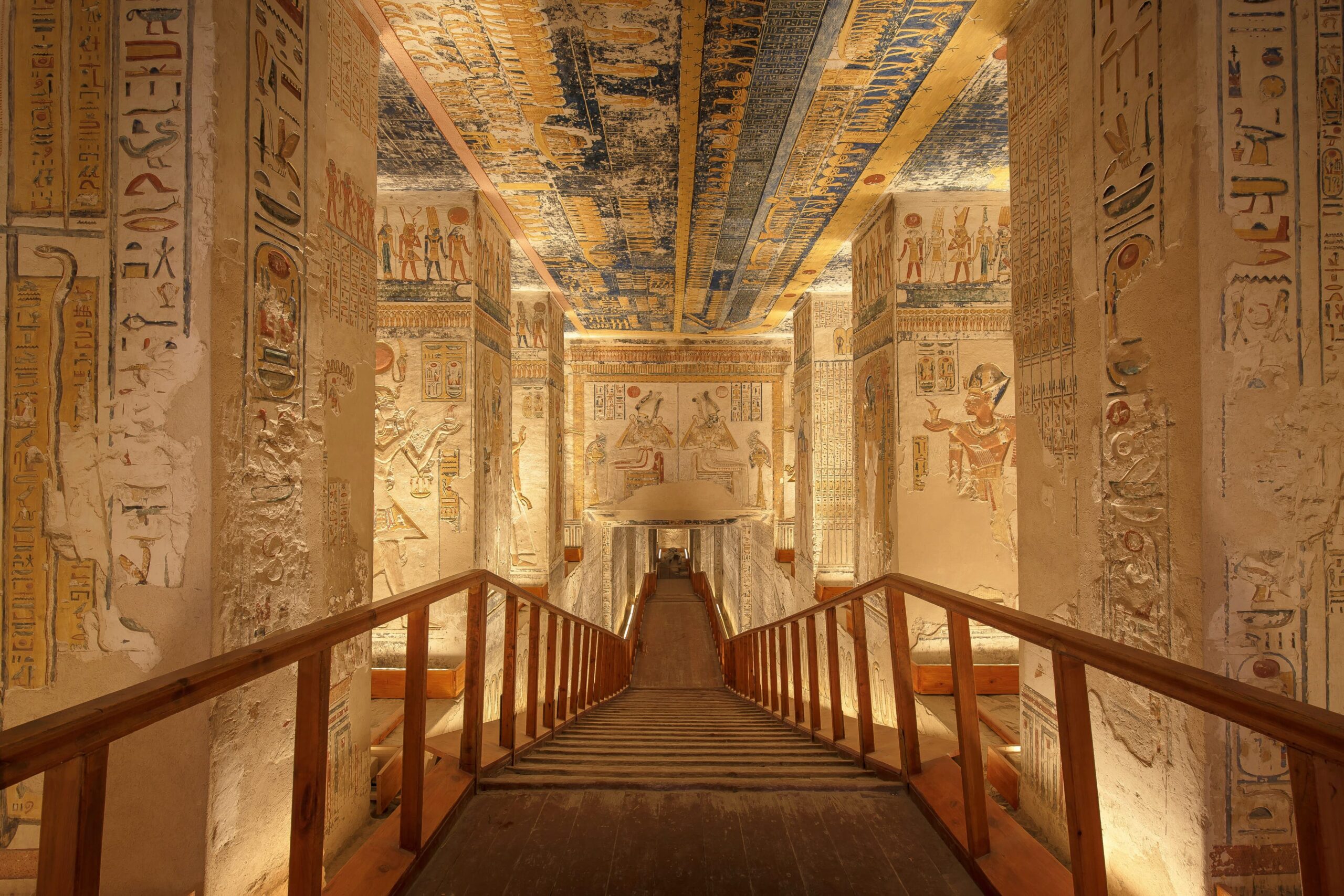
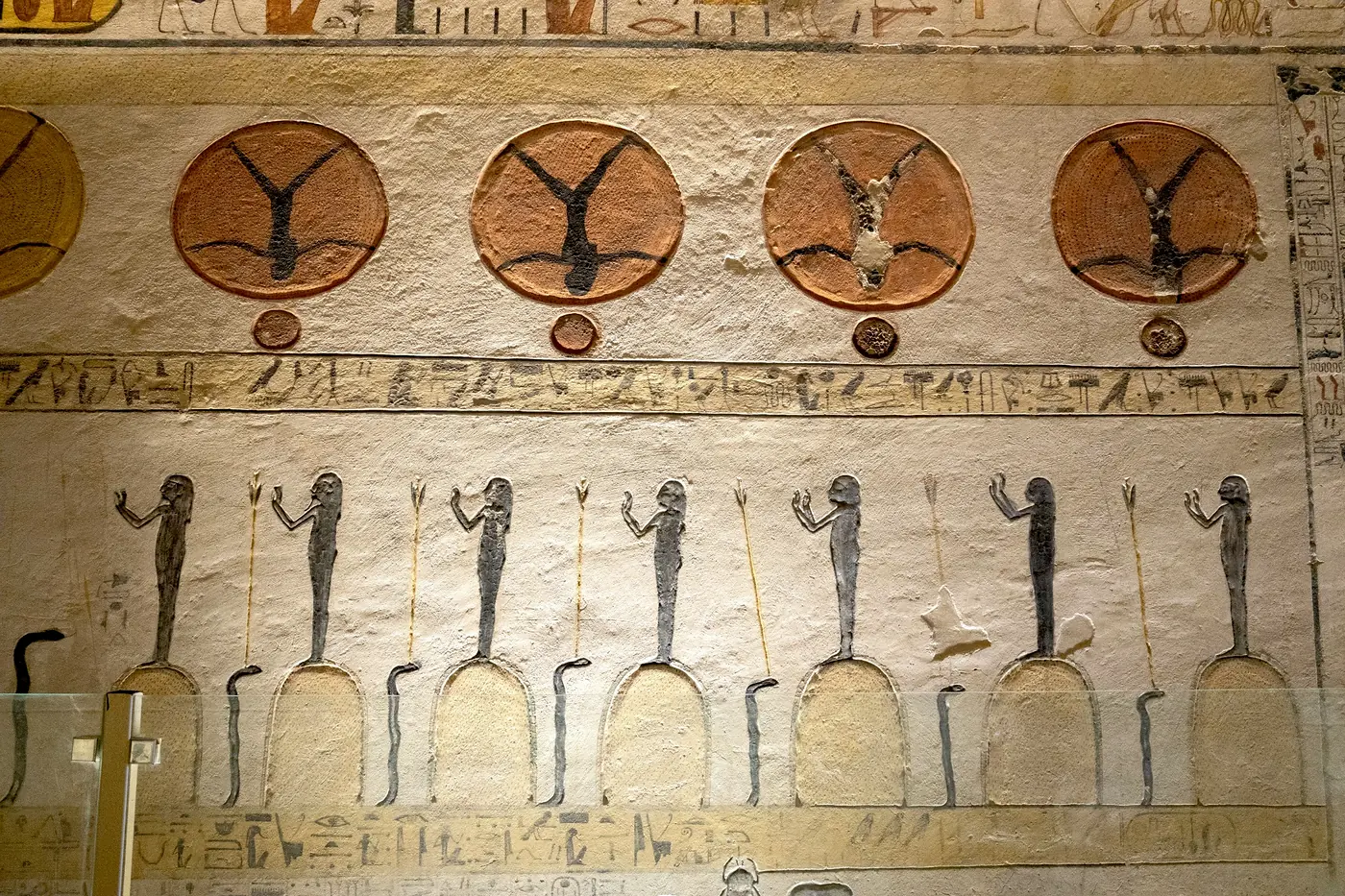
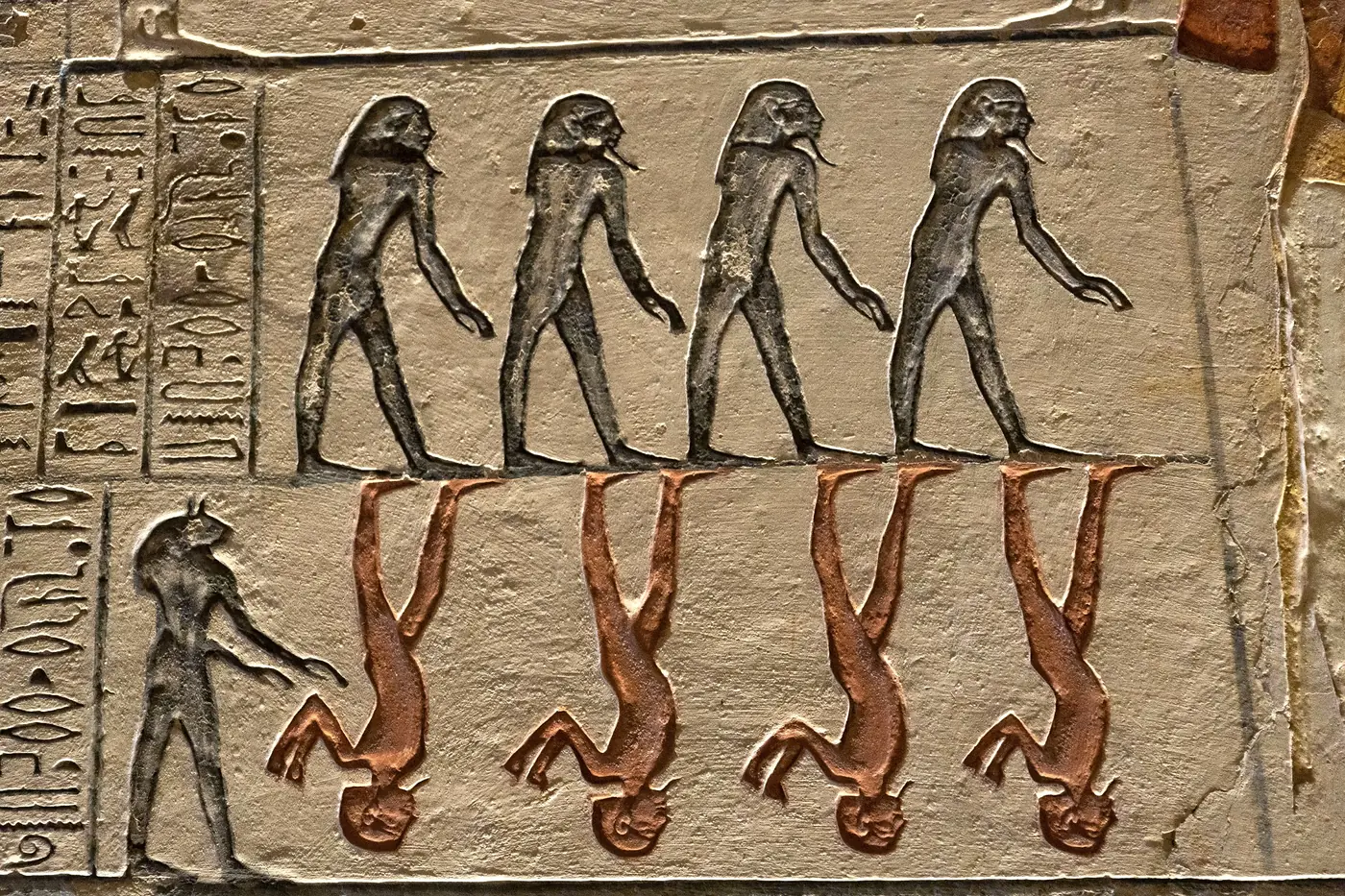
You enter on the standard ticket, which covers three tombs from the day’s open rotation — your guide confirms which on arrival, because nobody can honestly promise a fixed list weeks ahead. Inside, painted corridors run deep into the rock, still carrying colour and the funerary texts written to guide a pharaoh through the underworld.
Hatshepsut’s temple at Deir el-Bahari
Three flat terraces cut straight into the cliff face — one of the only structures in Egypt built this way, and the temple of the only woman who ruled as pharaoh in her own right. You walk the colonnades and chapels where her reliefs claimed divine birth to justify a throne much of her court never fully accepted.
The Colossi of Memnon, briefly
Two eighteen-metre statues of Amenhotep III standing alone in open fields — the only survivors of what was once the largest mortuary temple on the West Bank, the rest lost to Nile flooding centuries ago. It’s a photo stop, not a site visit, and we say so rather than padding the itinerary.
Back where you started
Your guide returns you to your hotel or ship in the same private vehicle. Standard entrance fees, transport, a licensed Egyptologist and bottled water are included; special-entry tombs, meals and tips are not — and you’ll have that in writing before you commit to anything.
Private tours that include it
Six ways to reach the Valley of the Kings.
Every programme below is published, private and operated by us. They differ in length, in what else they cover, and in where they collect you from — so pick by the shape of your trip, not by which sounds grandest.
Approx. 6 hoursLuxor · West Bank
Valley of the Kings and Hatshepsut Temple Tour
The direct answer to this page. Three open royal tombs, then Hatshepsut’s cliffside terraces at Deir el-Bahari, with a Colossi of Memnon photo stop on the way back.
Built around tomb time — the thing most visitors run short of.
 Approx. 8 hours
Luxor · Both banks
Full-Day Luxor Tour: East and West Banks
The Valley and Hatshepsut in the morning, lunch, then Karnak and Luxor Temple as the afternoon light softens. One guide, one long, very good day.
Choose this if Luxor gets exactly one day in your itinerary.
 Full-day shore excursion
Safaga Port · Red Sea
Safaga to Luxor Day Trip
For cruise passengers docking on the Red Sea coast. Private car from the port exit, roughly three hours each way through the Eastern Desert, and back before your ship’s all-aboard time.
Visits the Valley first, before the coach groups arrive.
 Approx. 2 hours
Luxor · Before sunrise
Luxor Hot-Air-Balloon Ride
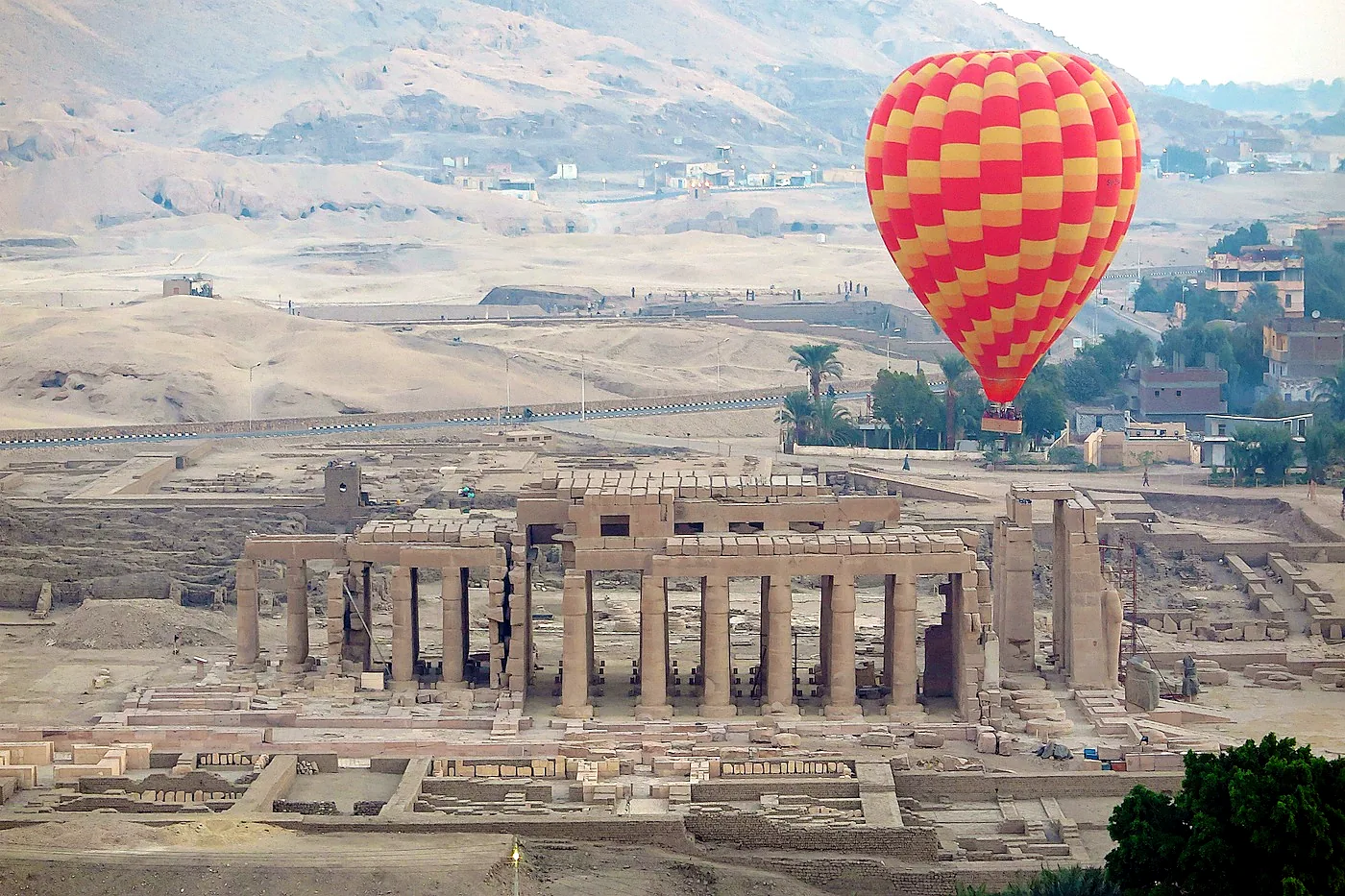
An approximately 45-minute flight over the West Bank, reached by an early motorboat crossing of the Nile. Pre-flight refreshments, and a flight certificate when you land.
The only way to see the shape of the whole necropolis at once.
 Approx. 4 hours
Luxor · The quiet circuit
Valley of the Nobles, Deir el-Medina and Medinet Habu
Painted tombs built for officials rather than kings, the artisans’ village that produced the royal tombs, and Ramesses III’s mortuary temple with its Sea Peoples reliefs.
The people who cut the Valley of the Kings lived here.
 Approx. 3 hours
Luxor · East Bank
Luxor Museum and Mummification Museum
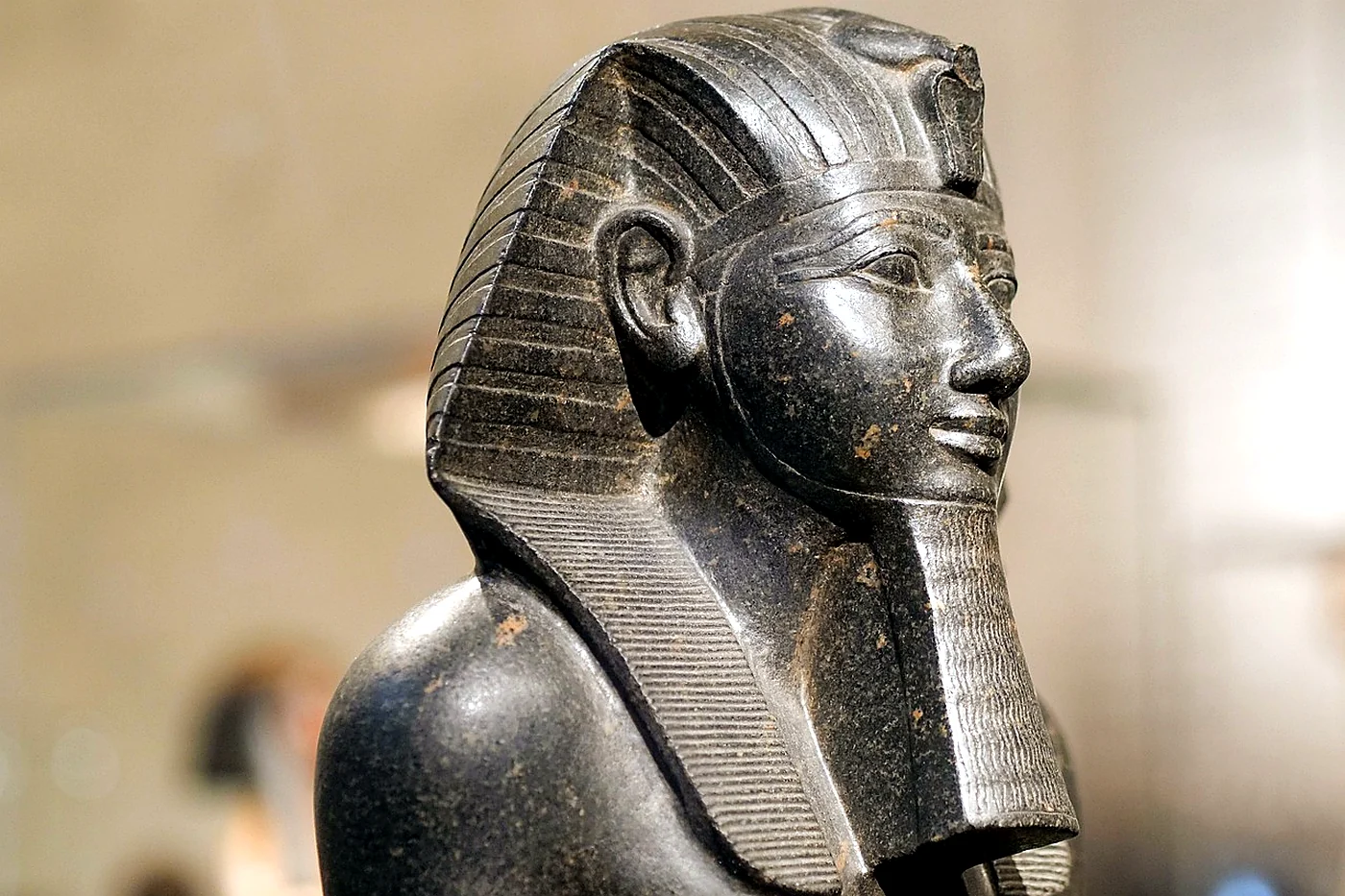
Royal statues and temple reliefs from ancient Thebes, then the Nile-side museum that explains embalming properly — tools, materials, amulets, human and animal mummies.
Explains what the tomb walls are actually depicting.
Planning it properly
Timing, tickets and getting there.
Three things decide whether your morning in the Valley is memorable or merely survived: what hour you arrive, what you’ve booked in the two hours afterwards, and how far you have to drive to reach the gate.
The hour you arrive is the whole decision
We put this bluntly to every traveller: go first thing. Tour-bus groups tend to arrive mid-morning, and the tombs hold heat by midday — a sloped limestone corridor with no airflow behaves exactly as you’d expect once the sun is high. Arrive early and you get cooler stone, softer light and corridors you can actually stand still in.
The second half of that advice matters just as much: don’t stack anything immediately after the Valley. The common mistake is booking the sunrise balloon flight and a full day of temples on the same morning. The balloon lifts off before the light does; afterwards you want breakfast and a shower, not a hypostyle hall.
Season matters too. Between December and February the desert morning is genuinely cool, so bring a layer you can shed by ten. In summer, refill your water before leaving the West Bank. And in every season: closed, comfortable shoes — the ramps inside the tombs are sloped and the ground outside is uneven.
How to get to the Valley of the Kings
From Luxor. You’re close. The Valley sits on the West Bank, a short private drive once you’ve crossed the river, which is why our half-day Valley and Hatshepsut programme fits into about six hours with pickup and return built in.
From a Nile cruise ship. No harder at all. If your boat is docked in Luxor for the day, pickup and return work from the ship rather than a hotel — we run it that way constantly.
From the Red Sea coast. This is the long one, and we won’t pretend otherwise. Our private Safaga to Luxor day trip collects you at the port cruise exit and drives roughly three hours each way through the Eastern Desert, timed backwards from your ship’s all-aboard time. It covers the Valley of the Kings, Hatshepsut, the Colossi and Karnak, with lunch and standard tickets included from $200 per person. If your ship stays in port overnight, the two-day version removes most of the rush — a night in Luxor, and the Valley reached near opening time, from $300 per person.
From Cairo. Egypt is longer than it photographs. Cairo to Luxor is a flight, not a drive — our day trip from Cairo to Luxor by flight exists precisely for calendars that refuse to stretch.
What our standard ticket price covers
On our private Valley programmes the standard entrance fee is included — three tombs from the day’s rotation. Special-entry tombs, including Tutankhamun’s, Seti I’s and Ramses VI’s, are separate tickets and are listed as excluded. We tell you that before you book rather than at the gate, and if you want one added we’ll confirm availability and cost in writing first.
The Valley is the one site in Egypt where the difference between a good visit and a rushed one is measured in minutes, not money.
How much of the West Bank should you actually see?
Most first-time visitors do the Valley and Hatshepsut and leave. That’s a perfectly good half-day. But the West Bank rewards a second visit more than almost anywhere else in Egypt, and the table below is the honest version of what each amount of time buys you.
If you’ve done the headline sites once, our recommendation is unambiguous: the Valley of the Nobles, Deir el-Medina and Medinet Habu. The nobles’ tombs are smaller and often more vividly painted than the royal ones, because they show farming, hunting, craftwork and family life rather than formal funerary texts. Most itineraries skip them entirely, which is exactly why they’re quiet.
| Time you have | What fits comfortably | What gets left out |
|---|---|---|
| Half a day (approx. 6 hours) | Valley of the Kings, Hatshepsut’s temple, Colossi of Memnon photo stop | The East Bank temples, and everything off the main circuit |
| One full day (approx. 8 hours) | All of the above plus lunch, Karnak and Luxor Temple in the afternoon | Unhurried tomb time — this day is full, by design |
| Two days in Luxor | The full-day route, then the Nobles, Deir el-Medina and Medinet Habu | Very little on the West Bank itself |
| Two days, with a dawn start | Add the sunrise balloon flight and a museum afternoon in the hot hours | Almost nothing — this is the version people wish they’d booked |
Before you go
Six practical things about visiting the Valley.
None of these are dramatic. All of them change how the morning feels.
Children and students
Children usually love the Valley more than their parents expect. The adjustment is pacing rather than content: fewer tombs, more explanation, and a private schedule you can shorten the moment someone has had enough. Reduced tickets for children and students are set by the antiquities authority — tell us your group’s ages and we’ll confirm what applies on your date.
Mobility and the ramps
The honest constraints are heat, uneven ground and the sloped ramps running down into each tomb. A private day absorbs much of that: your vehicle waits where you left it and the day ends when you say so. Mention any mobility considerations in your enquiry and we’ll plan tombs and timings around them.
Photography inside the tombs
Rules on photography inside the tombs are set by the antiquities authority and they change — some tombs permit it under a separate permit, others don’t allow it at all. Your guide confirms what applies at the gate, and we’ll tell you what we know for your date when you enquire rather than guessing in print.
Why a guide changes it
Without one, a tomb is a beautiful corridor. With a licensed Egyptologist it’s a text you can read — which god is which, what the king is shown doing, why the ceiling is dark blue. Our Valley programmes include a qualified Egyptologist throughout, and the same guide stays with you across Hatshepsut and the Colossi.
Kings versus Queens
Two different valleys nearby, not two names for one place. The Valley of the Kings holds New Kingdom pharaohs; the Valley of the Queens was used for royal wives and children. With one morning, take the Kings — and if you want somewhere genuinely quieter, the Nobles’ tombs are our recommendation over either.
Where the objects went
Very little stays inside the tombs. The contents were removed to museums long ago, which is why the Luxor Museum and Mummification Museum pairs so well with a Valley morning — it explains the objects, the embalming process and the beliefs behind the wall scenes you’ve just been standing in front of.
Straight answers
Three numbers we won’t print on this page.
We’d rather be accurate than impressive, and the Valley is a site where confident published figures go stale fast.
The entrance fee. Ticket prices for the Valley, and for the special-entry tombs, are set by Egypt’s Ministry of Tourism and Antiquities and revised periodically. On our private tours the standard entrance fee is included in your quote; if you want a special tomb added, we confirm the current cost in writing first.
The opening hours. These shift with the season and the ministry’s own scheduling. Your guide builds the pickup time around the hours in force on your date — the number that actually matters to you — and we confirm it when we quote.
Which three tombs you’ll see. The rotation is not ours to promise. What we can promise is a guide who knows what’s open, arrives early enough for it to matter, and doesn’t rush you back out.
Your date, and how firm it is
Or the window you’re considering. Tomb rotations and balloon availability both move with the calendar.
Where we collect you
A Luxor hotel, a docked Nile cruise ship, or a Red Sea port — and if it’s a ship, its schedule.
Who’s coming
Numbers, ages if children are travelling, and anything about pace, heat tolerance or mobility we should plan around.
Anything you’d hate to miss
A special-entry tomb, the sunrise balloon, the quieter Nobles’ circuit. Name it and we’ll protect it in the plan.
Keep reading
More on Luxor before you decide.
- The Luxor Temple — the one you can walk to in the evening, on the living side of the river.
- A full day on the Luxor West Bank — how the day is usually shaped when you give it more room.
- A luxurious day tour of Luxor — the unhurried version of the same ground.
- Dendera and Abydos Temples — where we’d send you next if you’ve already done the Valley.
- Karnak and Luxor Temples tour — the East Bank half of ancient Thebes.
- Our travel journal — longer reads on Egypt, updated as we publish.
Before you enquire
The Valley of the Kings: your questions, answered.
What is the Valley of the Kings and where is it located?
It’s the royal burial ground of Egypt’s New Kingdom pharaohs, cut into a desert valley on the West Bank at Luxor, in Upper Egypt — directly across the Nile from the modern city, on the site the Greeks knew as Thebes. In Arabic it’s Wadi el-Muluk, and it’s also known by the older local name Biban el-Moluk. It forms part of the wider Theban necropolis listed by UNESCO as World Heritage.
How many tombs are in the Valley of the Kings?
More than sixty tombs have been uncovered, along with smaller shafts and unfinished cuttings. Each is catalogued in the KV numbering system — KV for Kings’ Valley, followed by the order in which the tomb was recorded. Only a small number are open at any one time, and the selection rotates.
Which pharaohs are buried in the Valley of the Kings?
The New Kingdom rulers, along with some queens, royal children and favoured officials in smaller tombs. Among the names most visitors recognise, the Valley holds the burials of pharaohs including Ramses II, Seti I and Tutankhamun. Tomb size varies enormously with the length of each reign — a long rule meant more years for the workmen to cut deeper.
Is Tutankhamun’s tomb open to visitors?
Tutankhamun’s tomb, KV62, is a special-entry tomb and is not covered by the standard ticket — it needs a separate ticket bought at the gate, and it isn’t part of our standard Valley programmes. We say so before you book rather than at the entrance; if you’d like it added, tell us in your enquiry and we’ll confirm availability and cost in writing. It’s the tomb Howard Carter found intact in 1922, which is why it’s the one everyone asks about.
How much does it cost to enter the Valley of the Kings in 2026?
Entrance fees are set by Egypt’s Ministry of Tourism and Antiquities and are revised periodically, so we don’t publish a figure here that might be out of date by the time you read it. On our private tours the standard entrance fee is included in the quote you receive. Special-entry tombs such as Tutankhamun’s, Seti I’s and Ramses VI’s are separate tickets, listed as excluded, and we’ll confirm the current cost in writing when you enquire.
What are the opening hours of the Valley of the Kings?
Opening hours shift between the summer and winter seasons and are set by the antiquities authority. Rather than print hours that may change, we build your pickup time around the hours in force on your travel date and confirm it when we quote. Our standing advice regardless of season is to be there as early as the site allows — the tour-bus groups arrive mid-morning and the tombs hold heat by midday.
Can I take photos inside the tombs?
Photography rules inside the tombs are set by the antiquities authority and they change. Some tombs allow it under a separate permit, others don’t allow it at all, and it can vary tomb by tomb on the same day. Your guide confirms what applies at the gate, and we’ll tell you what we know for your date when you enquire. Outside, in the valley itself, photography is far less restricted.
What are the best tombs to visit in the Valley of the Kings?
Honestly, the best tomb is whichever well-preserved one is open on your day and reasonably quiet when you walk in. The standard ticket covers three tombs from a rotating selection set by the antiquities authority, so no operator can promise a specific list in advance. What your guide can do is confirm the day’s openings on arrival and pick the best-preserved of them — more useful than a ranking written months ago.
How do I get to the Valley of the Kings from Luxor or Hurghada?
From Luxor it’s a short private drive across the river to the West Bank, which is why our Valley of the Kings and Hatshepsut Temple tour fits into about six hours with hotel or cruise-ship pickup and return included. From the Red Sea coast it’s a longer day: our private Safaga to Luxor day trip collects you at the port cruise exit and drives roughly three hours each way through the Eastern Desert, covering the Valley, Hatshepsut, the Colossi of Memnon and Karnak, with lunch and standard tickets included from $200 per person.
Is the Valley of the Kings suitable for children and students?
Yes, with sensible pacing. Children tend to enjoy it more than their parents expect, and a private tour lets you shorten the visit the moment attention runs out rather than waiting for a coach to leave. Expect sloped ramps inside the tombs and uneven ground outside, so closed comfortable shoes matter. Reduced tickets for children and students are set by the antiquities authority — send us your group’s ages and we’ll confirm what applies on your date.
How long do I need at the Valley of the Kings?
Plan on a half day for the Valley combined with Hatshepsut’s temple and the Colossi of Memnon — approximately six hours door to door on our private programme. If Luxor gets only one day in your itinerary, the full-day East and West Banks tour adds Karnak and Luxor Temple after lunch, at roughly eight hours.
What’s the difference between the Valley of the Kings and the Valley of the Queens?
They’re separate valleys close to each other on the same West Bank. The Valley of the Kings holds the New Kingdom pharaohs; the Valley of the Queens was used for royal wives and children. If you have one morning, take the Kings. If you’re back for a second visit and want somewhere genuinely quiet, we’d point you to the Valley of the Nobles, Deir el-Medina and Medinet Habu instead.
Can I visit the Valley of the Kings from a Nile cruise ship?
Yes, and it’s one of the most common ways our travellers do it. Pickup and return work from a docked cruise ship exactly as they do from a hotel, so if your boat is in Luxor for the day the half-day Valley programme fits neatly around it. Tell us your ship and dock date in your enquiry and we’ll time the morning around it.
Do your Valley of the Kings tours include a private Egyptologist guide?
Yes. A qualified, licensed Egyptologist guide is included on our Valley programmes and stays with you across the whole route — the Valley, Hatshepsut’s temple and the Colossi stop — so the history connects across the day instead of resetting at each gate. Private air-conditioned transport, standard entrance fees and bottled water are included too; meals, special-entry tombs and tips are not.
Next step
Send us the date. We’ll send back a morning that works.
Tell us when you’re in Luxor, where we should collect you, who’s travelling and whether a special-entry tomb matters to you. You’ll get a written reply with the options that fit your date, what each includes and excludes, and our honest recommendation for the time you have. No obligation — just a proper answer from a team based in Luxor. The tombs have waited three thousand years; your holiday is on a tighter schedule.