
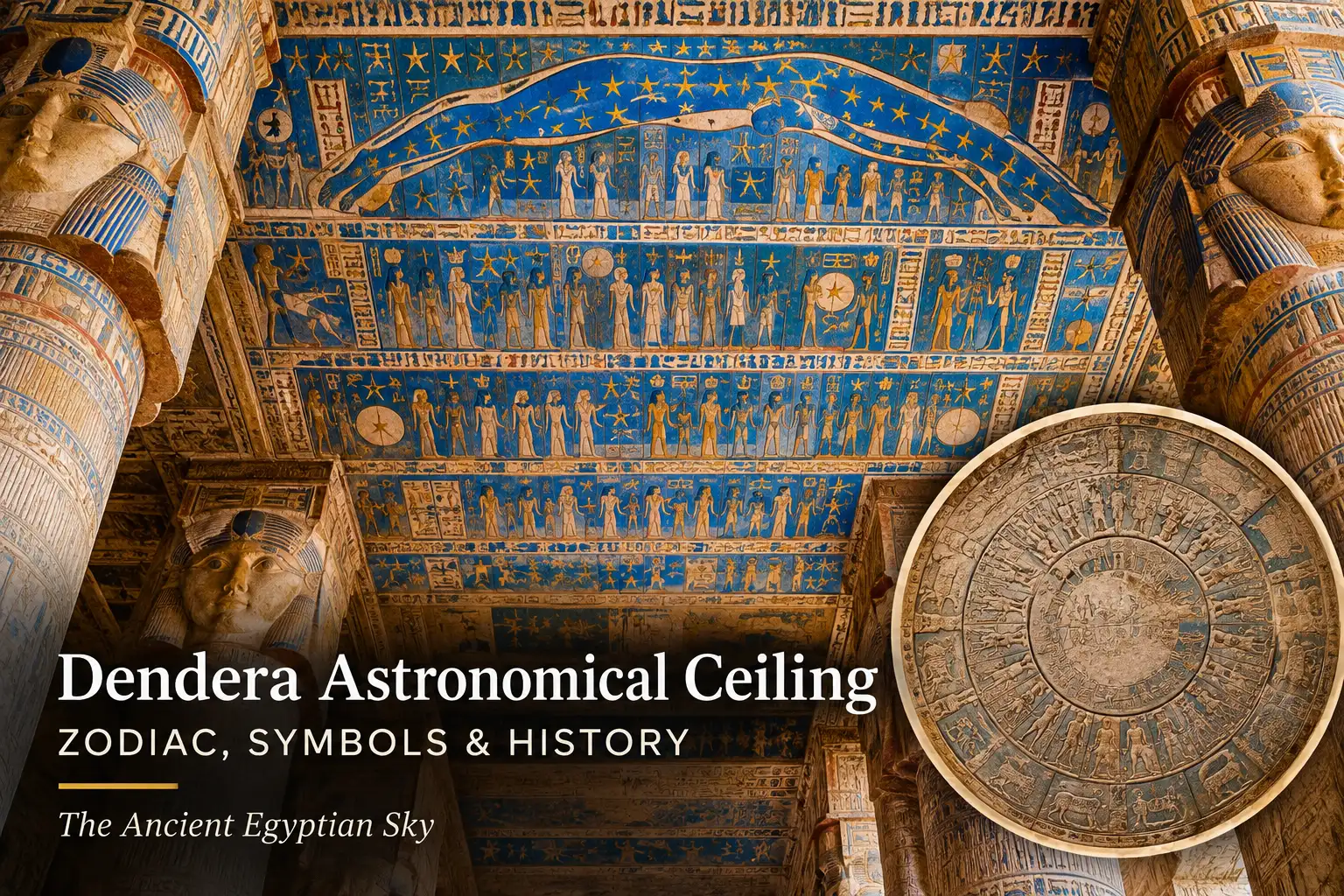
The Dendera astronomical ceiling is one of the most remarkable surviving examples of how ancient Egyptians pictured the heavens. Inside the Temple of Hathor at Dendera, beautifully carved and painted scenes show constellations, planets, celestial gods and symbols connected with the passage of time. Some are familiar to us today. Others belong to a distinctly Egyptian understanding of the universe.
Among these decorations is the famous Dendera Zodiac, a circular relief created around 50 BCE that combines Egyptian astronomical traditions with the twelve zodiac constellations known from the ancient Mediterranean world. The original relief now belongs to the Louvre Museum in Paris, but its former location can still be visited at Dendera.
c. 50 BCE
Circular zodiac created
Qena
Temple of Hathor, Upper Egypt
Room 325
Louvre, Sully Wing: the original zodiac
EGP 300
Foreign adult ticket
What often surprises visitors is that the circular zodiac is only one part of the story. The temple also preserves an extensive astronomical ceiling in its great columned hall, where ancient artists represented the sky using gods, stars and carefully arranged celestial figures.
To understand these images, we need to look at the temple itself, the religious beliefs behind its decoration and the role astronomy played in ancient Egyptian life.
What Is the Dendera Astronomical Ceiling?
The Dendera astronomical ceiling is a series of carved and painted celestial scenes decorating the Temple of Hathor in Dendera, near Qena in Upper Egypt.
The artwork includes zodiac constellations, Egyptian star groups, images of planets and representations of deities associated with the sky. Together, these elements express the ancient Egyptian relationship between heavenly movements, religious beliefs and the organisation of time.
Unlike a modern astronomical chart, the ceiling was not designed simply to show where stars appear in the sky. It belongs to a religious monument, where the natural world and divine order were understood as closely connected.
The Egyptian Ministry of Tourism and Antiquities identifies Dendera’s astronomical ceiling decorations as one of the temple’s most distinctive features.
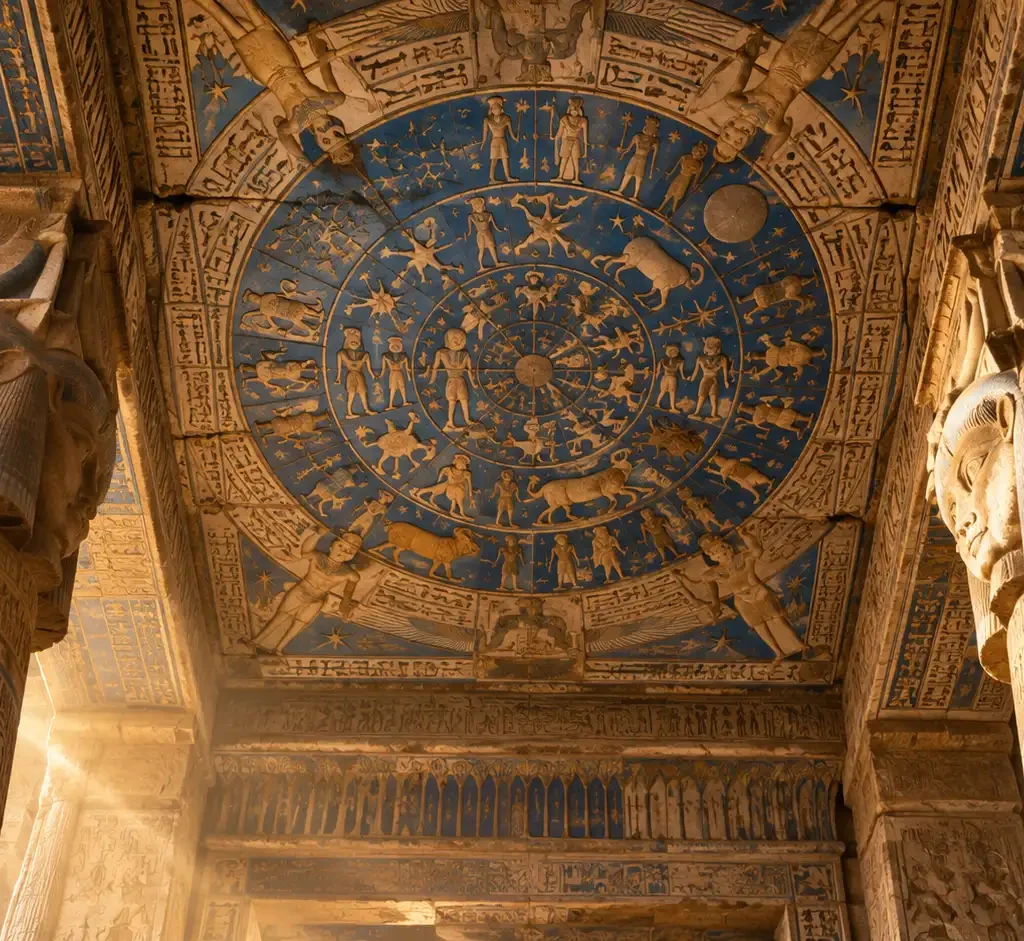
To appreciate the ceiling properly, it helps to distinguish its two best-known astronomical compositions: the rectangular ceiling in the temple’s great entrance hall and the circular zodiac originally located in a rooftop chapel dedicated to Osiris.
The rectangular ceiling
Found in the great entrance hall. Painted with celestial figures, zodiac signs and images of the sky.
The circular zodiac
Once placed in a rooftop chapel of Osiris. Carved in sandstone, now in the Louvre, with a replica at Dendera.
Where Is the Dendera Astronomical Ceiling Located?
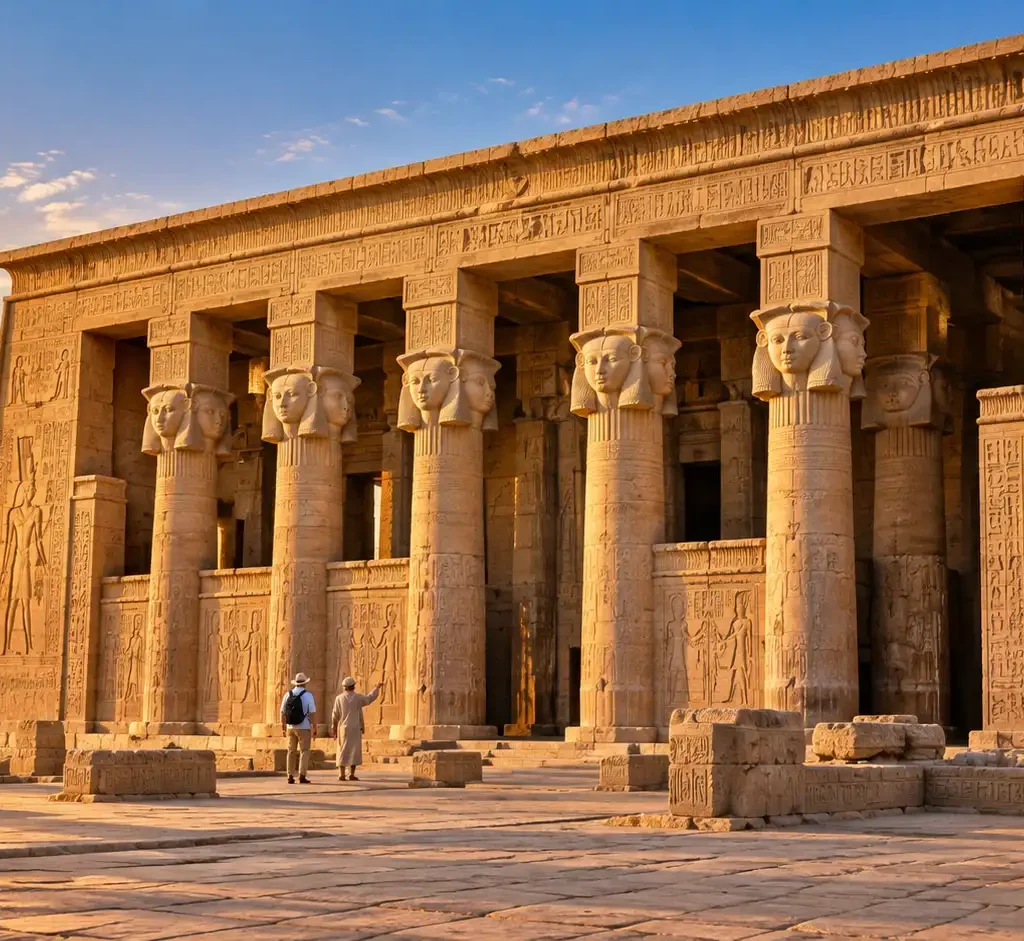
The astronomical ceiling is found at the Temple of Hathor, the principal monument within the Dendera Temple Complex.
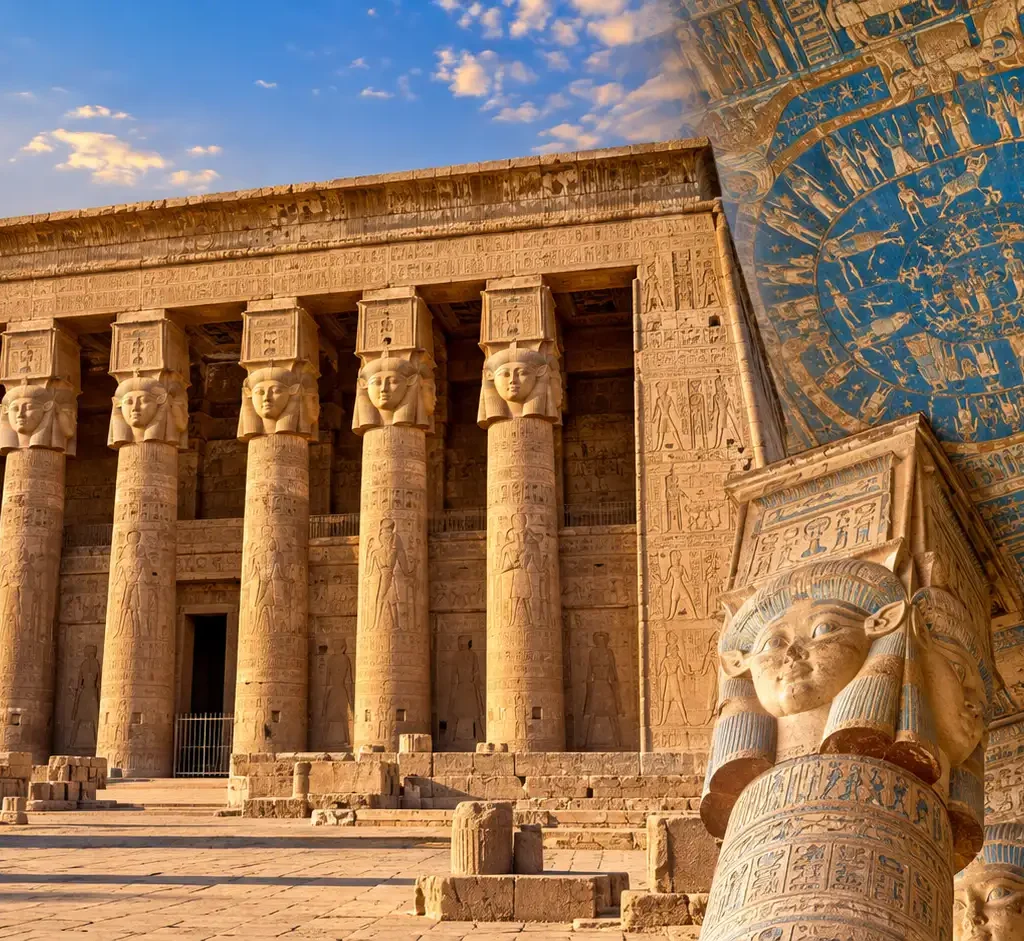
Dendera lies near the city of Qena, north of Luxor, and was one of ancient Egypt’s most important centres for the worship of Hathor.
Hathor was associated with music, joy, motherhood and the sky. Her importance at Dendera is visible throughout the temple, especially in the enormous columns topped with her distinctive face.
The surviving temple was constructed and decorated mainly during the Ptolemaic and Roman periods. However, the religious history of the site stretches much further back. The Ministry of Tourism and Antiquities identifies evidence of earlier activity dating to the Old Kingdom, including the reign of Pepy I.
The astronomical decorations appear in two especially important places.
The great columned hall
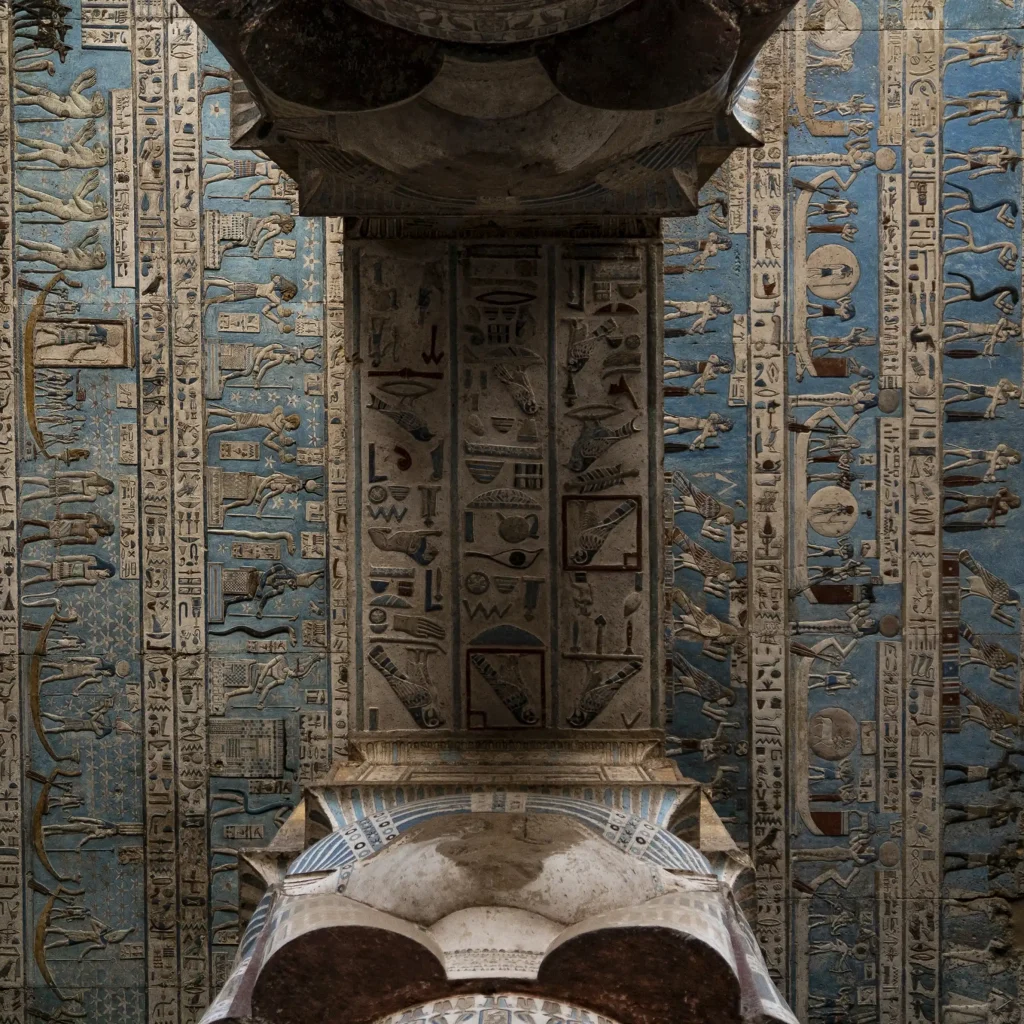
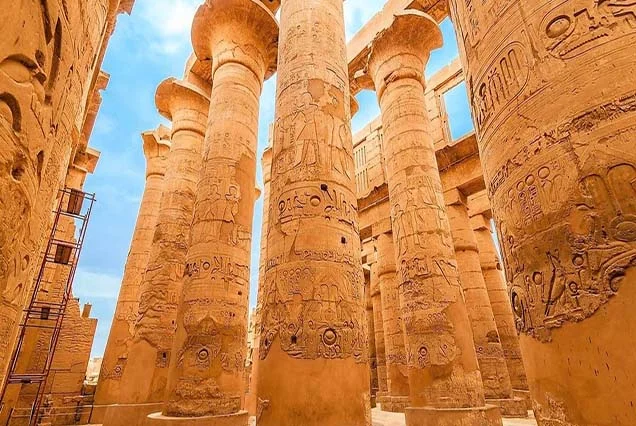
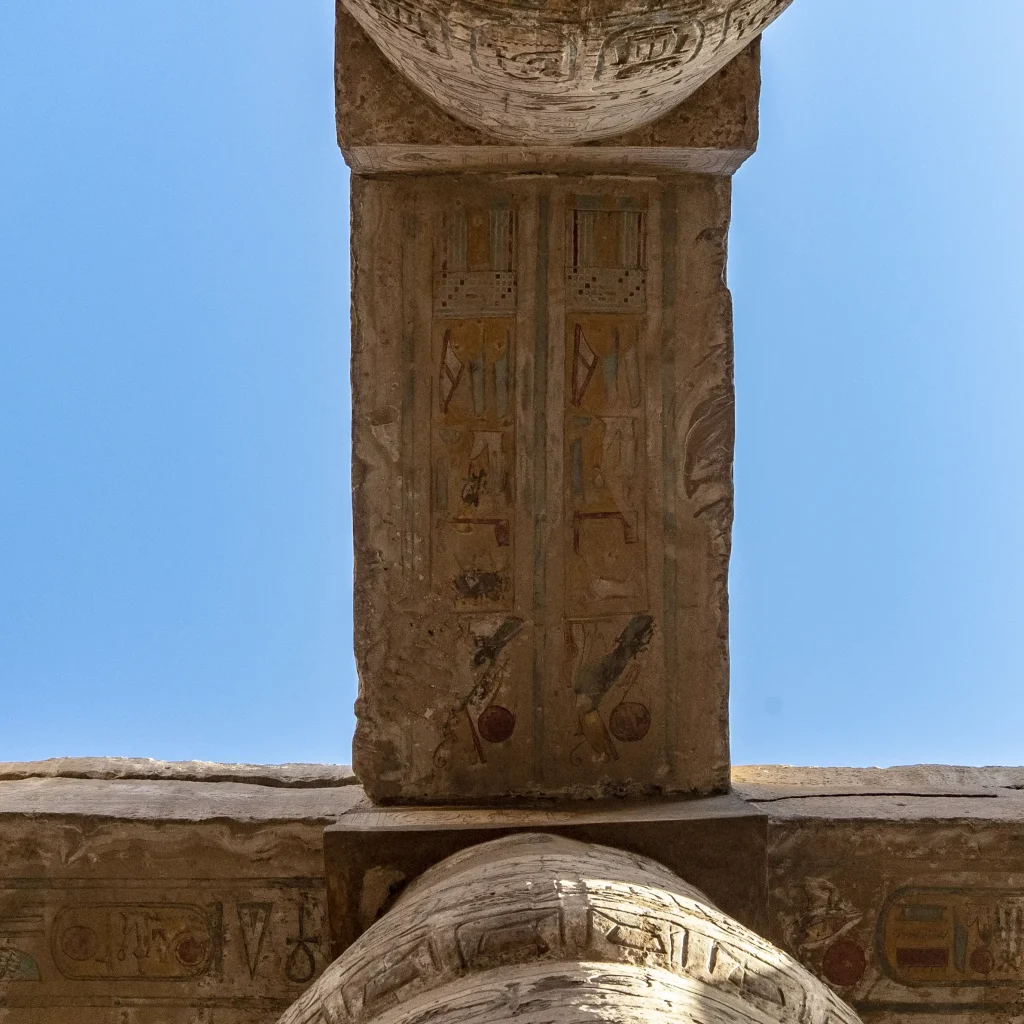
The great entrance hall, also known as the pronaos or outer hypostyle hall, contains extensive astronomical scenes arranged across the ceiling.
These include celestial figures, zodiac signs and representations of the sky. The painted reliefs form part of a larger decorative programme covering the hall’s ceilings, columns and walls.
This is where visitors encounter some of the temple’s most impressive surviving astronomical artwork.
The rooftop Osiris chapel
The second important location is a chapel dedicated to Osiris on the temple’s roof.
This chapel originally contained the circular Dendera Zodiac, carved into a sandstone ceiling slab.
The original was removed in the nineteenth century and taken to France. A replica can now be seen at its former location at Dendera, subject to rooftop access.
The Dendera Zodiac: A Circular Representation of the Heavens
The Dendera Zodiac is probably the most internationally recognised astronomical object associated with the temple.
Carved in sandstone and measuring approximately 2.55 metres by 2.53 metres, the relief shows a circular arrangement of celestial figures surrounded by human and divine supporters.
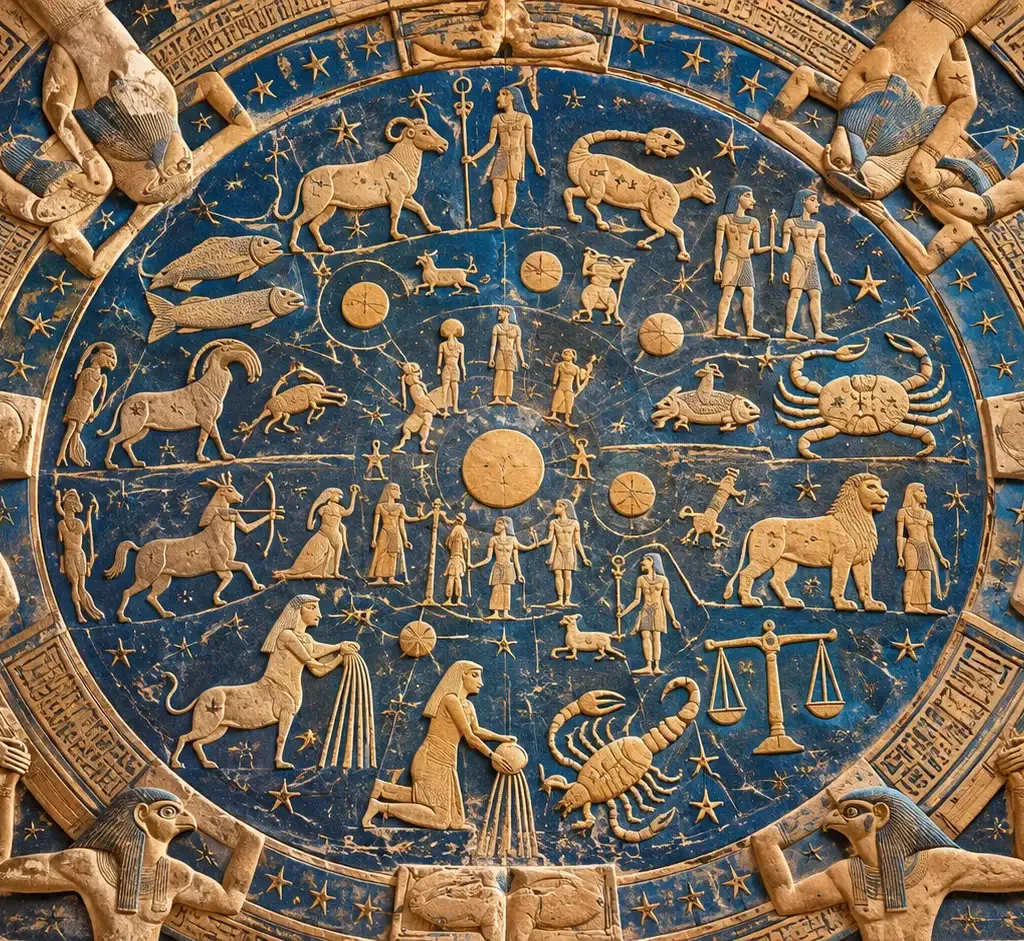
At its centre are representations of zodiac constellations and other astronomical symbols. Around them appear Egyptian figures connected with the heavens and timekeeping.
The composition is unusual because it brings together different astronomical traditions within one artwork.
Ancient Egyptian astronomy had developed long before the Ptolemaic period. Egyptian priests observed stars, followed recurring celestial cycles and used astronomical knowledge in connection with calendars and religious practices.
By the time the circular zodiac was created, Egyptian astronomical traditions had come into contact with the zodiac system transmitted through Babylonian and Greek astronomy.
The result was not a straightforward copy of a Greek star chart. It was an Egyptian religious composition that incorporated these wider astronomical ideas.
The Louvre dates the circular Dendera Zodiac to approximately 50 BCE, during the reign of Cleopatra VII and Ptolemy XIII.
To see how the signs, decans and planets work together, read our full guide to the Dendera Calendar.
What Do the Symbols on the Dendera Astronomical Ceiling Mean?
At first glance, the astronomical decorations can seem difficult to interpret. Human figures stand beside animals, gods appear among constellations, and different celestial symbols are arranged across elaborate panels.
These figures belonged to a visual language familiar to the temple’s priests and artists.
Understanding several important elements makes the ceiling easier to appreciate.
1. Nut, the goddess of the sky
Nut was one of the principal sky deities in ancient Egyptian religion.
She was often represented as a woman whose body stretched across the heavens. In Egyptian religious imagery, her body could symbolise the sky itself.
The daily movement of the sun was associated with ideas of birth, disappearance and renewal, while the recurring appearance of stars was part of the wider natural order.
At Dendera, representations of sky deities such as Nut connect the astronomical ceiling with these religious concepts.
The imagery was therefore meaningful on more than one level. It showed celestial phenomena while also presenting a divine interpretation of the universe.
2. The twelve zodiac constellations
The circular Dendera Zodiac includes the twelve familiar signs of the zodiac:
Aries, Taurus, Gemini, Cancer, Leo, Virgo, Libra, Scorpio, Sagittarius, Capricorn, Aquarius and Pisces.
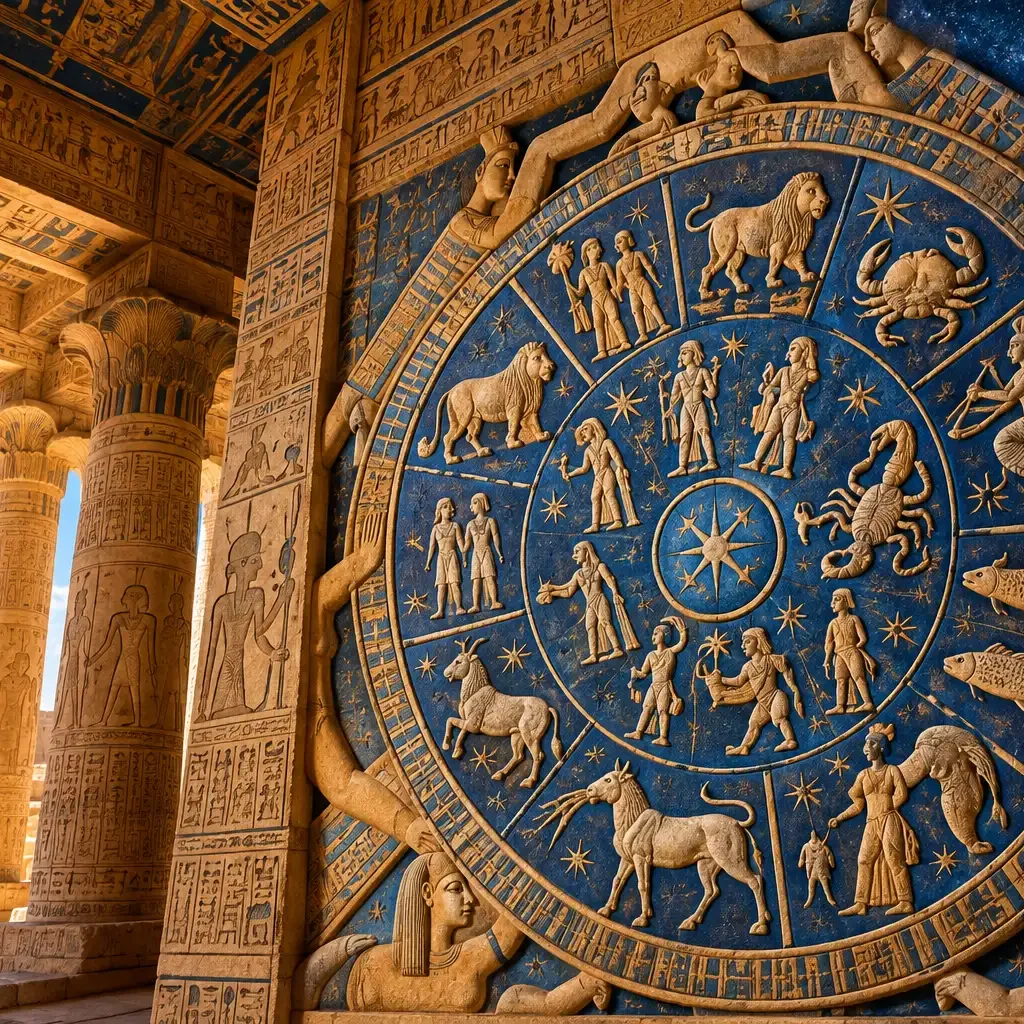
Their appearance reflects the spread of zodiac astronomy into Egypt during the later periods of its ancient history.
The figures are not always represented exactly as they appear in modern zodiac illustrations. They belong to the artistic conventions of the period and share the composition with Egyptian celestial symbols.
The presence of the zodiac should not automatically be interpreted as evidence that the relief functioned like a modern horoscope.
Its original setting was a religious chapel, and its purpose must be considered in that context.
3. The Egyptian decans
Before the twelve-sign zodiac became established in Egypt, Egyptian astronomers had already developed their own systems for observing the stars.
One particularly important tradition involved the decans, groups of stars associated with the division of time.
The conventional system included 36 decans linked to ten-day divisions of the Egyptian year.
Their appearances were also useful in organising the hours of the night.
At Dendera, decanal figures appear alongside other astronomical imagery, reflecting the continued importance of Egyptian celestial traditions during the Greco-Roman period.
This is one reason the temple’s astronomical scenes are so valuable to historians: they preserve evidence of different systems of understanding the sky within the same cultural setting.
4. The planets
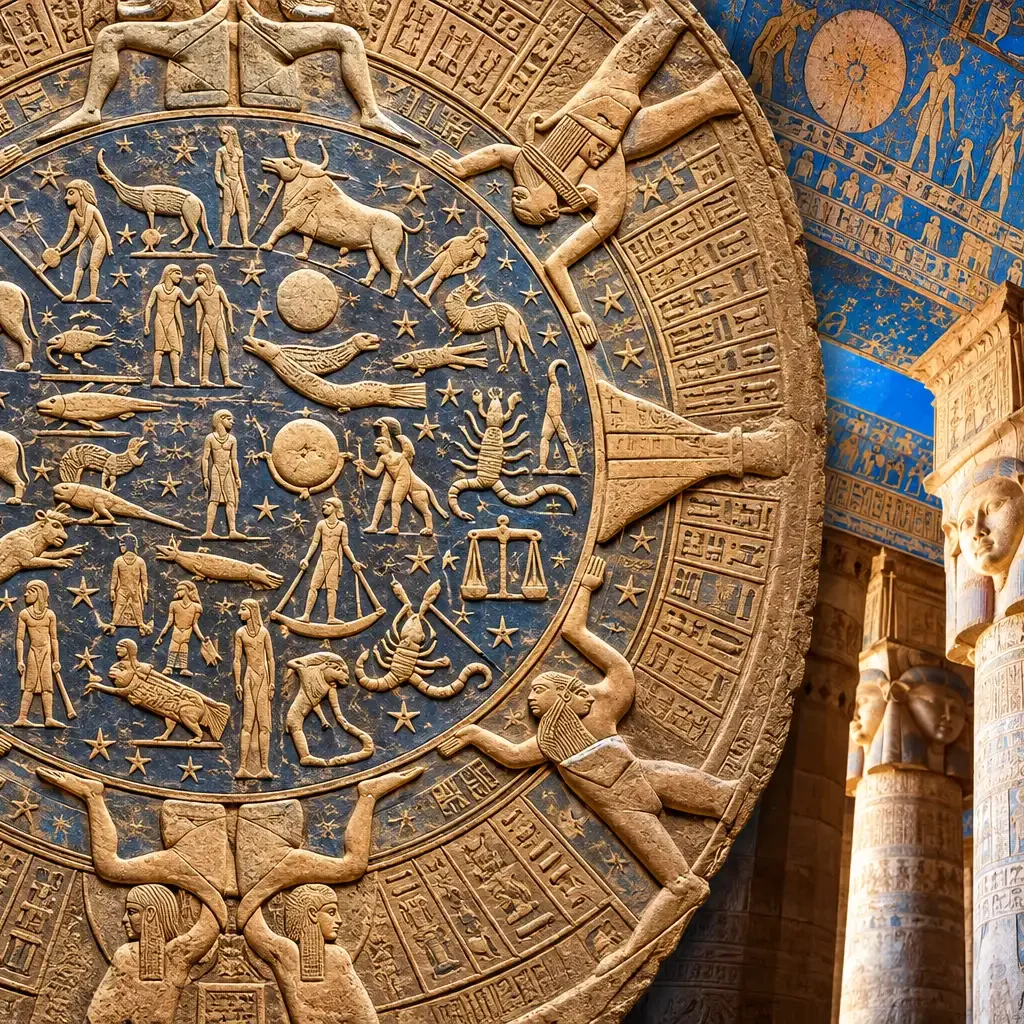
The circular zodiac also includes representations of the five planets known to ancient astronomers through naked-eye observation: Mercury, Venus, Mars, Jupiter and Saturn.
These objects were distinguished from the fixed stars because their positions changed against the background of constellations.
In ancient astronomical and religious traditions, planetary movements could be associated with particular divine figures and symbolic meanings.
Their inclusion makes the Dendera Zodiac more complex than a simple collection of twelve zodiac signs.
5. Solar and lunar eclipses
Another intriguing feature is the presence of imagery interpreted as solar and lunar eclipses.
The Louvre identifies both phenomena in its explanation of the zodiac.
These images have contributed to scholarly discussions about the relief’s date and astronomical significance.
Researchers have proposed connections between the eclipse symbols and events in the first century BCE, although the interpretation of specific planetary positions remains a subject of specialised study.
The safest historical conclusion is that the zodiac preserves meaningful astronomical imagery, not that it demonstrates mysterious or technologically impossible knowledge.
Circular and Rectangular Dendera Zodiac: What Is the Difference?
The term Dendera Zodiac is sometimes used without distinguishing between the temple’s two most famous astronomical compositions.
They share several themes, but they are not the same artwork.
Circular zodiac
- Original location: Rooftop Osiris chapel
- Design: Circular composition
- Period: Late Ptolemaic
- Imagery: Zodiac constellations, decans, planets
- Today: Original in the Louvre
- In Egypt: A replica, subject to access
Rectangular ceiling
- Original location: Great columned entrance hall
- Design: Long ceiling registers and panels
- Period: Roman-period decoration
- Imagery: Celestial deities, zodiac figures and astronomical cycles
- Today: Original at Dendera Temple
- In Egypt: Yes, visible in the hall
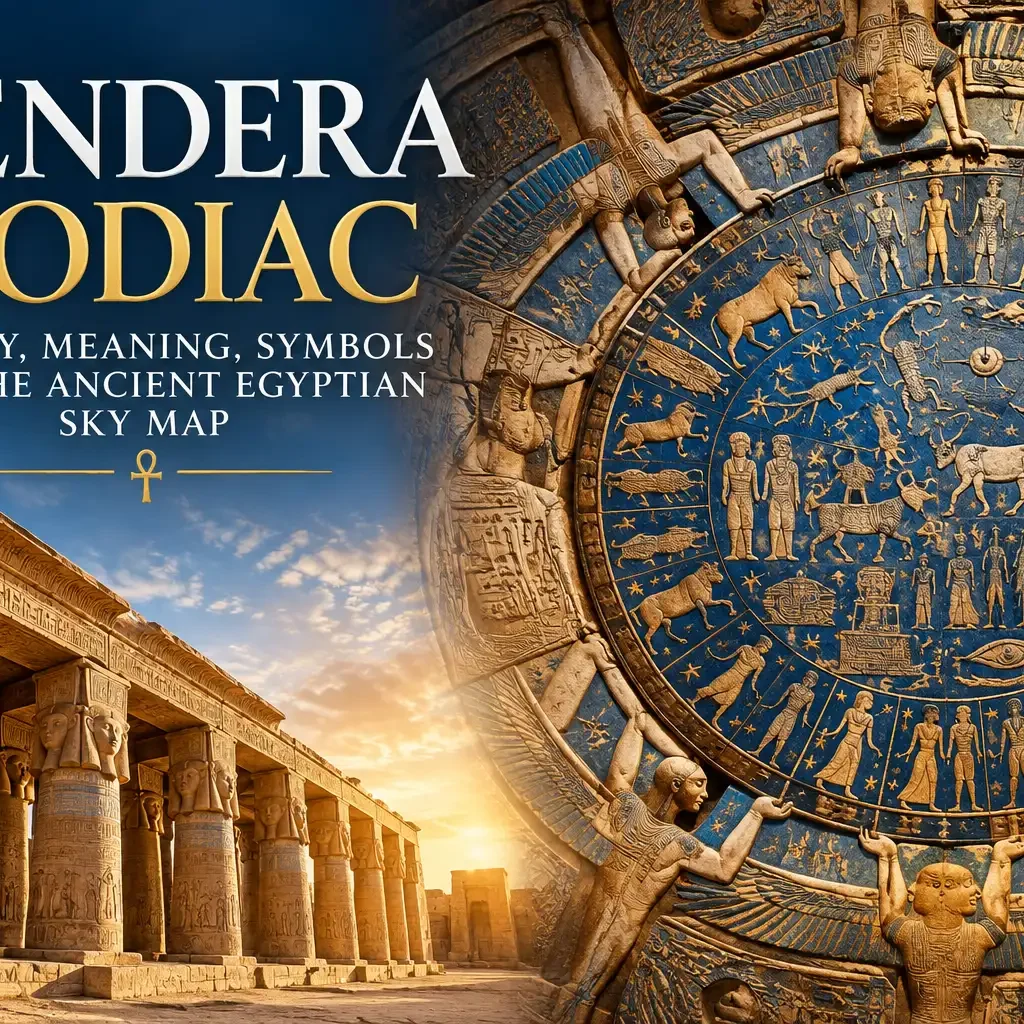
The rectangular ceiling is especially rewarding for visitors because it survives within the architecture for which it was created.
You can see how the astronomical figures relate to the surrounding columns, religious scenes and temple spaces.
The circular zodiac, meanwhile, offers an unusually compact representation of the heavens that became famous far beyond Egypt.
When Was the Dendera Astronomical Ceiling Created?
The Dendera astronomical decorations were not all produced at the same time.
The circular zodiac dates to approximately 50 BCE, during the late Ptolemaic period.
The large astronomical programme in the entrance hall belongs to later Roman-period work at the temple.
This chronological difference reflects the long history of the building.
Construction and decoration continued as political control of Egypt passed from the Ptolemaic dynasty to Rome, while many aspects of Egyptian religious practice and temple art remained in use.
These ceilings are therefore important not only for the history of astronomy but also for understanding how Egyptian traditions continued to develop during periods of foreign rule.
Research has also examined their relationship with Egyptian concepts of time. In her University of Memphis thesis, Andrea Louise Middleton interprets the circular and rectangular ceilings in connection with cyclical and enduring time. This is a scholarly interpretation, rather than a single established explanation of every scene.
Why Did Ancient Egyptians Decorate Temple Ceilings with Stars?
The placement of astronomical scenes on temple ceilings was not accidental.
In Egyptian temple architecture, the ceiling could represent the heavens above the earthly world.
Decorating it with stars, sky deities and celestial figures brought the natural and divine cosmos into the sacred building.
The movement of heavenly bodies was also closely connected with the measurement of time.
The sun marked the passage of days and seasons. The moon helped structure religious and calendrical cycles. Stars, including the decans, played roles in nighttime observation.
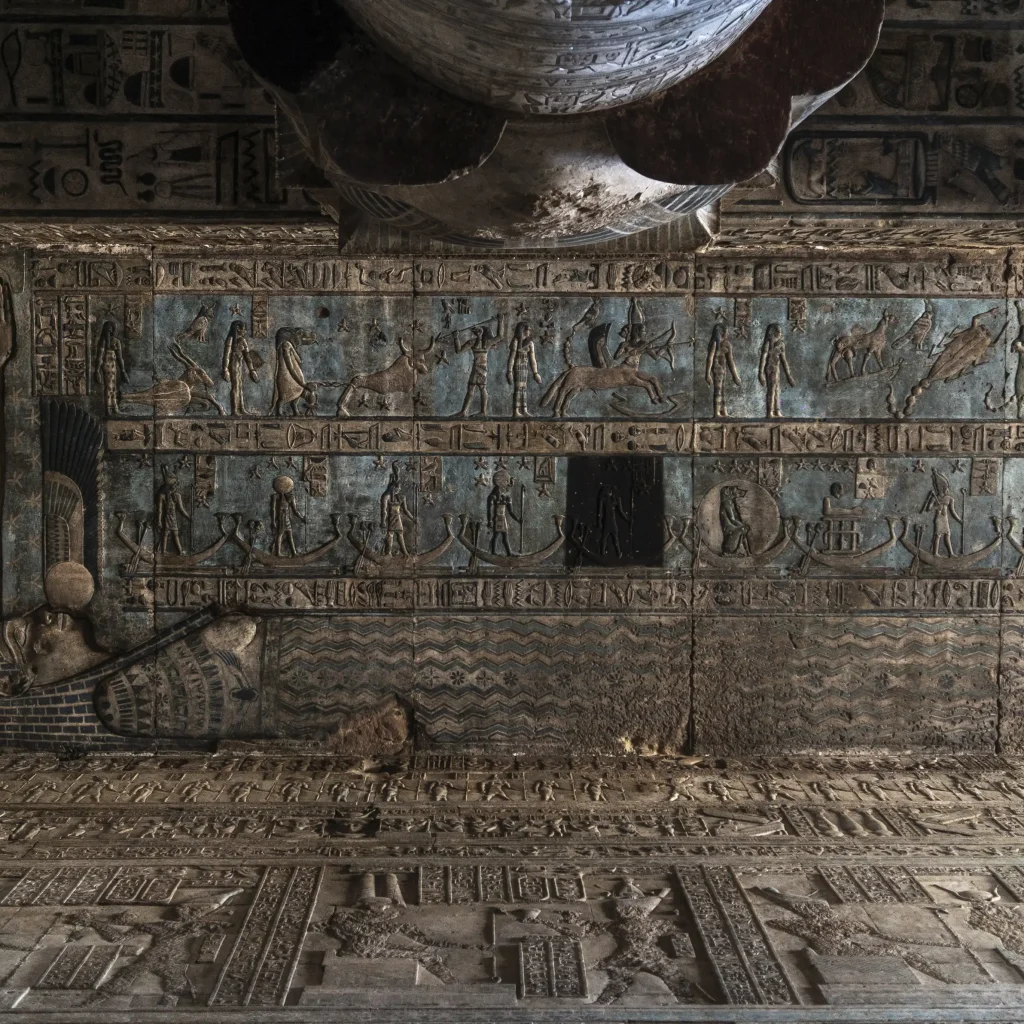
These recurring patterns could be understood religiously as manifestations of order and renewal.
At Dendera, astronomy, temple ritual and religious imagery were closely connected.
The ceiling should therefore be understood neither as a purely scientific document nor as decoration without meaning. It belongs to a tradition in which observation and religious interpretation could exist together.
Where Is the Original Dendera Zodiac Today?
The original circular Dendera Zodiac is held by the Louvre Museum in Paris.
According to the Louvre’s collection catalogue, the relief is displayed in Room 325 of the Sully Wing, Level 0.
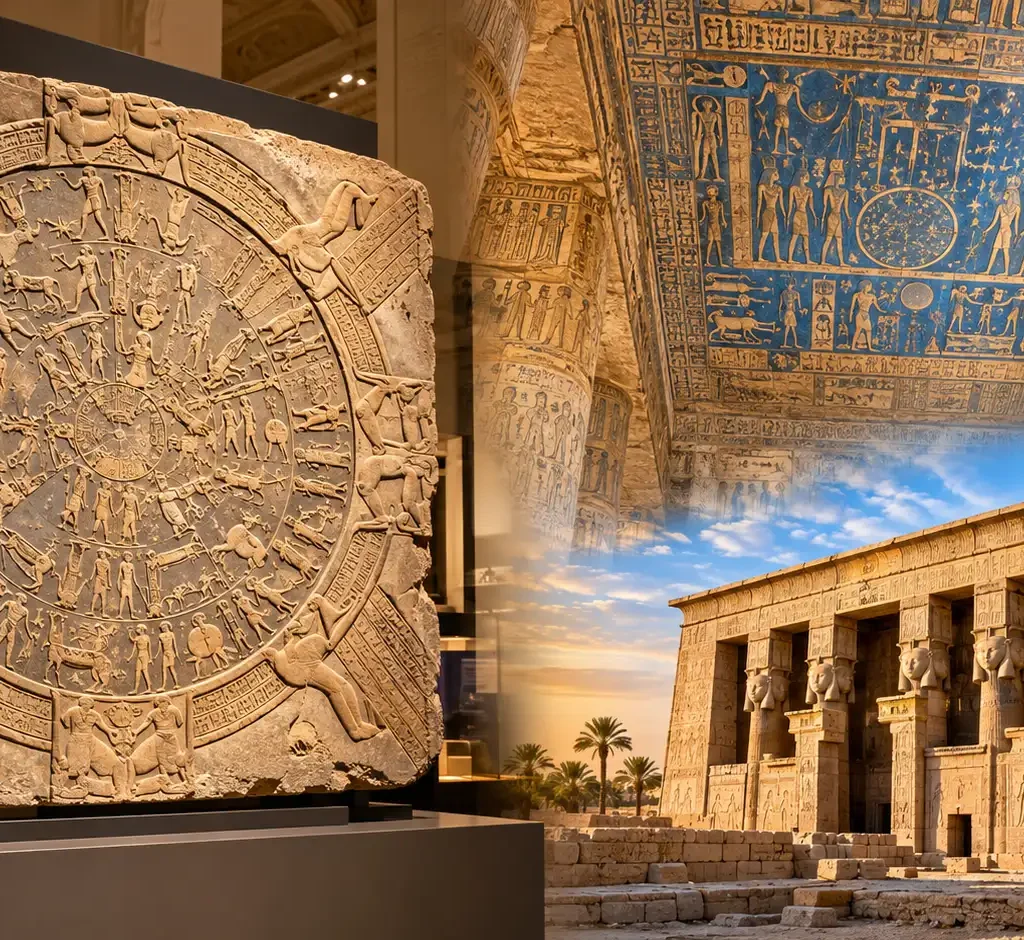
Its journey from Egypt to France began in the early nineteenth century.
| 1799 | Members of Napoleon’s Egyptian expedition document the zodiac and bring it to wider European attention. |
| 1821 | The relief is removed from the Temple of Hathor following authorisation from Muhammad Ali, then ruler of Egypt. |
| 1822 | After arriving in France, it is purchased by King Louis XVIII. |
| 1919 | After time in different collections, the zodiac returns to the Louvre, where it remains today. |
Its removal forms part of the wider history of Egyptian antiquities entering European collections during the nineteenth century.
For modern visitors, the two locations offer different experiences: the original circular relief can be studied in Paris, while Dendera provides the temple setting and surviving astronomical decorations.
Can You Still See the Astronomical Ceiling at Dendera?
Absolutely. Much of the temple’s astronomical decoration remains in Egypt.
The ceiling in the great columned hall is among the most impressive parts of a visit.
Walking into the hall, you are surrounded by enormous Hathor-headed columns, painted reliefs and an extensive ceiling decorated with celestial imagery.
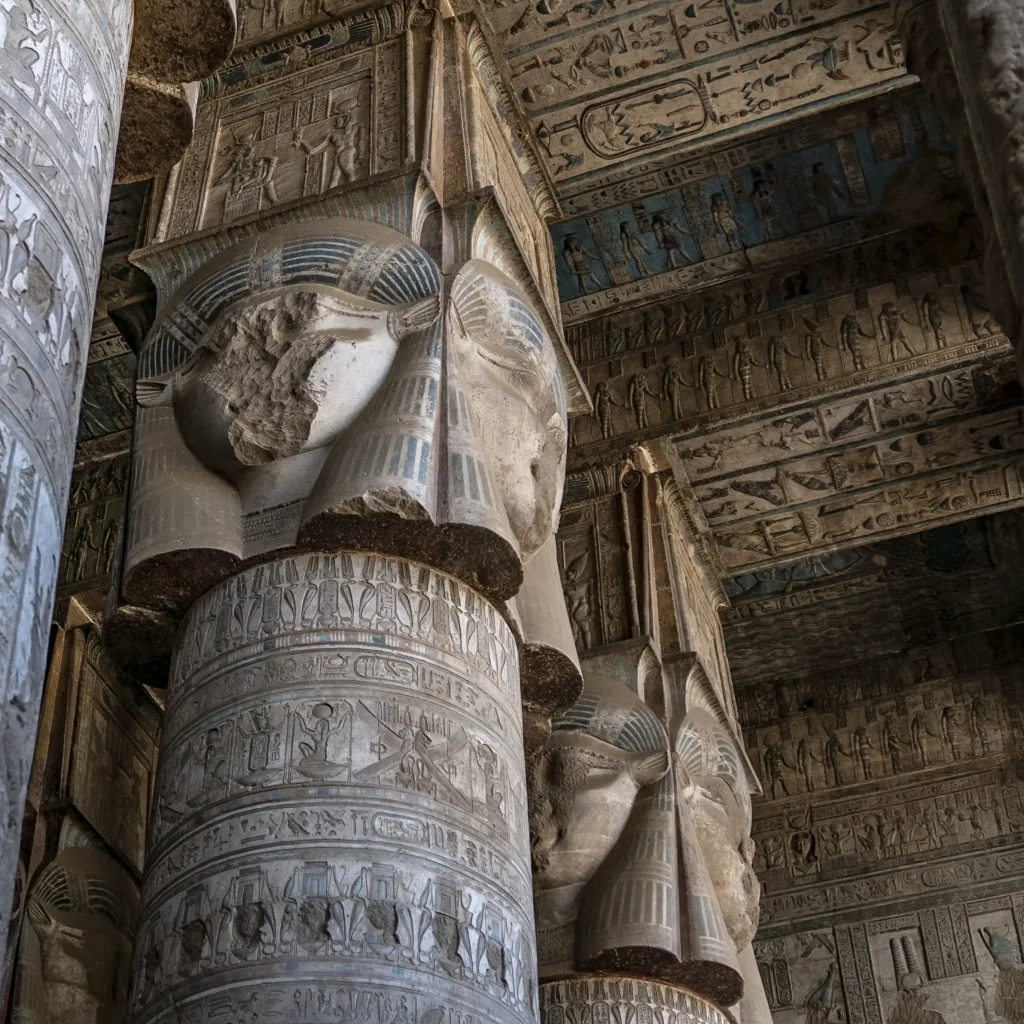
Restoration has made many painted details easier to distinguish, including blue backgrounds, figures and astronomical symbols.
The Ministry of Tourism and Antiquities has documented conservation work at the temple, including restoration of the columned hall and its decorative elements.
What makes the experience particularly interesting is the setting.
The astronomical scenes were not originally museum objects arranged for visitors. They were part of a working religious building, surrounded by spaces used for ceremonies, offerings and sacred processions.
Seeing them within this architectural context adds an important dimension to their meaning.
See the sky of ancient Egypt in person
Private Dendera tours from Luxor, with an Egyptologist guide and temple admission.
Visiting Dendera Temple from Luxor
Dendera is a worthwhile excursion for travelers staying in Luxor, particularly those interested in Egyptian religious history, astronomy and temple decoration.
Unlike the Valley of the Kings, where much of the attention naturally falls on royal tombs, Dendera provides an opportunity to examine a major temple’s detailed astronomical programme.
The complex is also known for its well-preserved architecture, Hathor-headed columns, crypts and religious reliefs. Many travelers pair it with Abydos in one comfortable day, as described in our guide to Dendera and Abydos from Luxor.
Practical visitor information
| Location | Dendera, Qena, Egypt |
| Published regular hours | 7:00 AM – 5:00 PM |
| Foreign adult ticket | EGP 300 |
| Foreign student ticket | EGP 150 |
| Temple panorama ticket | EGP 100 |
These are published official prices and regular hours as checked in October 2026. Separate charges may apply to additional areas, including the crypts. Hours may change during Ramadan or for administrative reasons.
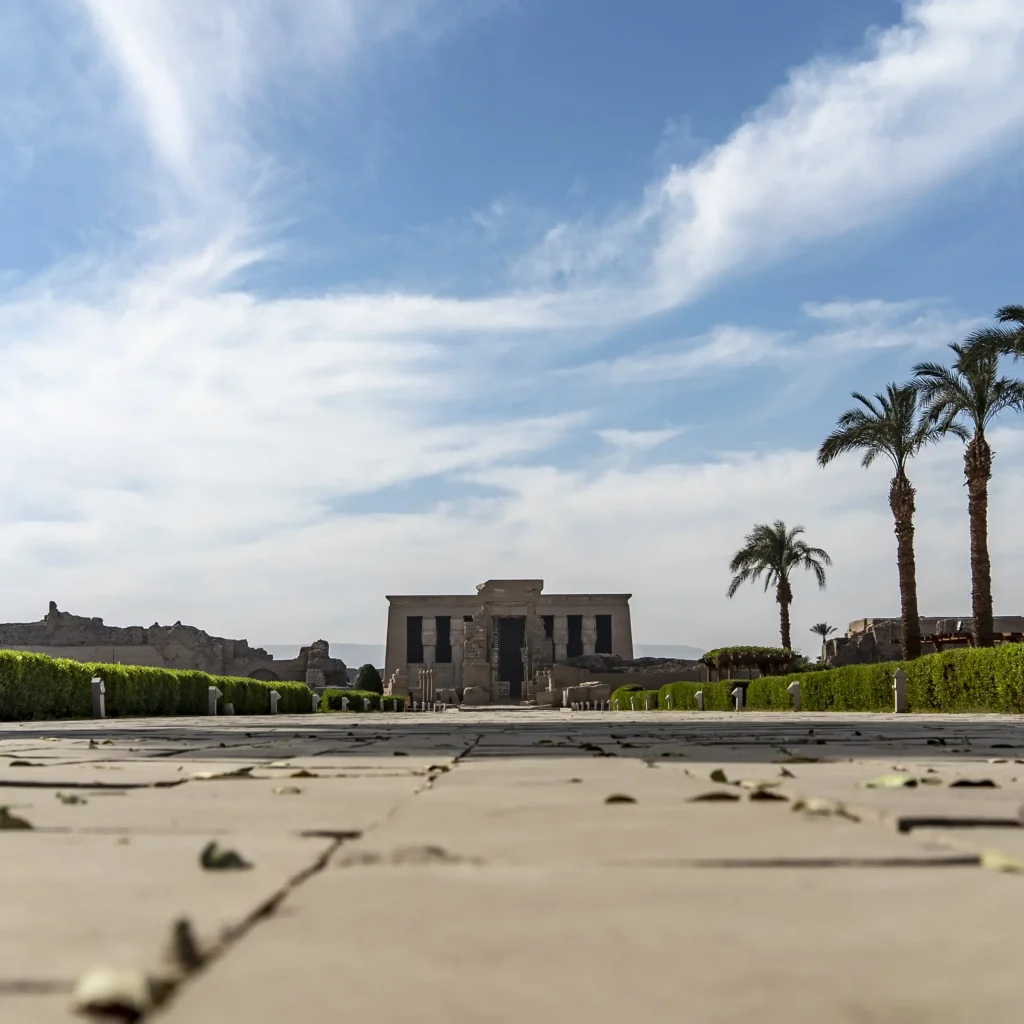
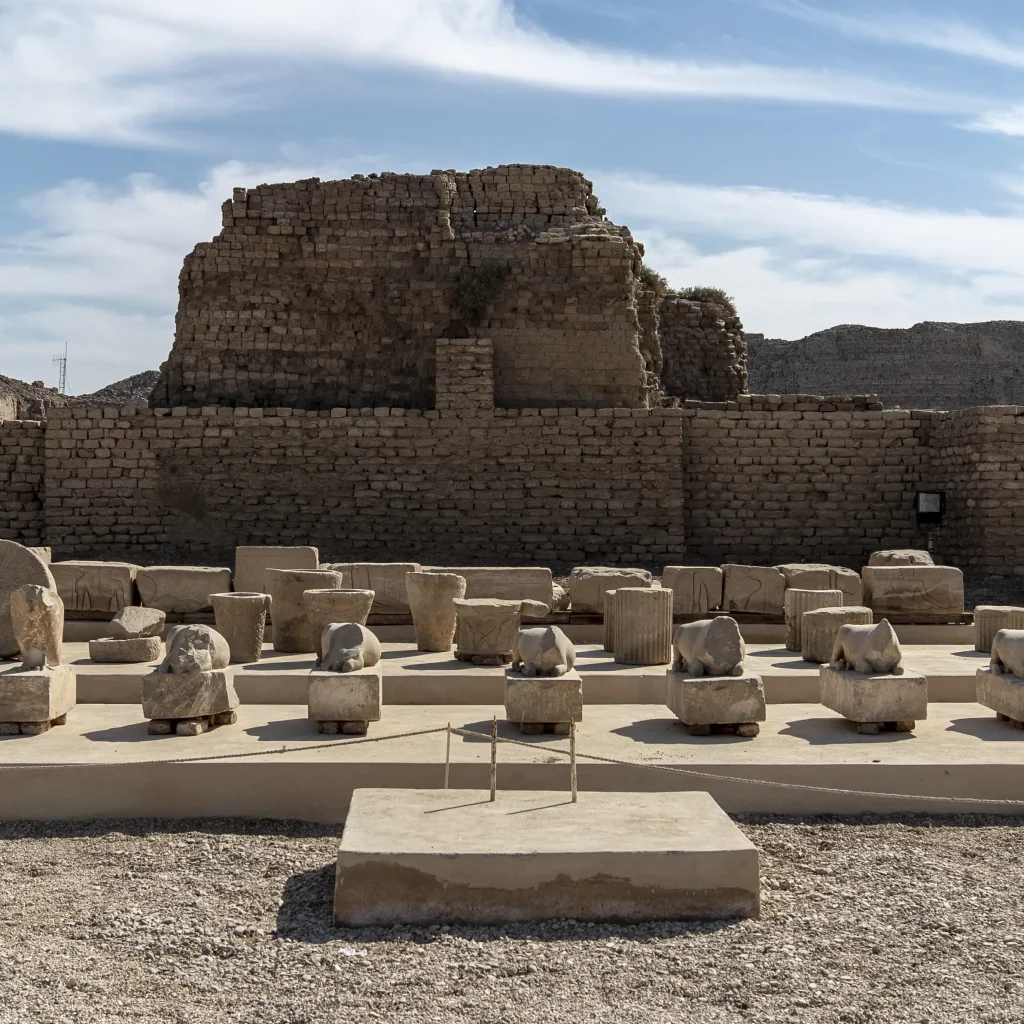
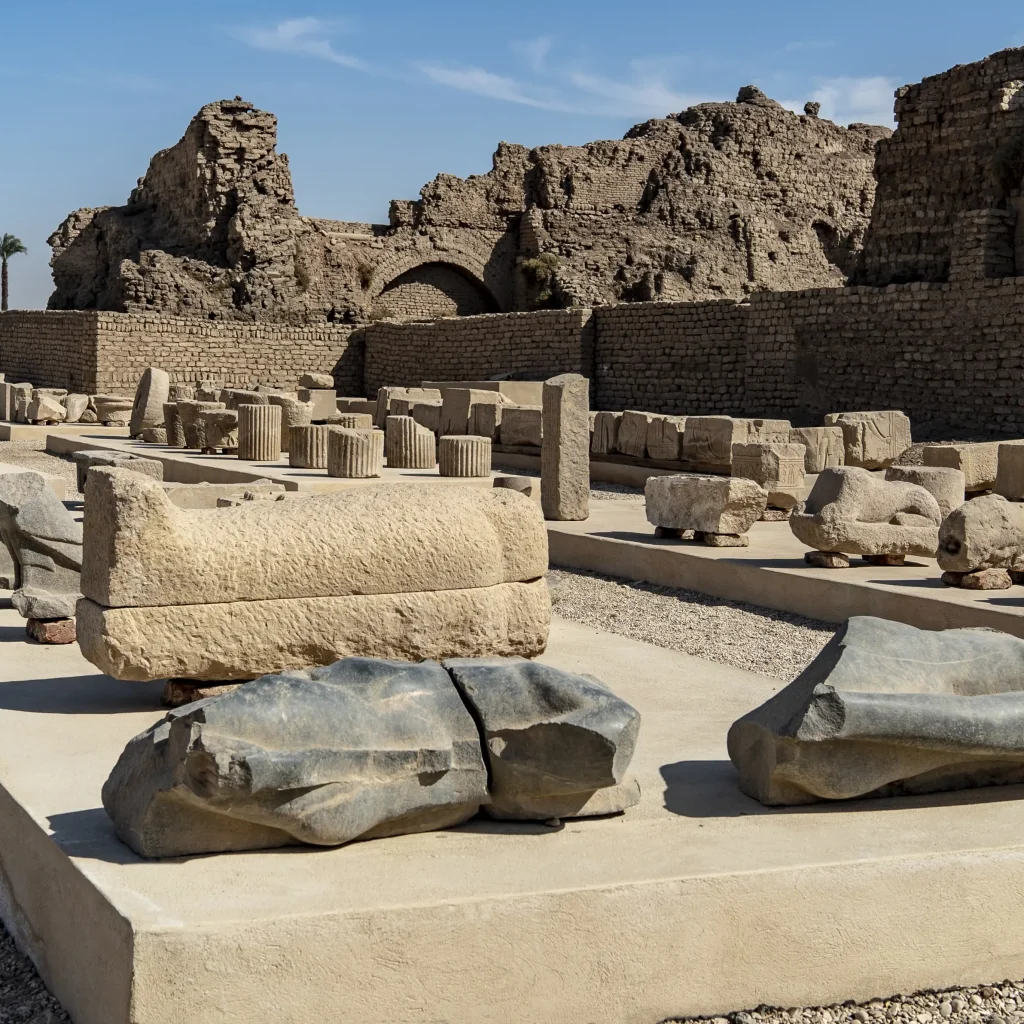
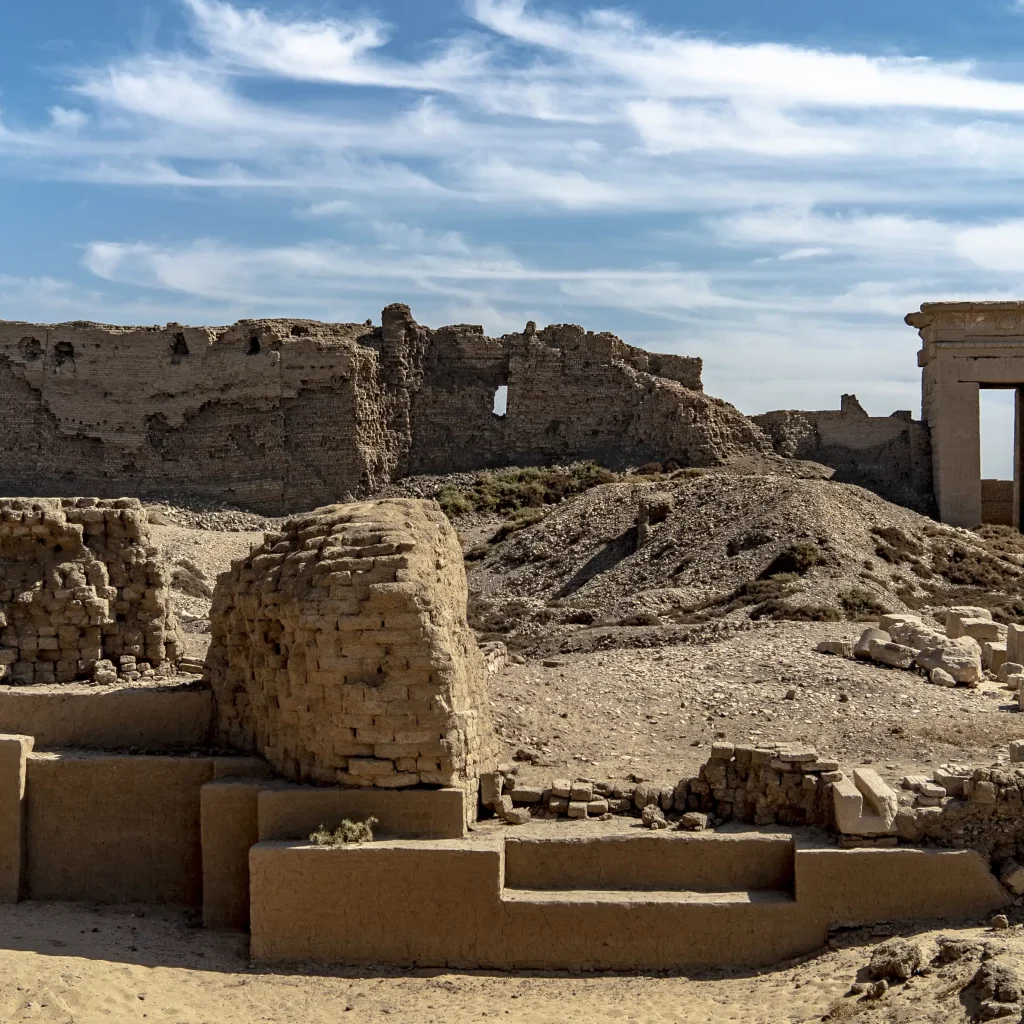
If astronomical imagery is your main interest, spend time in the great columned hall rather than moving quickly through it.
A knowledgeable guide can help identify individual deities, explain the difference between the astronomical panels and connect the imagery with the wider history of the temple.
Visitors interested in seeing the former location of the circular zodiac should also confirm whether the rooftop chapel is accessible on the day of their visit.
Dendera pairs naturally with the rest of your Upper Egypt journey. Plan it alongside our guide to the Luxor West Bank or a visit to Luxor Temple in the heart of the city.
Exploring Dendera with Egypt Luxury Trips
Travelers who want to experience the temple in person can consider the Dendera Temple Half Day Tour from Luxor offered by Egypt Luxury Trips.
Dendera Temple Half Day Tour from Luxor
Focuses on the Temple of Hathor and includes private transportation, an Egyptologist guide and temple admission.
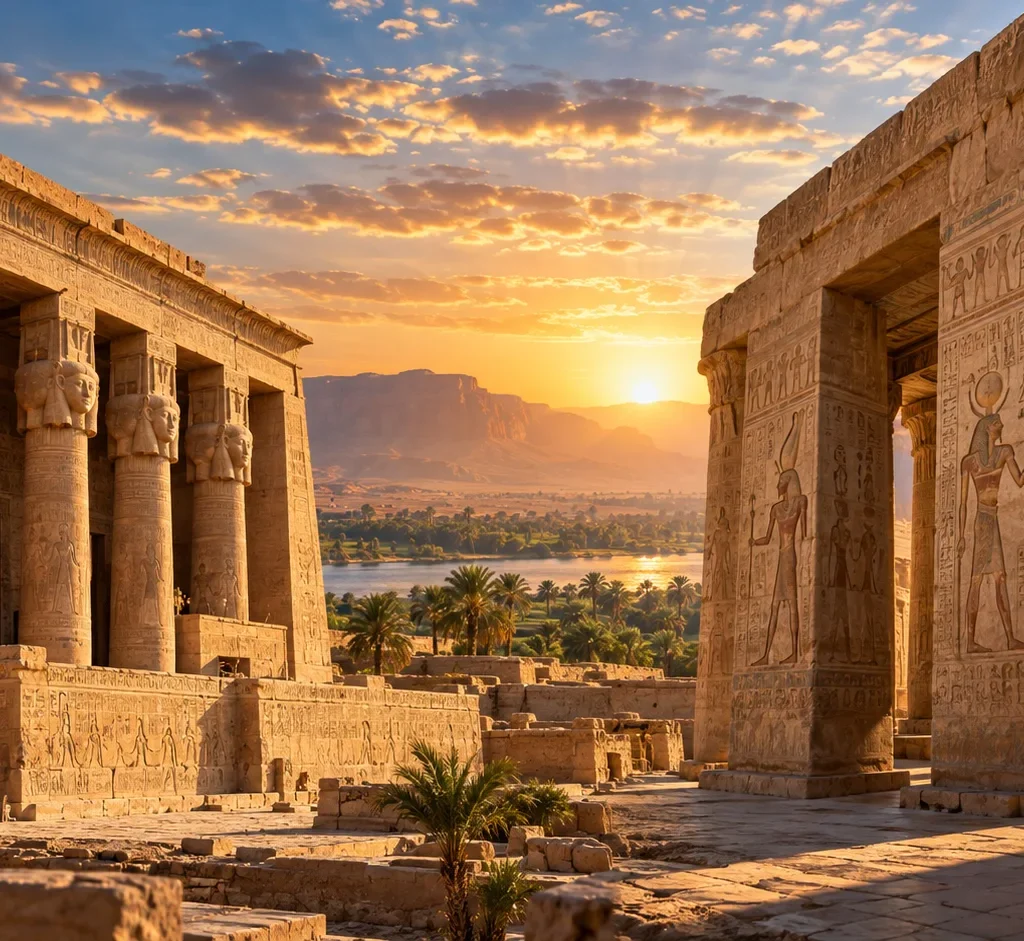
Dendera and Abydos Day Tour from Luxor
Combines Dendera with the Temple of Seti I at Abydos, another important religious site.
For visitors who have more time in Upper Egypt, the Dendera and Abydos Day Tour from Luxor combines Dendera with the Temple of Seti I at Abydos, another important religious site.
Both options provide an opportunity to explore the historical context behind the monuments rather than visiting them only for photographs.
What Travelers Say About Egypt Luxury Trips
Read recent reviews from guests who explored Upper Egypt with us, shared on Tripadvisor.


Frequently Asked Questions About the Dendera Astronomical Ceiling
What is the Dendera astronomical ceiling?
The Dendera astronomical ceiling consists of carved and painted representations of the heavens inside the Temple of Hathor. Its imagery includes zodiac constellations, Egyptian star groups, planetary figures and sky deities.
How old is the Dendera Zodiac?
The original circular Dendera Zodiac dates to approximately 50 BCE, making it more than 2,000 years old.
Is the Dendera Zodiac connected to Cleopatra?
Yes, chronologically. The circular zodiac was created during the reign of Cleopatra VII. However, there is no confirmed evidence that Cleopatra personally designed or commissioned the relief.
What is the difference between the circular and rectangular Dendera zodiacs?
The circular zodiac originally decorated an Osiris chapel on the temple roof and is now in the Louvre. The rectangular astronomical ceiling forms part of the entrance hall and remains at Dendera.
Why is the original Dendera Zodiac in the Louvre?
The relief was removed from Egypt in 1821 and taken to France following authorisation from Muhammad Ali. It was purchased by Louis XVIII in 1822 and is now part of the Louvre’s Egyptian antiquities collection.
Does the Dendera Zodiac show all twelve zodiac signs?
Yes. The circular zodiac includes the twelve constellations associated with the classical zodiac, together with Egyptian astronomical figures and other celestial imagery.
What do the Egyptian decans represent?
Decans were groups of stars used in ancient Egyptian systems for organising time. They were associated with ten-day periods and played an important role in nighttime timekeeping.
Does the Dendera Zodiac depict eclipses?
Yes. The Louvre identifies representations of a solar eclipse and a lunar eclipse. Researchers have examined these symbols when studying the relief’s astronomical significance and date.
Can visitors see the real astronomical ceiling at Dendera today?
Yes. The original rectangular astronomical decorations survive at the Temple of Hathor. The original circular zodiac is in Paris, but a replica occupies its former location in Egypt.
Is Dendera Temple worth visiting from Luxor?
For travelers interested in ancient Egyptian art, religious symbolism and astronomy, Dendera offers a distinctive experience. Its preserved reliefs and astronomical ceiling provide insights that complement visits to Luxor’s better-known monuments.
Final Thoughts: Looking at the Sky Through Ancient Egyptian Eyes
The Dendera astronomical ceiling offers an unusual glimpse into the intellectual and religious world of ancient Egypt.
Its stars, planets, constellations and divine figures remind us that the people who decorated the temple observed the same heavens we see today, but interpreted them through a very different cultural framework.
The circular zodiac demonstrates the interaction between Egyptian and wider Mediterranean astronomical traditions. The rectangular ceiling, still visible at Dendera, preserves that knowledge within the religious architecture of the Temple of Hathor.
Neither composition should be reduced to a mysterious ancient star map. Their real significance lies in what they reveal about the relationship between observation, religion and time in the ancient world.
If you are planning a journey through Upper Egypt, Dendera deserves a place on your itinerary. The temple’s astronomical ceiling is one of those rare historical features best understood by standing beneath it and looking upward.
For assistance planning your visit, you can explore the Dendera Temple Tour from Luxor with Egypt Luxury Trips.
Plan Your Dendera Visit with Egypt Luxury Trips
Tell us your dates and interests, and our team will design your private Dendera or Dendera-and-Abydos excursion from Luxor.
Historical references and further reading
The main historical and archaeological information in this article is supported by the following resources:
- Egyptian Ministry of Tourism and Antiquities — Temple of Dendera
- Louvre Museum — Dendera Zodiac, Collection E 13482
- Louvre Museum — Historical and astronomical interpretation of the zodiac
- Andrea Louise Middleton (2013) — Representations of Time in the Temple of Hathor at Dendera
- Rosalind Park and Bernard Eccles (2012) — Dating the Dendara Zodiac