
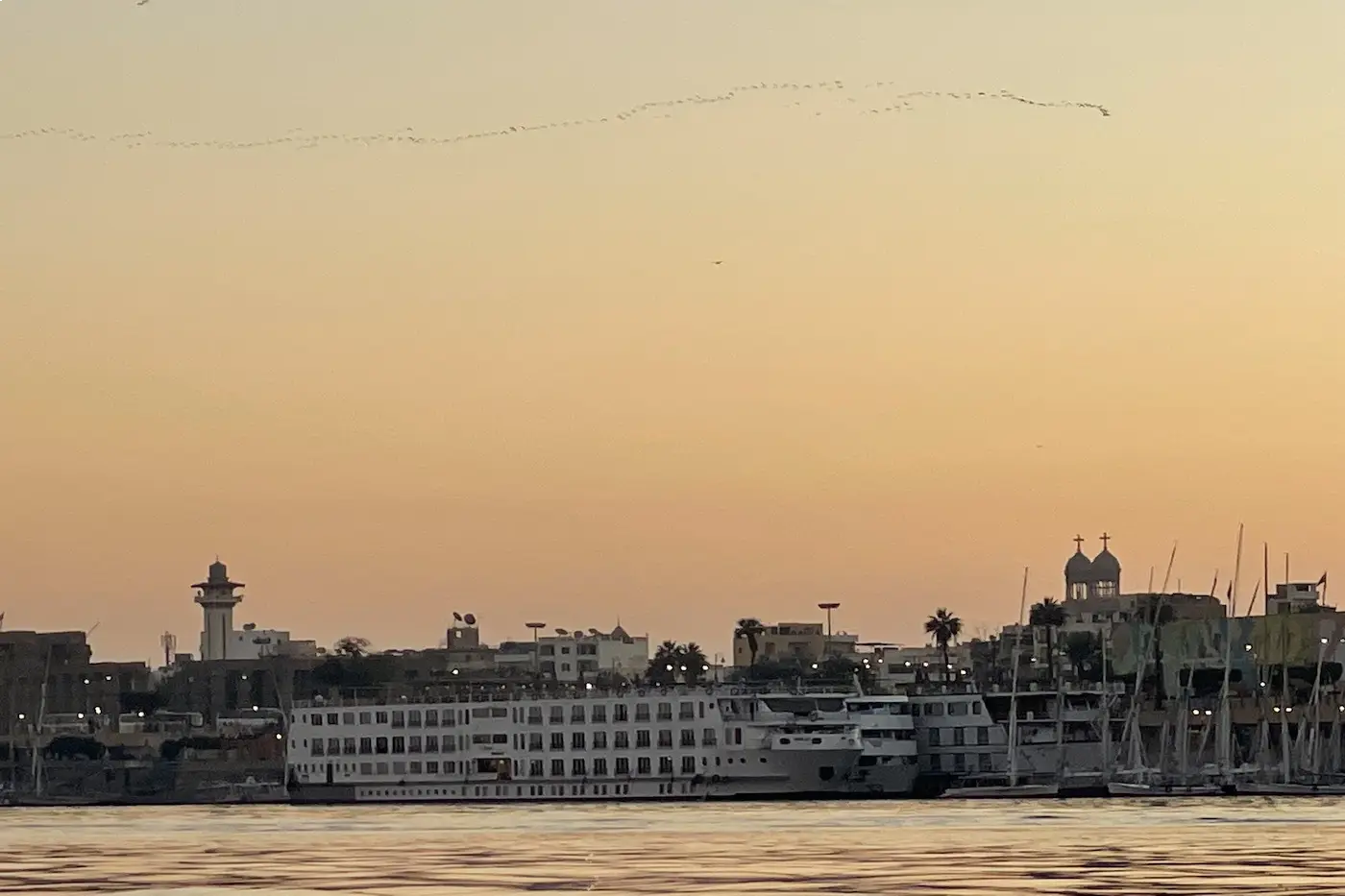
Luxury holidays in Luxor. Bought in hours, not marble.
Start here
Everyone visits Luxor. Very few people get it to themselves.
At half past ten in the morning, the Valley of the Kings belongs to everybody. At seven, it belongs to whoever bothered to get up. That gap — three and a half hours wide — is the whole difference between a Luxor trip and a luxury holiday in Luxor, Egypt.
We’re Egypt Luxury Trips, and we plan this city for travellers arriving from the United States, the United Kingdom, Canada, Australia and across Europe. The question we’re asked most is which hotel is the best one. It’s a fair question, and it’s the second question. The first is what time your day starts, who is standing next to you when you walk into a tomb, and whether anyone is waiting to move you on.
Luxor holds roughly a third of the ancient monuments still standing anywhere in the world, packed into a city you can cross in twenty minutes. That density is a gift and a trap. Handle it well and you get one of the great weeks of your travelling life. Handle it badly and you get temple fatigue by Tuesday afternoon.
Luxury in Luxor is not a thread count. It’s shade, silence, and standing somewhere magnificent before the coaches have finished breakfast.
So this page is a planning document rather than a brochure. It covers where to base yourself, how many days the city actually deserves, what the private version of each site costs you in effort, and where Luxor fits inside a longer luxury Egypt holiday. Where we can confirm something now, we say so. Where it depends on your dates, we say that too.
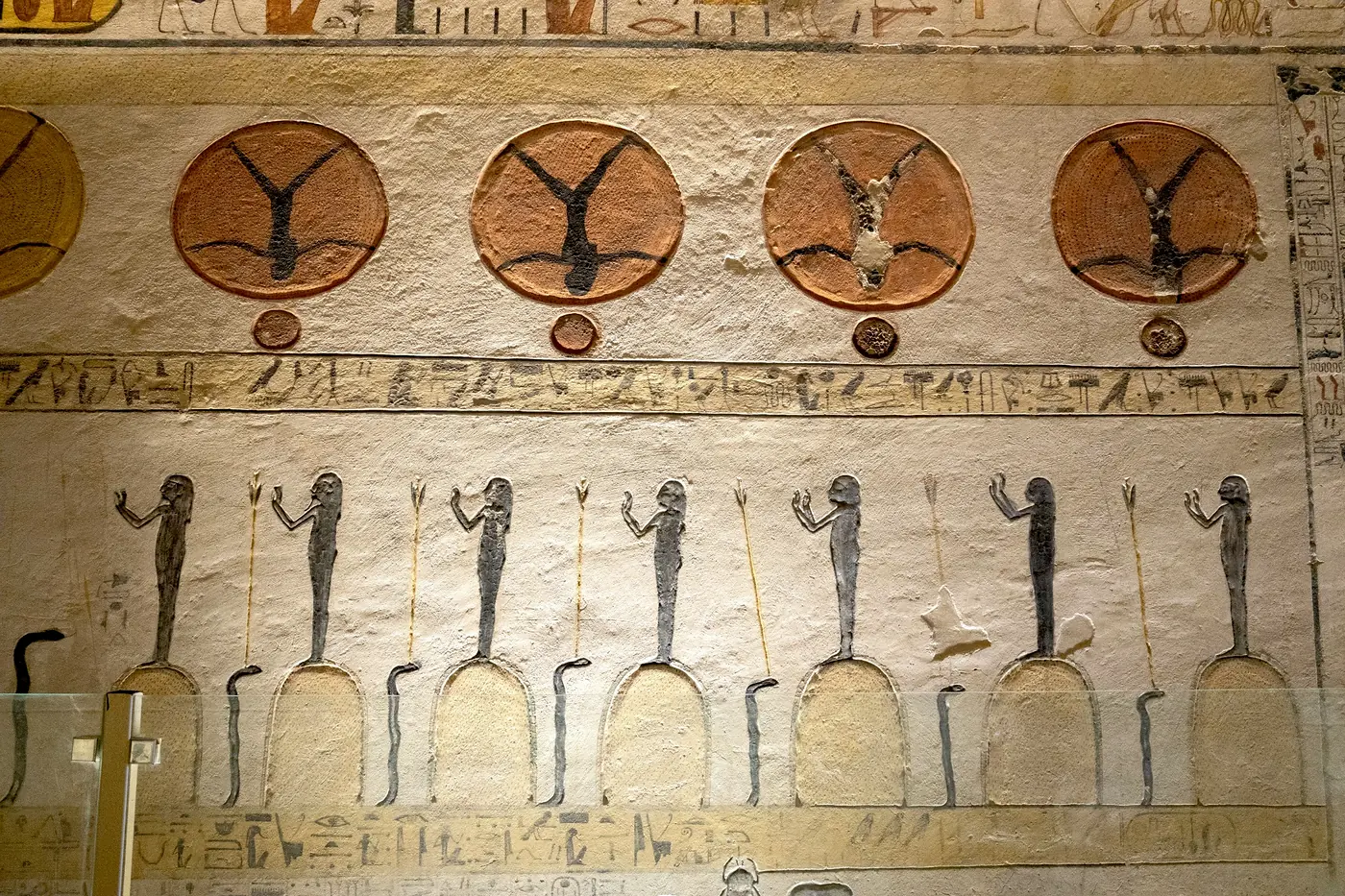
The planning order
Five decisions, and they’re best made in this order.
Most people start with the hotel and work backwards, which is why so many Luxor itineraries end up front-loaded, hot and slightly frantic. Work through these five in sequence instead and the trip more or less assembles itself.
How many nights Luxor gets
Two nights is a highlights run. Three is comfortable. Four or five is where the city stops being a checklist and starts being a place — with a morning off in the middle, which is the single most underrated item on any Egypt itinerary. Decide this first, because everything else bends around it.
Which side of the river you sleep on
The East Bank is the city: the corniche, Luxor Temple lit up at night, restaurants, the airport twenty minutes away. The West Bank is farmland, quiet, and a five-minute drive from the tombs. Neither is wrong. They produce genuinely different holidays, and we compare them properly further down.
Whether your guiding is private
This is the decision that changes the most for the least money. A private Egyptologist means you enter sites when they’re quietest, stay in the tomb that’s gripping you, skip the one that isn’t, and ask the awkward questions. Shared touring means someone else’s schedule, permanently.
Whether the balloon goes in
It has to be booked around a dawn, and dawn is also when the West Bank is at its best on the ground — so the two compete for the same hour. If the balloon matters to you, it’s a scheduling decision, not an add-on you can decide on the day.
What Luxor connects to
Is Luxor the whole trip, or the middle of one? Cairo before, Aswan after, a Nile cruise between the two, a few days on the Red Sea to finish. The connection you choose decides which flights you want and, often, which direction you travel in.
If you’d like us to make those five calls for you, that’s fine too. Send us the length of your trip and where you’re flying from, and we’ll come back with a recommendation and the reasoning behind it — including the parts where we’d talk you out of something.
Where you sleep
Luxury hotels in Luxor: the four honest options.
Luxor’s high-end accommodation splits into four distinct characters rather than a simple ranking. The names travellers ask us about most are the historic corniche hotels, the larger Nile-side resorts, and the small West Bank guesthouses — and each one produces a different rhythm of day.
| Where | What it feels like | Suits you if |
|---|---|---|
| Historic East Bank corniche | Grand old Luxor. Gardens, high ceilings, a terrace facing the river, and Luxor Temple within walking distance. The Sofitel Winter Palace is the property most people picture here. | You want the sense of occasion, and you’d rather walk to dinner than drive. |
| Nile-side resort hotels | Larger, more contemporary, with pools and river frontage. The Steigenberger Nile Palace sits on the East Bank near the centre; the Hilton Luxor Resort & Spa is further north, closer to Karnak. | You’re travelling with family, or you want somewhere to spend the flat middle of the day. |
| West Bank boutique houses | Small, owner-run, mudbrick and courtyards, surrounded by sugarcane and the Theban hills. Quiet at a level the East Bank cannot match. | Tombs are the reason you came, and you’d trade nightlife for silence. |
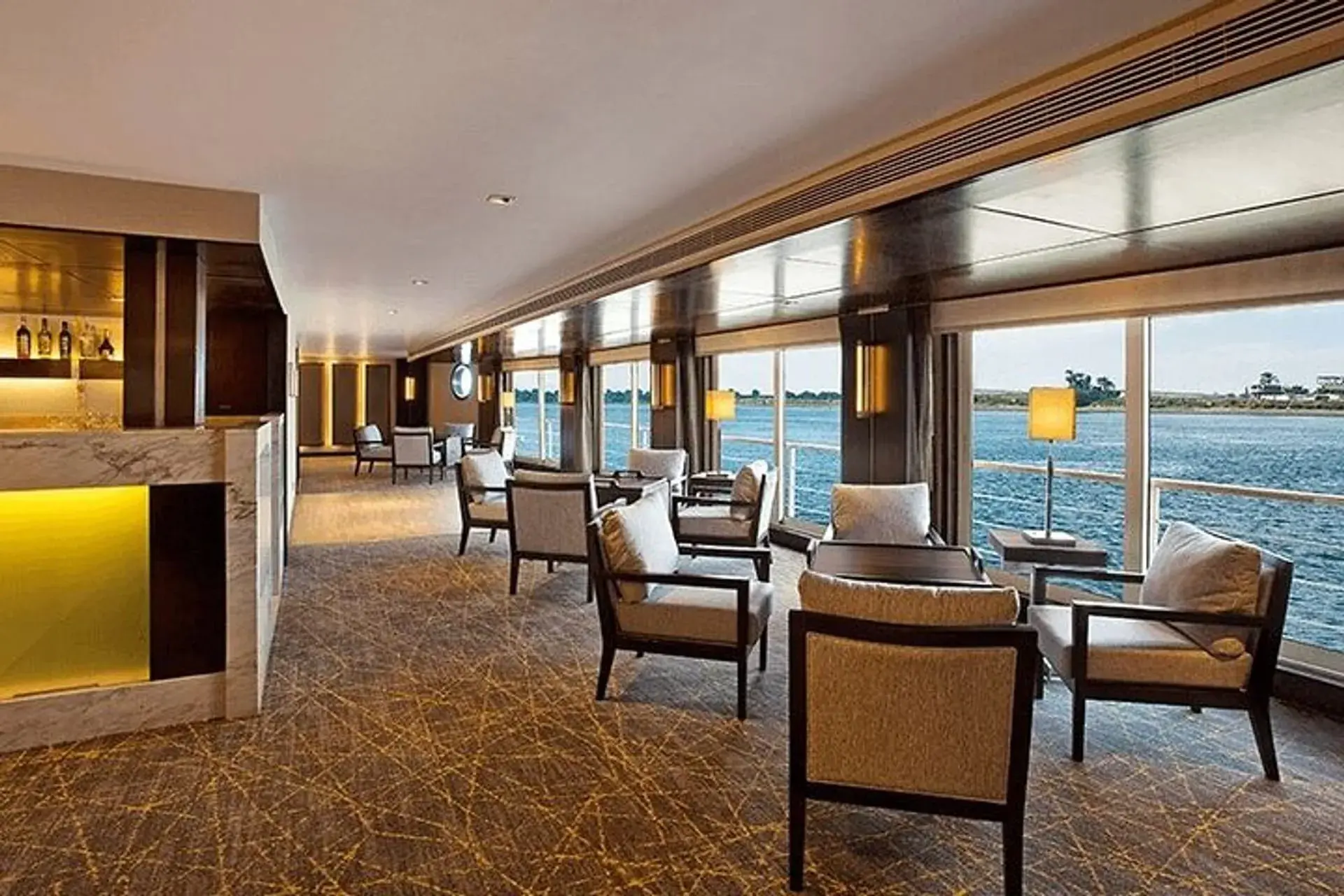
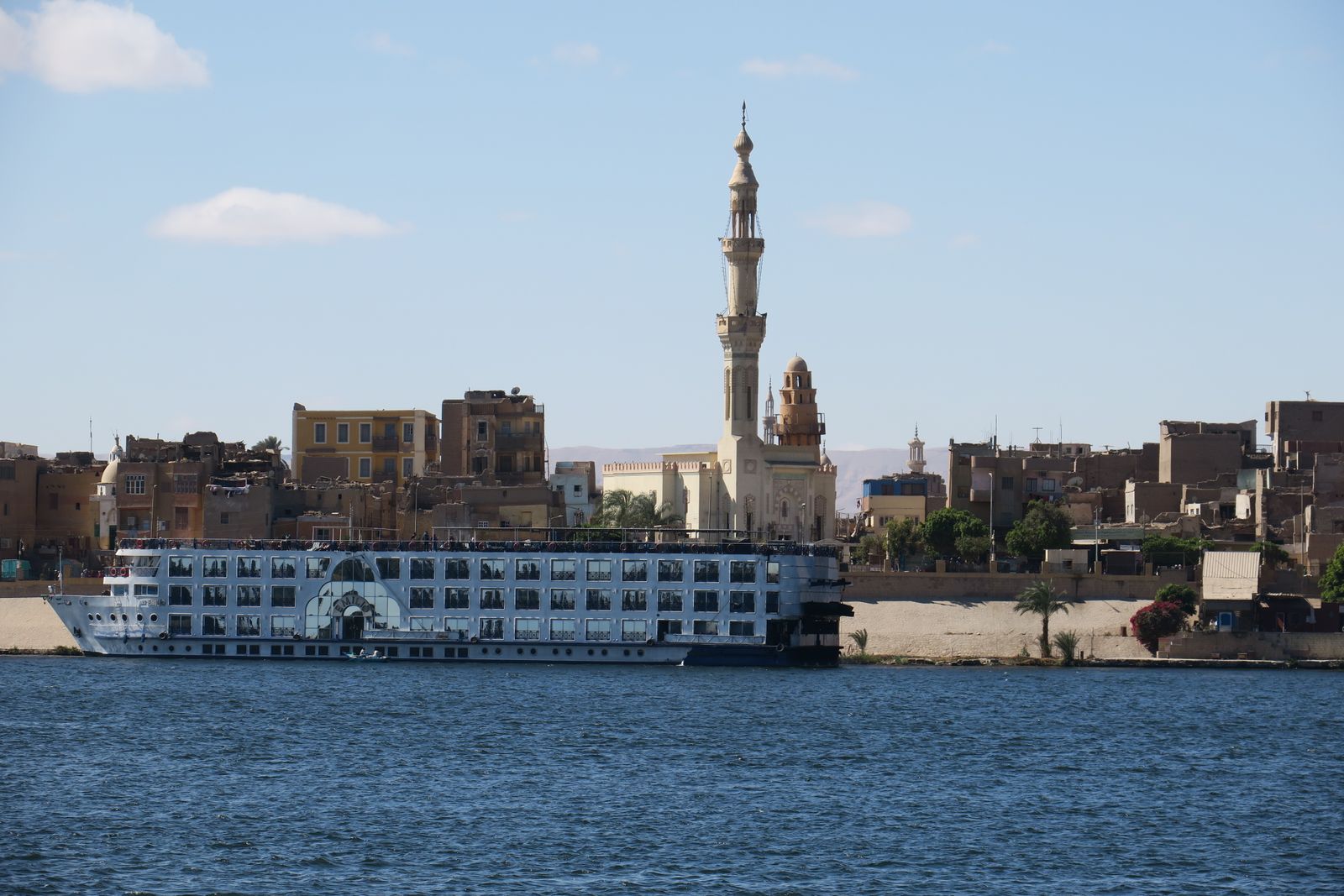
| On the water | Your room moves. A dahabiya or Nile cruise uses Luxor as the northern end of the journey rather than as a base. | You’re pairing Luxor with Aswan and would rather unpack once. |
One thing we won’t do is publish rates or room descriptions here. Availability and pricing in Luxor move by the week and by the season, and a figure printed in September is a fiction by February. Tell us which of the four characters above appeals and what you’d like the view from your window to be, and we’ll confirm what’s genuinely open for your dates in writing — including when the answer is that your first choice is full.
If you’d rather see the wider shape of what we arrange across the country first, our 5-star holidays in Egypt and luxury Egypt vacation packages pages cover the same standard applied nationally.
Build the days from these
The private Luxor experiences we’re asked for most.
Every programme below is published, private and bookable as part of a tailor-made Luxor holiday. They’re ordered roughly by how often they appear in the itineraries we build for this city — starting with the day that does the heavy lifting.
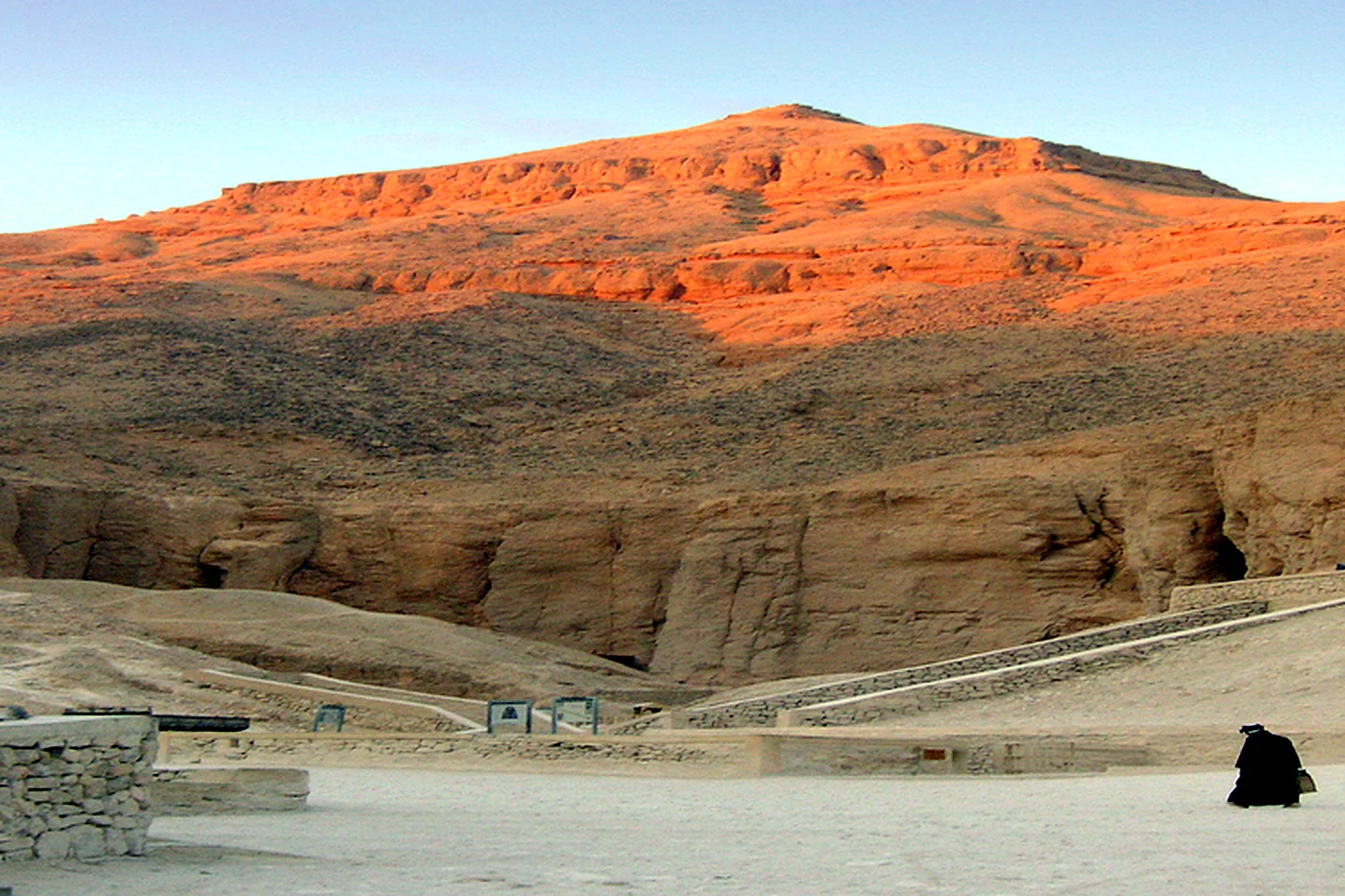 Full day
Both banks
Full Day Luxor Tour — East and West Banks
The spine of almost every Luxor holiday we plan. Tombs and Hatshepsut in the cool of the morning, the great temples once the day has softened. One day, both sides of the river, no doubling back.
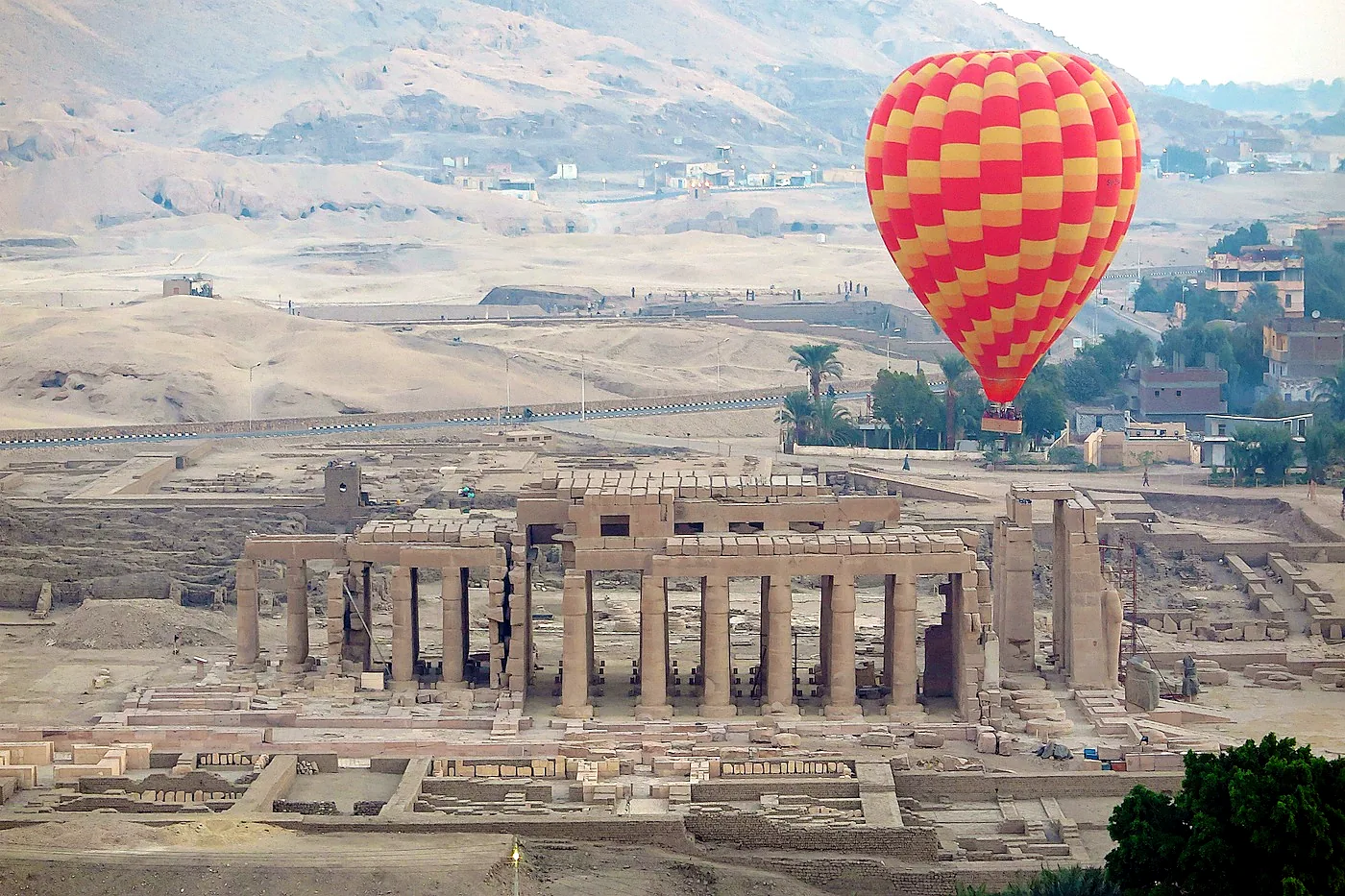 Sunrise
West Bank · Dawn
Luxor Hot Air Balloon Ride
An early alarm, and the only argument for it: the Theban hills going from grey to gold underneath you, with the temples, the river and the green strip of farmland all in one frame. Book it around, not after, the rest of your days.
 West Bank
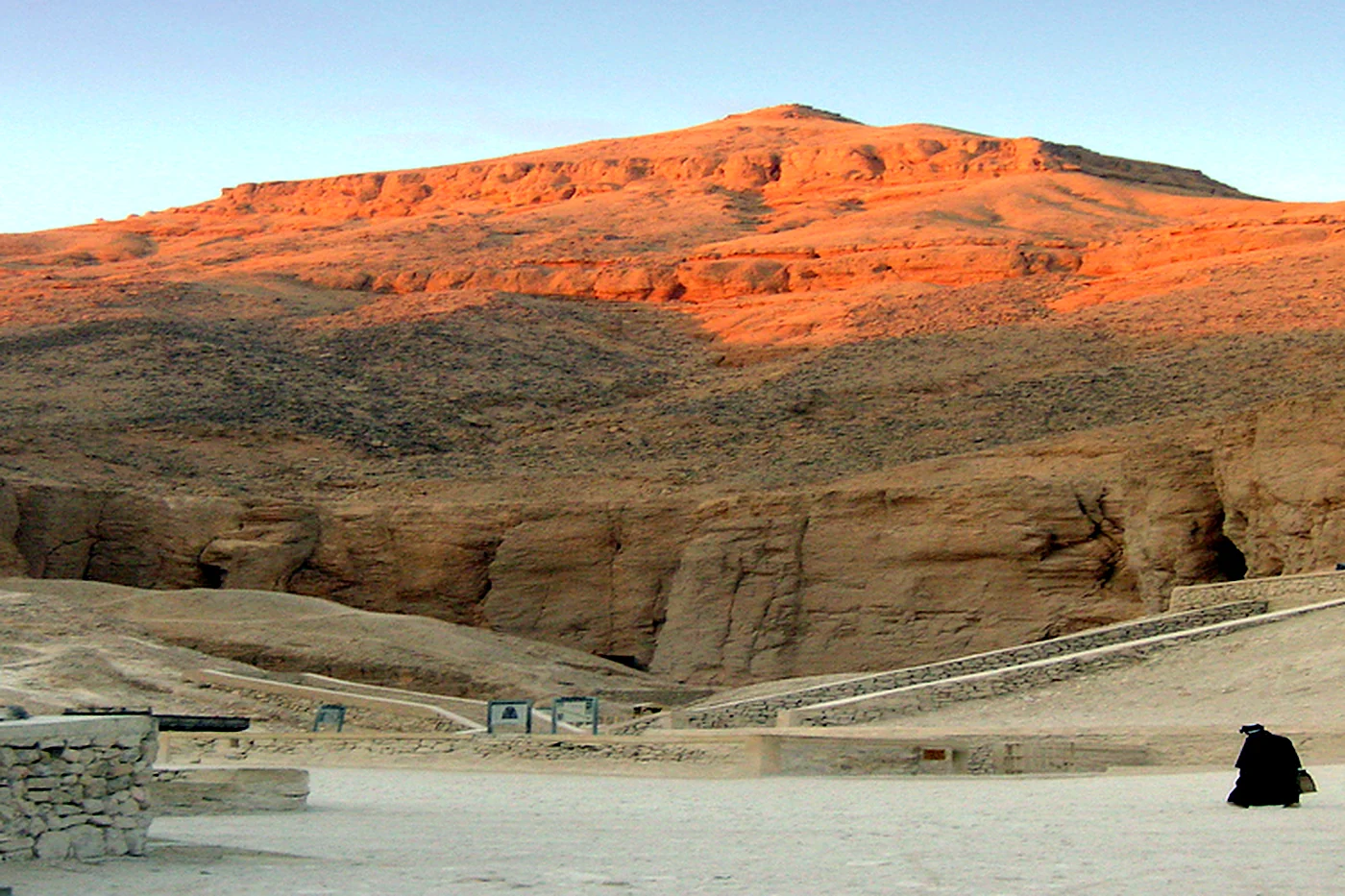
Valley of the Kings
Valley of the Kings and Hatshepsut Temple Tour
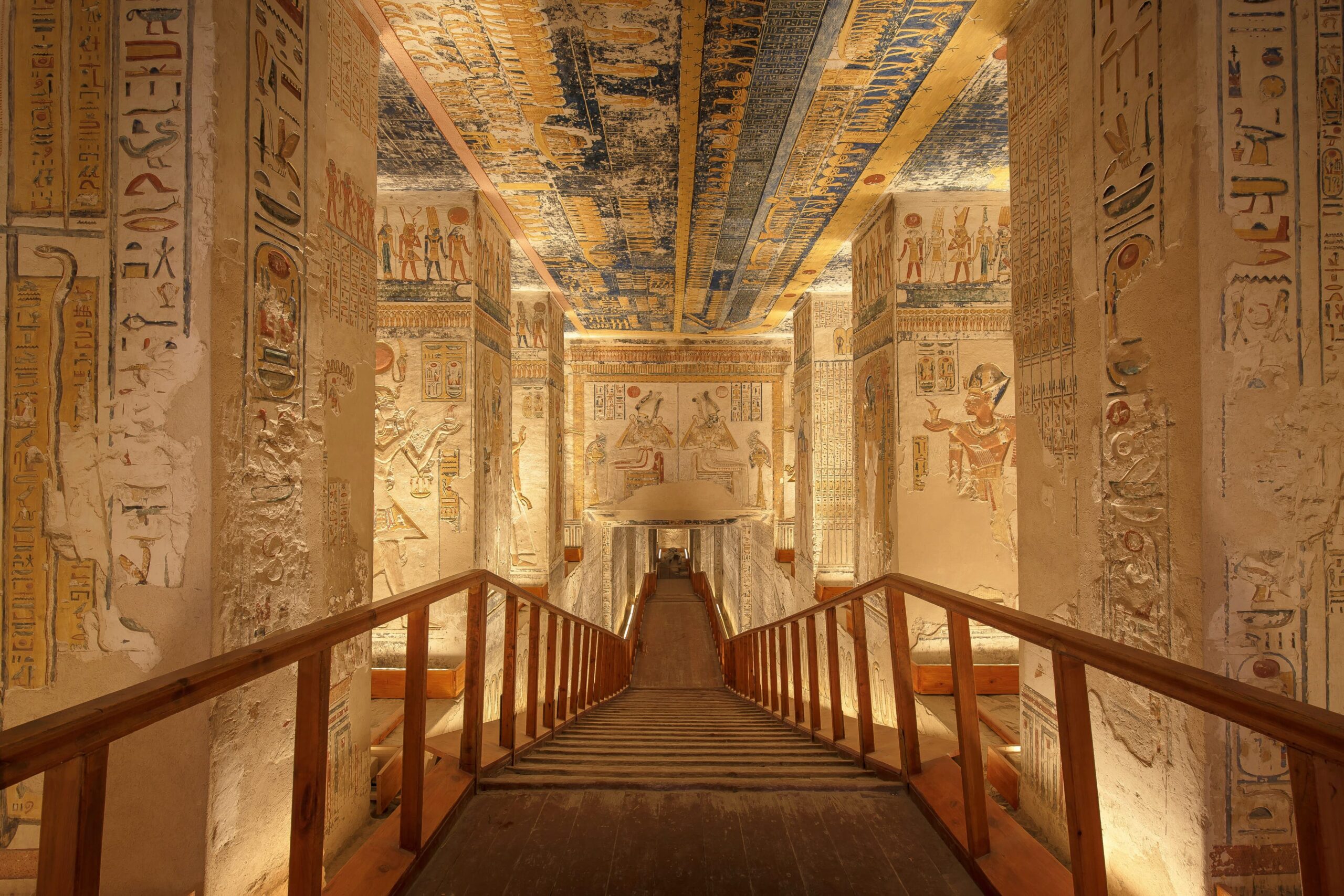
Painted ceilings that still hold their colour after three thousand years, then the terraces of Hatshepsut cut straight into the cliff. Which tombs are open changes; having a guide who knows that morning’s rotation is the difference.
 East Bank
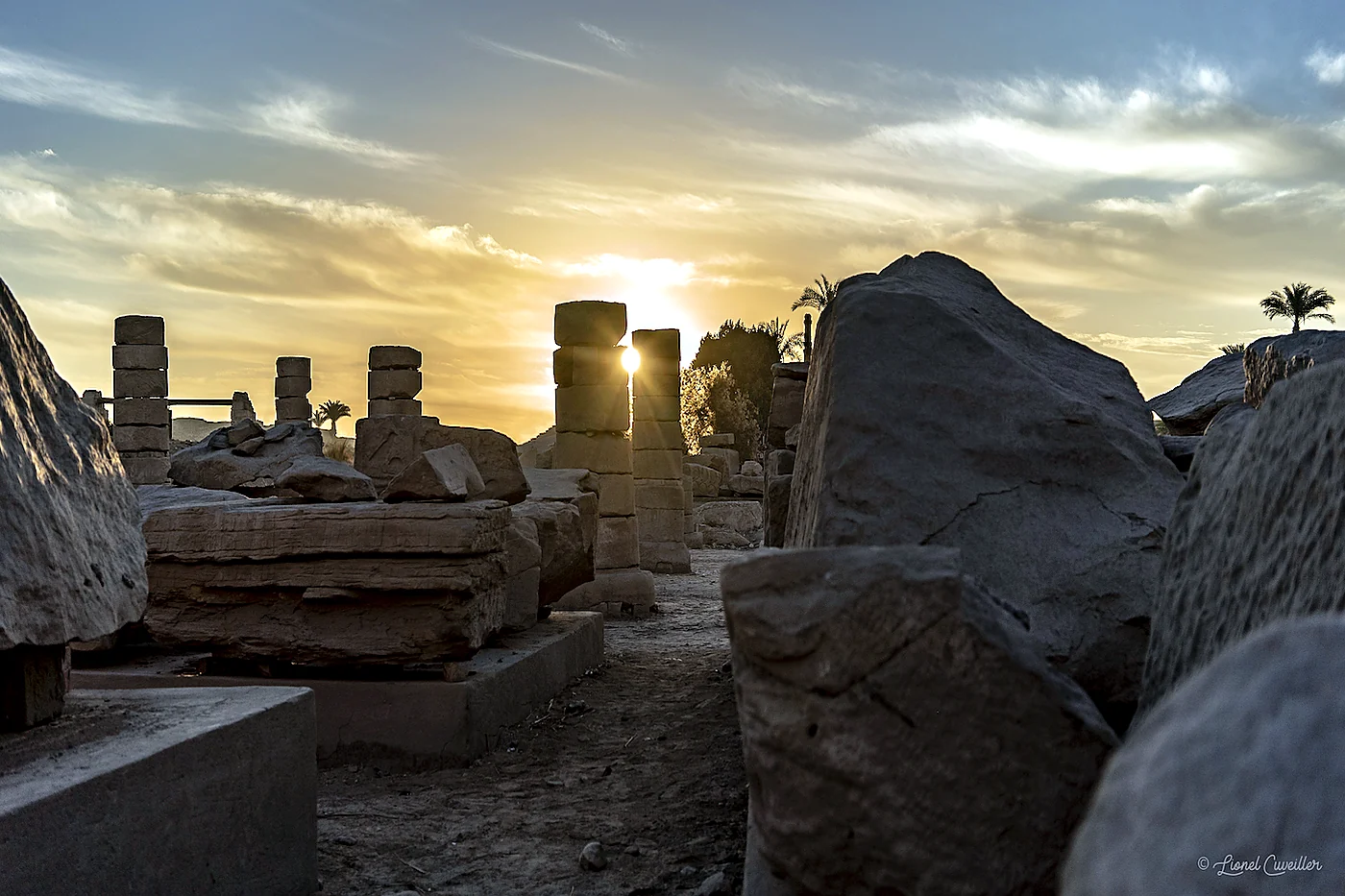
Karnak · Luxor Temple
Karnak and Luxor Temples Tour
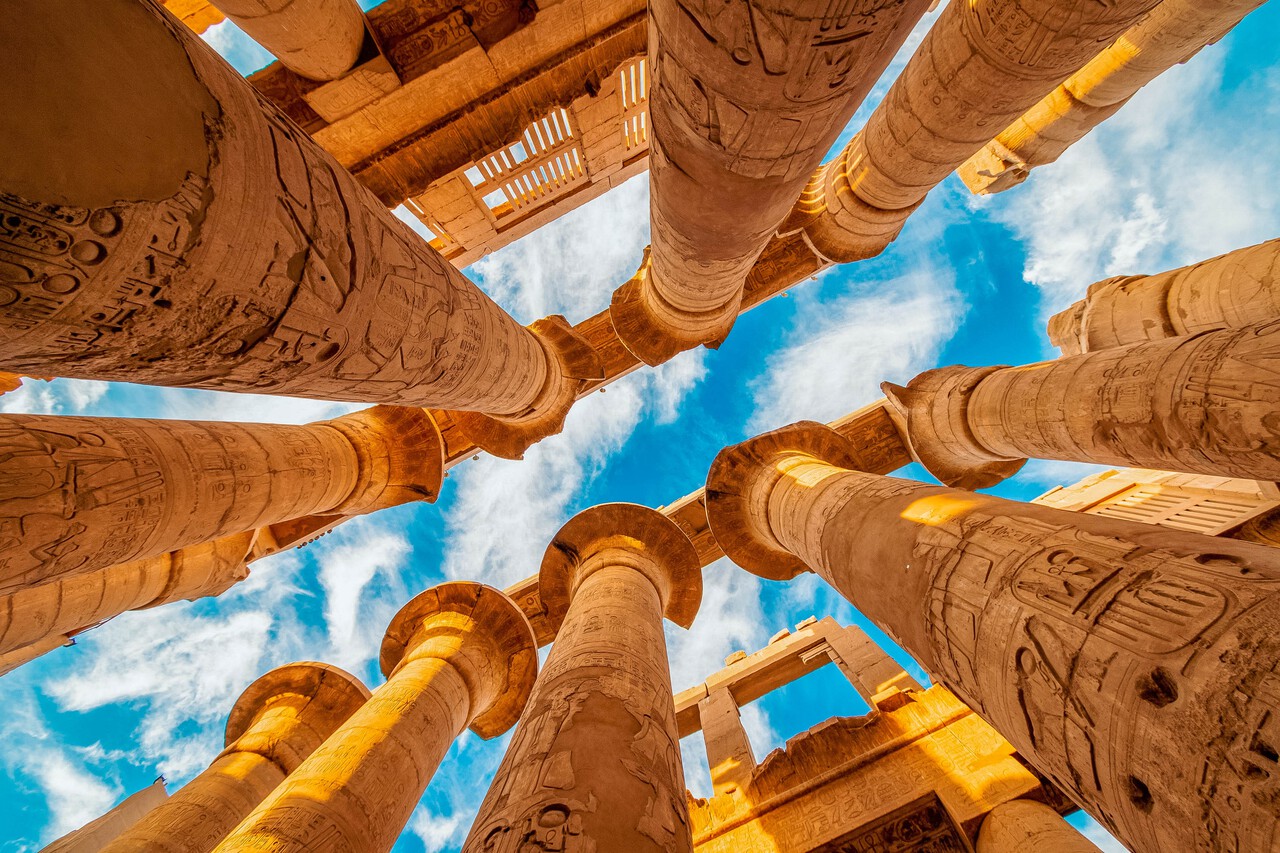
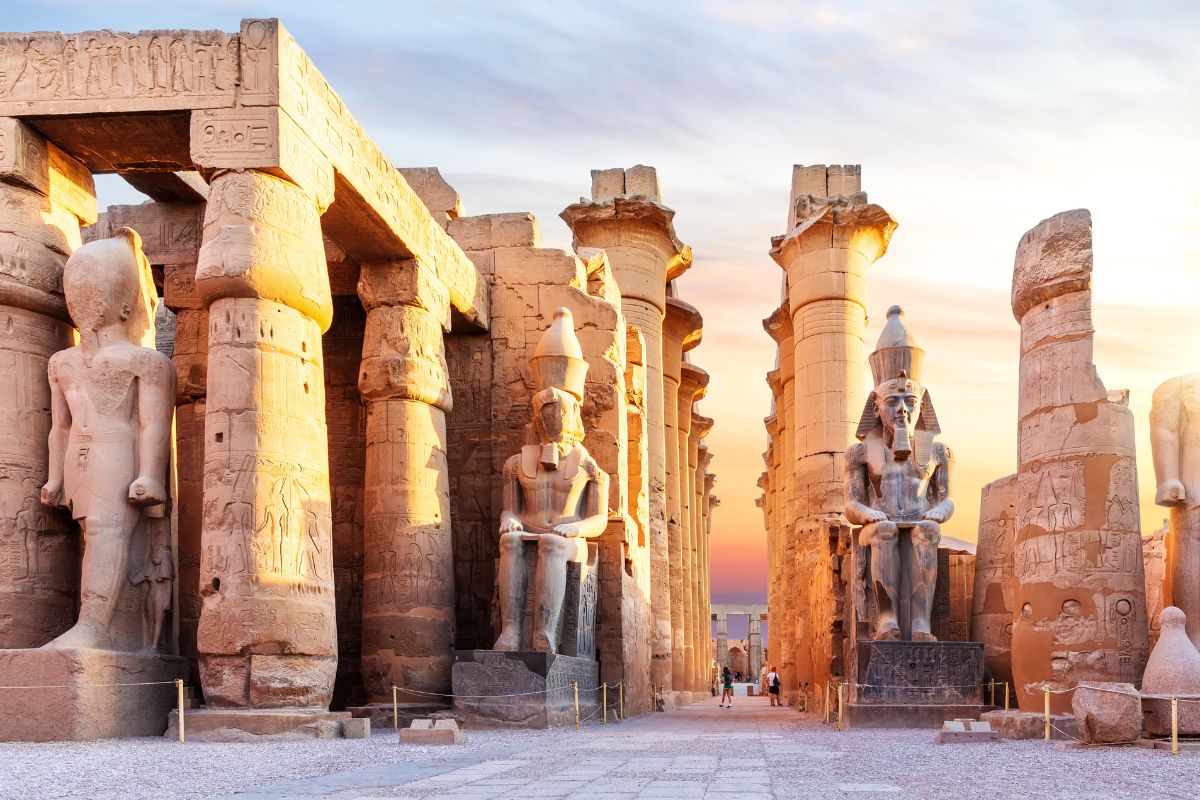
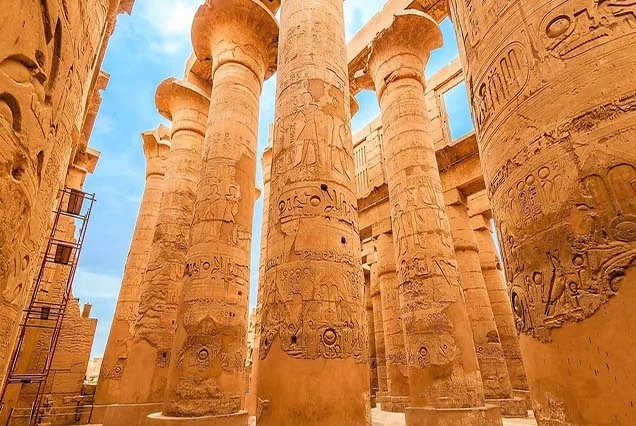
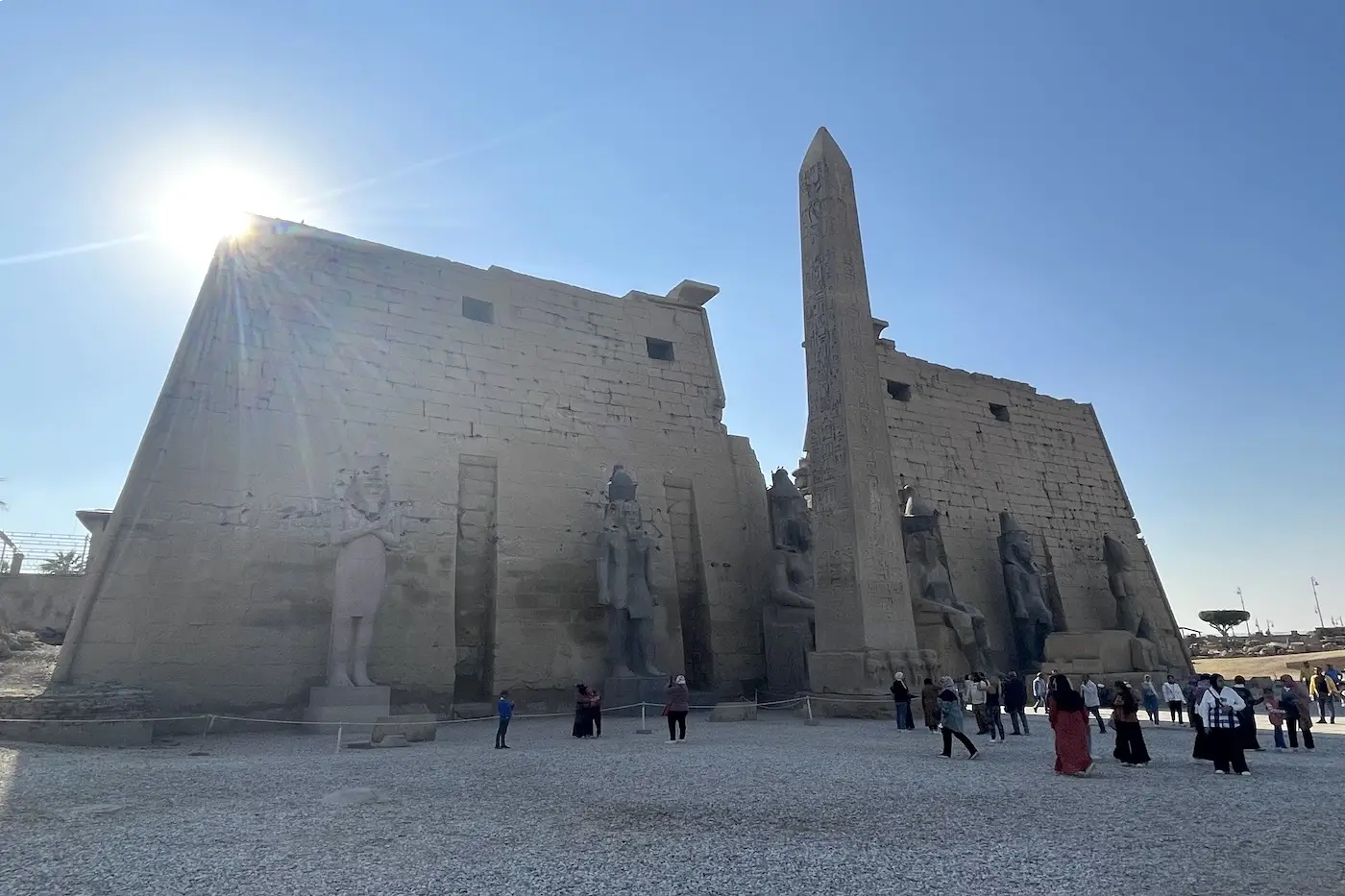
Karnak isn’t really a temple, it’s two thousand years of pharaohs trying to out-build each other. Luxor Temple, downstream, is the one to save for the evening, when the columns are lit and the heat has finally let go.
 4 nights
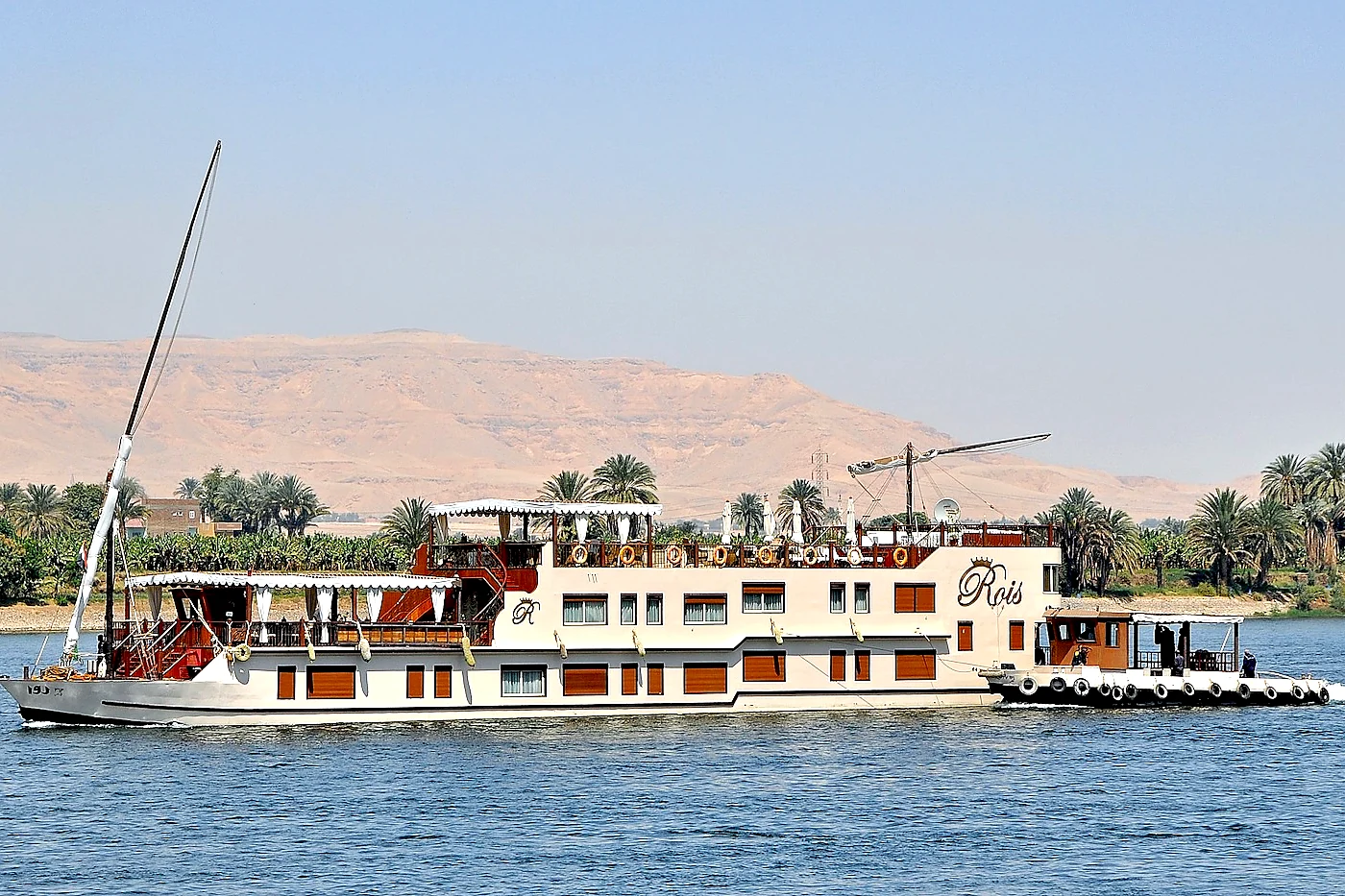
Luxor → Aswan
4-Night Nile Cruise from Luxor to Aswan
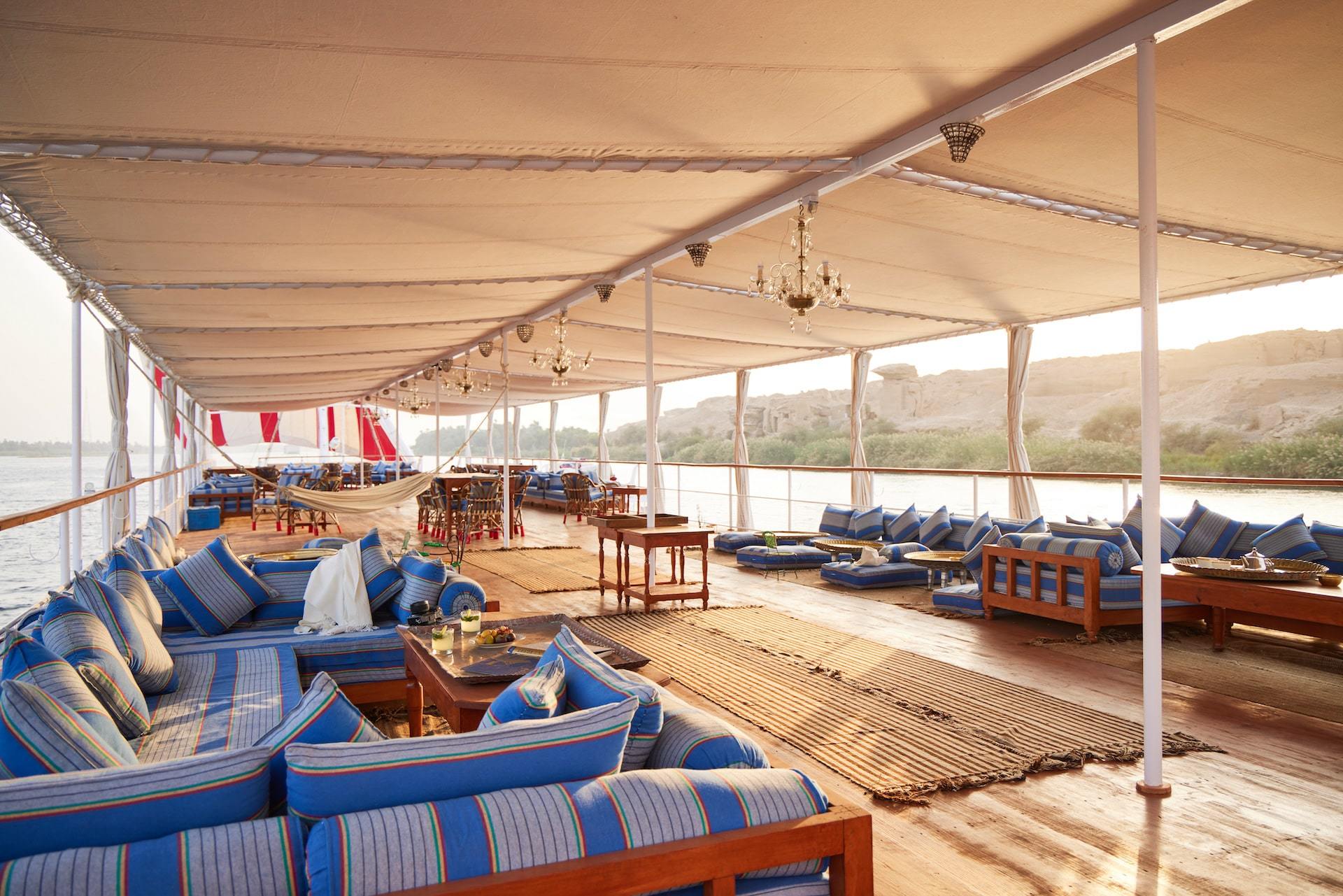
The natural second half of a Luxor holiday. Your hotel starts moving, the temples at Edfu and Kom Ombo arrive at walking distance, and you finish in Aswan with Abu Simbel to the south of you.
 On the water
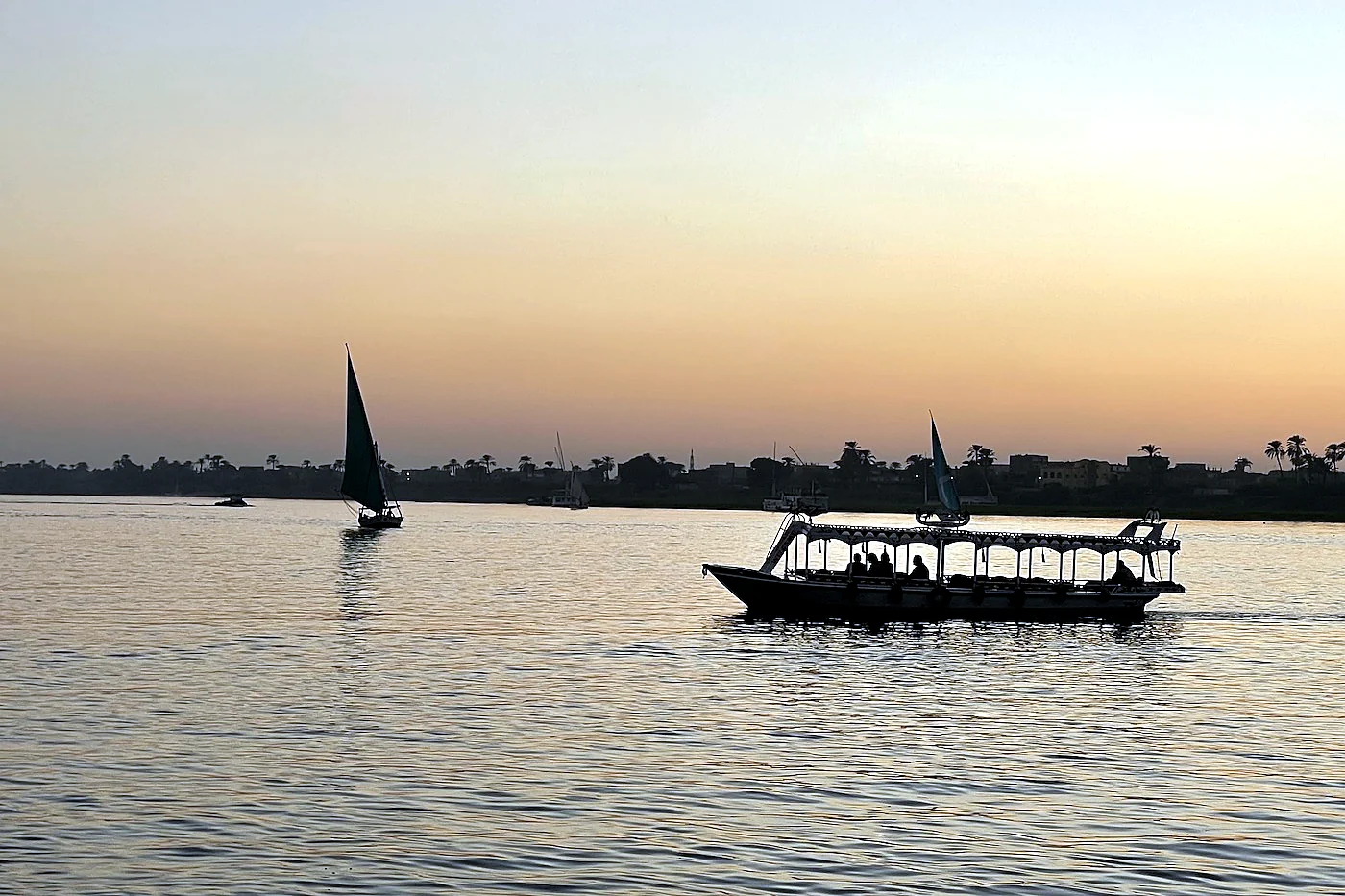
The Nile at Luxor
Felucca Ride on the Nile in Luxor
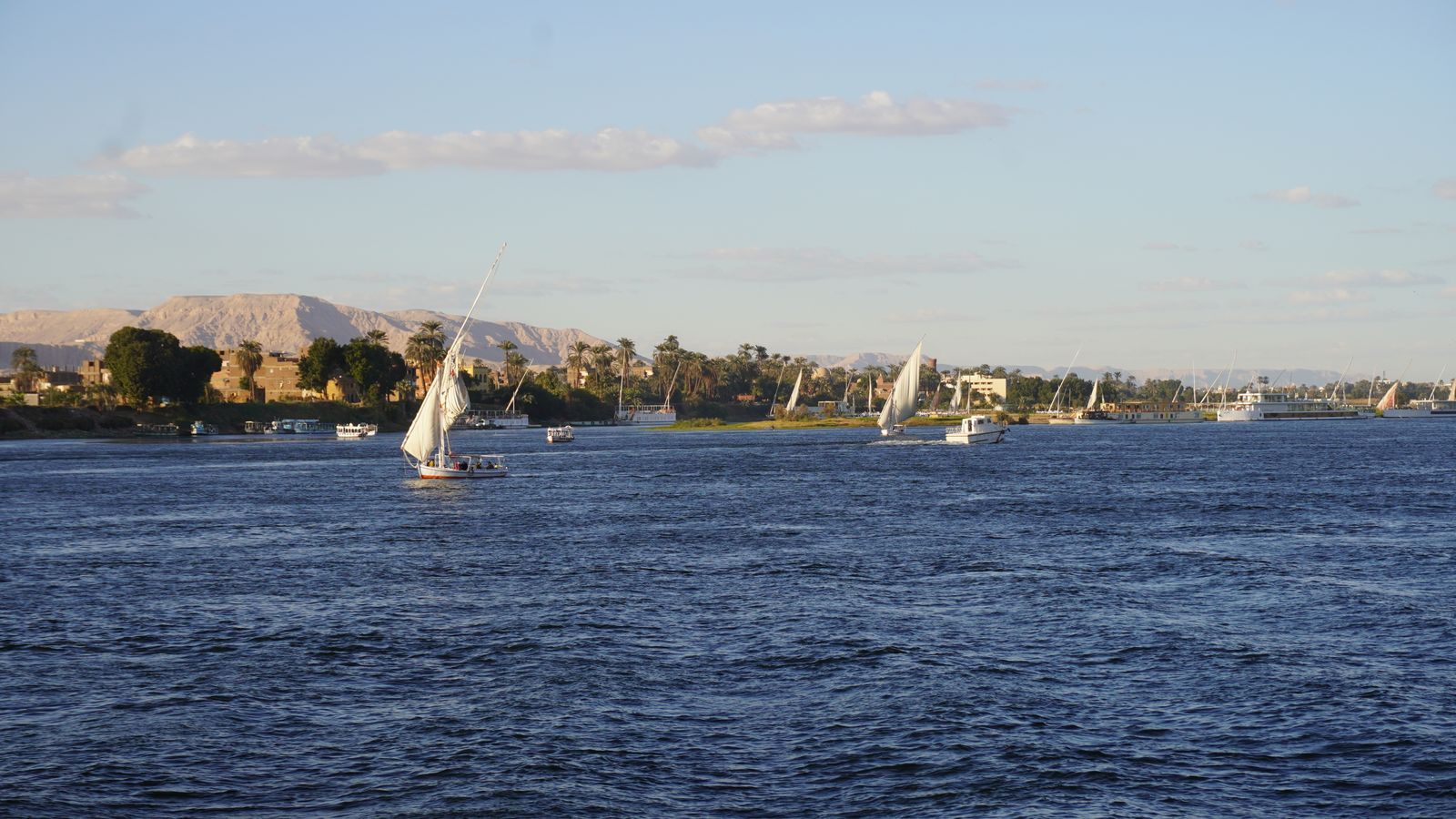
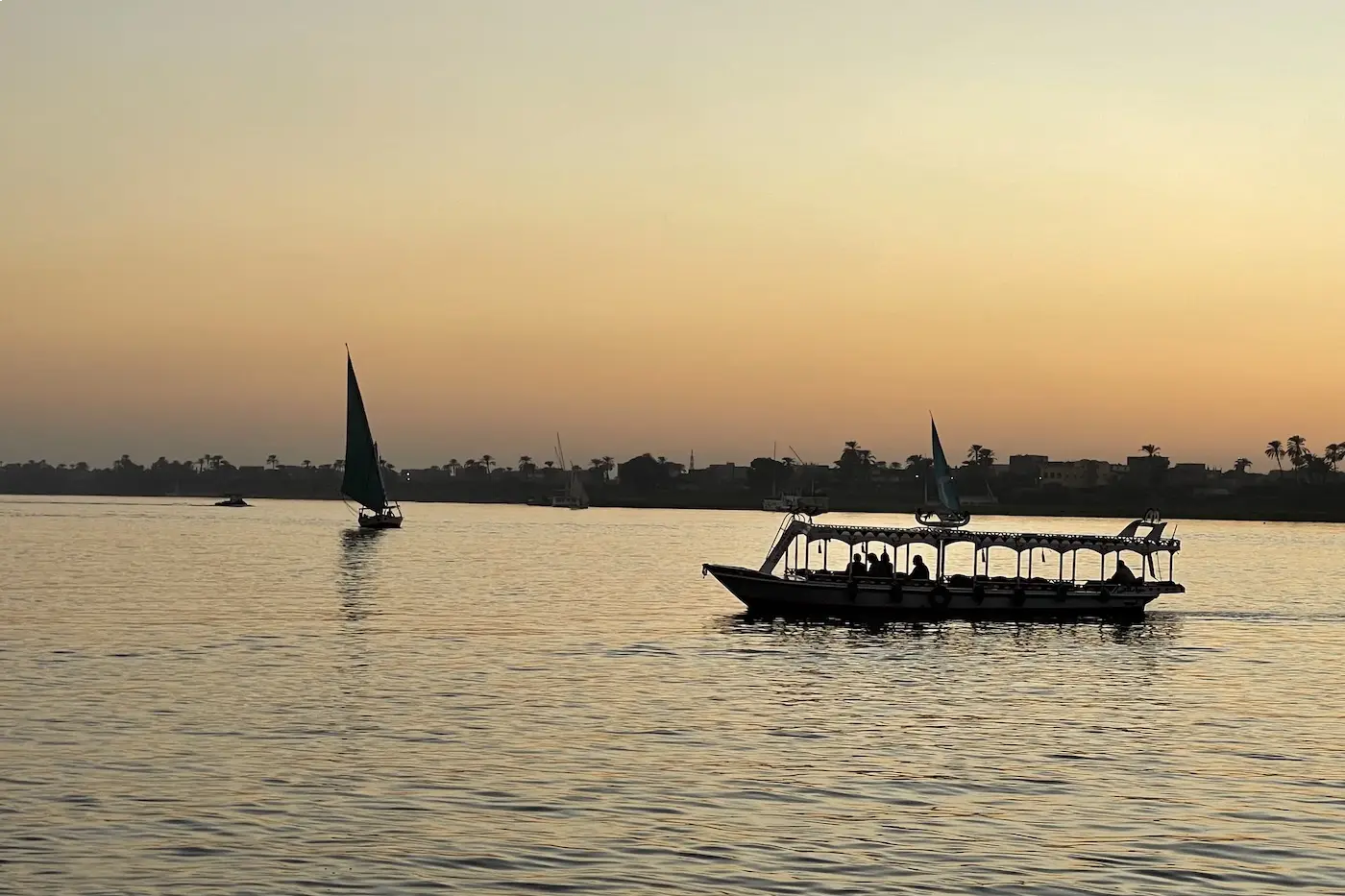
An hour or two under a cotton sail with no engine noise, drifting past Banana Island and the West Bank cliffs. The cheapest luxury in the city, and the thing guests most often tell us they’d have done twice.
 After dark
Karnak · Evening
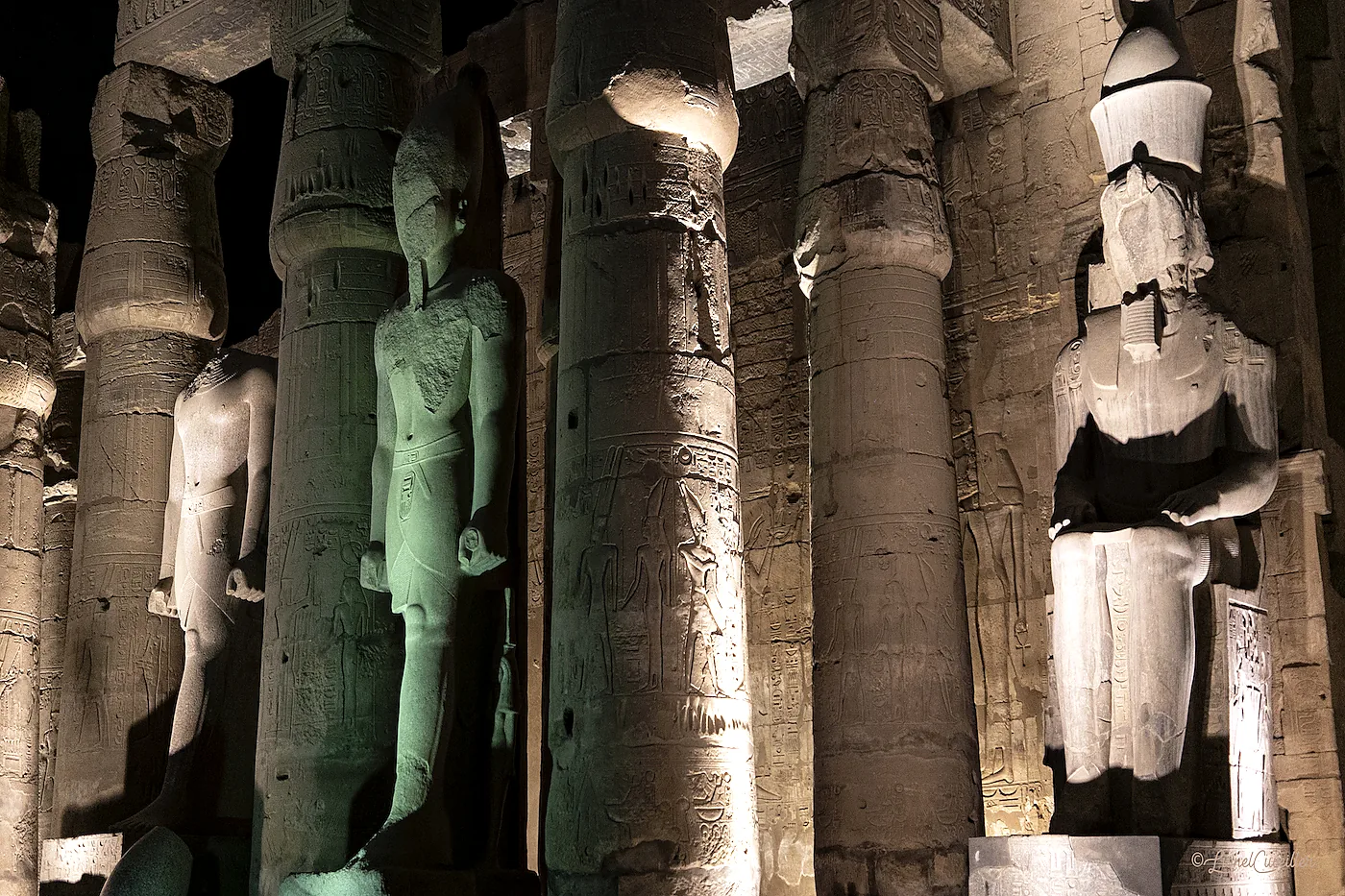
Karnak Temple Sound and Light Show
Karnak twice is not a mistake. By day you understand the scale; after dark, lit and largely empty, you feel it. A useful way to give an evening some shape without adding another early start.
 Half day
Luxor city
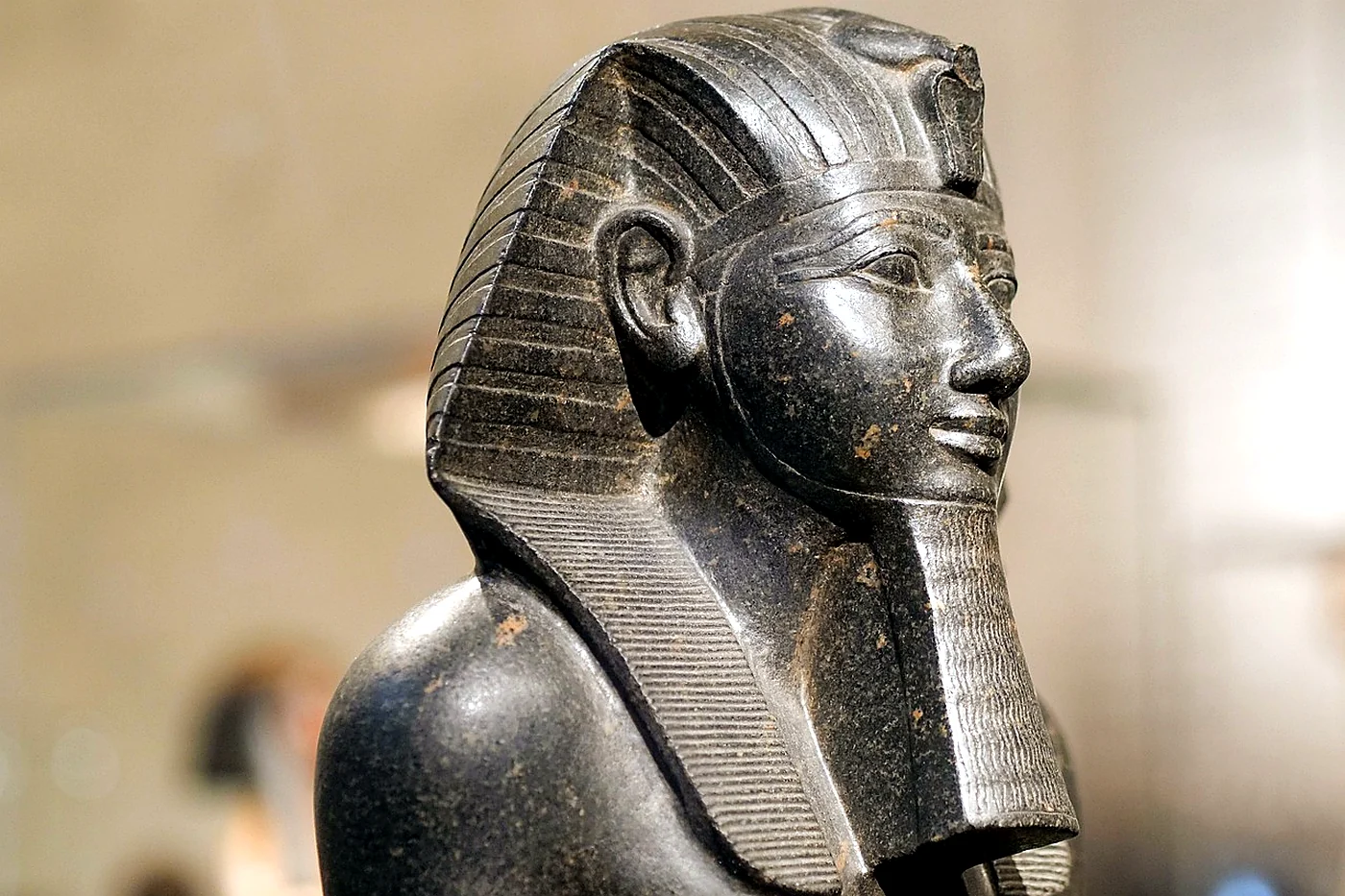
Luxor Museum and Mummification Museum
The best air-conditioned hour in Luxor, and a genuinely good use of the middle of a hot day. Small, beautifully lit, and the collection that finally makes the tombs you’ve been walking through make sense.
Staying longer? The quieter West Bank sites are where Luxor really opens up — the Valley of the Nobles has the most human paintings in Egypt, and a horse-drawn carriage tour of the city is a better way to see modern Luxor than any car. Further afield, Dendera and Abydos and the Esna and El Kab day tour take you where almost nobody goes. Our full Luxor West Bank private tours and Luxor day tour pages have the rest.
The river divides the trip
East Bank or West Bank? The oldest planning question in Luxor.
The ancient Egyptians put the living on the east, where the sun rises, and the dead on the west, where it sets. Three thousand years later that division still decides what your holiday feels like.
The East Bank is the city Luxor became: the corniche, the airport, the restaurants, the two enormous temples, and the ferry queue. Base yourself here and evenings have somewhere to go. Base yourself on the West Bank and mornings are almost embarrassingly easy — the tombs are minutes away, the fields start where the hotel ends, and by nine at night the loudest thing outside is a donkey.
Most travellers on a first luxury holiday in Luxor stay east and cross west each morning. Returning visitors, photographers and anyone who has already done the headline sites tend to flip it. If you have four nights or more, splitting them — two each side — gives you the best of both and costs you one hotel change.
Either way, the crossing itself is worth doing properly at least once. Take the local ferry, not a car, and watch Luxor rearrange itself around you as you go.
| What matters to you | East Bank | West Bank |
|---|---|---|
| Character | City, corniche, river frontage | Farmland, cliffs, village quiet |
| On your doorstep | Karnak, Luxor Temple, the museums | Valley of the Kings, Hatshepsut, the Nobles |
| Evenings | Restaurants, lit temples, sound and light | Stars, silence, an early night |
| Airport transfer | Shorter | Longer, and it crosses the river |
| Best for | First-time visitors, families, short stays | Repeat visitors, photographers, slow trips |
| Balloon mornings | Balloon launches are on the West Bank, so an east-bank stay means an earlier pickup. We factor that into the pickup time rather than leaving you to discover it at 4am. | |
How many days
Luxor rewards the third day more than the first.
Day one is spectacle. Day two is context. Day three is when you stop photographing everything and start noticing things — and it’s the day most itineraries never reach. Here’s what each length realistically buys you.
| Length | What fits comfortably | The honest trade-off |
|---|---|---|
| 2 nights | The full-day tour of both banks, plus one evening at a lit temple. | Everything happens once, and the middle of both days is hot. Workable, but you’ll leave with a list. |
| 3 nights | Both banks unhurried, the balloon at dawn, the museums in the flat afternoon hours, a felucca before dinner. | Our usual recommendation. Enough room that one bad night’s sleep doesn’t cost you a site. |
| 4 to 5 nights | All of the above, plus the quieter West Bank valleys, a day out to Dendera and Abydos, and a genuine morning off. | Only worth it if you actually take the morning off. Otherwise it’s the same trip with more temples. |
| Luxor plus a cruise | Two or three nights in Luxor, then sailing south to Aswan with Edfu and Kom Ombo on the way. | The strongest version for a first Egypt trip. Needs around nine days in the country to breathe. |
The pattern we build most often looks like this: arrive in the afternoon and do nothing. Balloon at dawn the next morning, West Bank straight afterwards while you’re already up, then the hotel pool from noon. Karnak in the late afternoon of day two, Luxor Temple after dark. Day three is yours — the museums, the Nobles, a felucca, or nothing at all.
Notice what that shape does: it never asks you to be outdoors between eleven and three. In Upper Egypt, that’s not a luxury, it’s the whole design.
Timing
The best time to visit Luxor, without the marketing gloss.
Luxor is a desert city with a river running through it. The real question isn’t which month is best — it’s how much heat you’ll trade for how much space at the temples.
| Season | What it’s like | Worth knowing |
|---|---|---|
| October to April | The comfortable window. Warm days, cool evenings, sightseeing you can do at a civilised hour. | Also the busiest. Balloon slots and the better rooms go first — enquire well ahead. |
| December and January | Coolest of the year. Bright blue days, genuinely cold at dawn. | Pack a real layer for the balloon. Standing in a basket at 5am in January is colder than anyone expects. |
| May and September | Hot, but with noticeably more room at the sites. | Our quiet pick. Start at first light, be back by eleven, and the heat becomes somebody else’s problem. |
| June to August | Serious Upper Egyptian summer. | Entirely doable on a private schedule, and the temples are emptier than at any other time. Not a good month for a fixed group itinerary. |
Two things matter more than the month. The first is what time your car arrives in the morning — a private schedule beats a good season. The second is how the middle of the day is handled: if your hotel has somewhere you actually want to be between eleven and three, summer in Luxor stops being an endurance test.
Tell us the window you’re looking at and we’ll tell you plainly what to expect in it, including where the crowds will be and which mornings we’d start before sunrise.
Who this works for
The same city, paced six different ways.
Luxor flexes more than most destinations, because almost everything here is a private arrangement rather than a fixed departure. What changes isn’t the sites — it’s the order, the hours and the amount of nothing built into the day.
Honeymoons
Dawn in a balloon, a felucca at dusk, and a long empty afternoon in between. Luxor does romance without trying, largely because it never feels staged. Our luxury honeymoon packages in Egypt build from exactly this rhythm.
Families
Tombs are a surprisingly easy sell to children — they are, after all, underground and full of paintings of animals. The trick is fewer sites, earlier starts, and a pool to collapse into by lunchtime. A private schedule can be cut short the moment it needs to be.
Solo travellers
A private Egyptologist turns a solo trip into a running conversation rather than a lonely one, and you’re never left working out transport in the heat. Luxor is also one of the easiest cities in Egypt to walk alone in the evening.
Small groups of friends
The economics work in your favour here: the cost of a private guide and vehicle is shared across the group, while the touring stays entirely your own. Four to six people is the sweet spot.
Travelling with parents
The real constraints in Luxor are heat, steps and uneven ground — not distance. Flag mobility in your enquiry and we’ll design around it: which tombs have the gentlest descents, where the car can wait closest, which sites to swap out entirely.
Photographers
You want the West Bank at first light and Karnak in the last hour before closing, which is the opposite of how most itineraries are built. That’s a scheduling problem, and it’s solvable — but only on a private programme.
Before and after
Where Luxor sits inside the rest of Egypt.
Very few people fly to Egypt for Luxor alone, and they probably shouldn’t. Here are the four combinations we’re asked to build most, and what each one needs from your calendar.
Cairo first, then south
The standard sequence, and it works because it front-loads the crowds and the traffic while you still have energy for them. Giza, the museums and old Cairo first, then the short flight down to Luxor, where the pace immediately drops. If your days are very tight there’s even a day trip from Cairo to Luxor by flight — though we’d rather talk you into two nights.
Luxor and Aswan, joined by the river
The strongest first-time-in-Egypt structure there is. Luxor on land, then sail south through Edfu and Kom Ombo to Aswan, unpacking once. Our Nile cruise from Luxor to Aswan page covers both directions and how to choose between them; if you’d rather stay on land, the day tour from Luxor to Aswan covers the same corridor in a long day.
Luxor and the Red Sea
Temples then beach, and a genuinely good pairing — ancient Egypt is intense, and three days of doing nothing on the coast afterwards is how you get home rested rather than wrecked. Hurghada and the Red Sea are a straightforward drive east, and there are two-day tours from Safaga port if you’re arriving by ship instead.
Luxor as the whole trip
Underrated, and the version we’d quietly recommend to anyone returning to Egypt. Five nights in one hotel, one city, no internal flights, and the time to visit the sites nobody has heard of. It is the least stressful holiday in Egypt by a wide margin.
What to pack for Luxor
Light, loose clothes that cover shoulders and knees, because temples expect it and the sun rewards it. Shoes you can walk uneven stone in — tomb floors were not built level and never will be. A hat, sunglasses and strong sun cream. One proper warm layer between November and February, especially if you’re ballooning. A refillable bottle, and considerably fewer outfits than you’re currently planning.
Four questions worth asking any Luxor operator
Is my guiding private, or am I joining a group? Is my guide a qualified Egyptologist? Are inclusions and exclusions itemised in writing before I pay anything? And what time does the car actually arrive in the morning? The last one sounds trivial and is the single best predictor of how your holiday will feel. Ask us all four — we’d rather answer them now than have you find out on day one.
Straight answers
What a luxury holiday in Luxor costs — and why there’s no number on this page.
A single headline price is either a fiction or a footnote. We’d rather quote your holiday than decorate ours.
The figure moves with real things. Your dates, how many of you are travelling, which of the four accommodation characters you choose, how many days Luxor gets, whether the balloon is in, and what you attach either side. Print one number and it misleads somebody.
Inclusions are itemised, not assumed. Guiding, entrance fees, transfers, meals and any domestic flights are confirmed for your programme in writing. Every line is listed either as included or as excluded. There’s no vague middle ground and no “typically includes”.
International airfare stays with you. Long-haul flights from the USA, UK, Canada, Australia or Europe are almost always better arranged at your end. Everything inside Egypt is ours to handle.
Nothing is held that we can’t confirm. Hotels, guides and balloon slots are checked for your dates before you commit to anything. If your first choice isn’t available, we say so and offer the honest alternative rather than quietly substituting it.
Your travel window
Firm dates if you have them, or the month you’re circling. Tell us how flexible it is — in Luxor, flexibility is worth money and availability.
How long Egypt gets
Total days in the country, not just in Luxor. That single number decides whether a cruise fits, whether Cairo is realistic, and how hard we push back.
Who’s coming
Numbers, ages if children are travelling, and anything about pace or mobility we should design the days around rather than improvise on.
The one thing you’d hate to miss
The balloon at dawn, a specific tomb, a temple after dark, or one morning with absolutely nothing in it. Name it and we’ll protect it in the plan.
Before you enquire
Luxury holidays in Luxor: your questions, answered.
What are the best luxury hotels in Luxor?
Luxor’s high-end accommodation falls into four characters rather than a single ranking: the historic East Bank corniche hotels, such as the Sofitel Winter Palace; the larger Nile-side resorts, including the Steigenberger Nile Palace in the centre and the Hilton Luxor Resort & Spa further north near Karnak; small owner-run boutique houses on the West Bank; and staying on the water aboard a Nile cruise or dahabiya. We don’t publish rates or room details here because both move constantly. Tell us which character appeals and we’ll confirm what’s genuinely available for your dates in writing.
When is the best time to visit Luxor for a luxury holiday?
October to April is the comfortable window, with warm days and cool evenings — and it’s also the busiest, so balloon slots and the better rooms go early. December and January are the coolest, and genuinely cold at dawn. May and September are hotter but noticeably quieter at the sites, which is our own preference. June to August brings serious Upper Egyptian heat, entirely workable on a private schedule that starts at first light and keeps you indoors through the middle of the day.
What does a luxury holiday in Luxor typically include?
In our experience the components that matter are private guiding with a qualified Egyptologist, a private vehicle and driver that waits rather than shuttles, a hotel chosen for the right bank of the river, entrance fees handled for you, airport transfers, and a schedule built around the cool hours. What’s actually included in your programme is confirmed line by line in writing before you pay anything, with each item listed either as included or excluded.
Are private guided tours in Luxor worth the extra cost?
This is the decision that changes the most for the least money. Private guiding means you arrive when a site is quietest rather than when a coach schedule allows, stay longer in the tomb that’s gripping you, skip the one that isn’t, and ask questions properly. In a city as dense as Luxor, control over your timing is worth more than almost anything else you can spend money on.
How much does a luxury Nile cruise from Luxor cost?
We quote per journey rather than publishing an average, because the figure genuinely moves with your dates, your party size, the length of the sailing and which vessel is available that week. Send us your dates and how many of you are travelling and you’ll get a real number for the itinerary you actually want, rather than a headline price with conditions attached underneath it.
Can I book a private hot air balloon ride over Luxor?
Yes, and it’s a scheduling decision rather than an add-on. Balloons launch on the West Bank before sunrise, which is also when the tombs are at their best on the ground, so the two compete for the same hour and the balloon has to be placed in your itinerary first. Flights are weather dependent by nature. Tell us it matters in your enquiry and we’ll build the surrounding days around it.
What are the top luxury experiences to do in Luxor?
The ones travellers thank us for most: the balloon at dawn; the Valley of the Kings before the crowds; Karnak in the last hour of daylight and again after dark for the sound and light show; Luxor Temple lit up in the evening; a felucca under sail in the late afternoon; and the quieter West Bank sites such as the Valley of the Nobles, where the paintings are of ordinary life rather than gods. The museums are the best use of a hot afternoon.
Is it safe to travel to Luxor for a luxury holiday?
Luxor is one of the most straightforward places in Egypt to travel in, and tourism is the backbone of the local economy. Travelling privately removes most of the friction anyway: you’re met at the airport, driven by the same driver throughout, accompanied by your own guide at each site, and you have someone to call. We’d also encourage you to check your own government’s current travel advice before you book, as every traveller should for any destination.
How many days should I spend in Luxor on a luxury trip?
Three nights is our usual recommendation. Two nights covers the headline sites but leaves you with a list and no margin. Three lets you do both banks unhurried, add the balloon, use the flat middle hours properly and still have an evening on the river. Four or five nights is where the quieter West Bank valleys and a day out to Dendera and Abydos become possible — provided you actually take a morning off.
Can I combine Luxor with other Egyptian destinations on a luxury tour?
Almost everyone does. The four combinations we build most often are Cairo first and then south; Luxor joined to Aswan by a Nile cruise; Luxor followed by a few days on the Red Sea; and Luxor as the whole trip for returning visitors. Send us the total number of days you have in Egypt and we’ll tell you which of those fits without turning the holiday into a transit exercise.
Should I stay on the East Bank or the West Bank?
The East Bank is the city — corniche, restaurants, the two great temples, a shorter airport transfer, and somewhere for your evenings to go. The West Bank is farmland and quiet, minutes from the tombs, and considerably calmer after dark. First-time visitors usually stay east and cross each morning. If you have four nights or more, splitting them two and two gives you both for the price of one hotel change.
Do I need a private Egyptologist, or is a standard guide enough?
For a first visit, a qualified Egyptologist changes what you actually see, because Luxor’s sites are layered — most of what’s interesting isn’t visible without someone to point at it. It also changes the pace, since you’re no longer moving at a group’s speed. Tell us in your enquiry if you’d like your guiding weighted towards archaeology, photography or something gentler, and we’ll match the guide to that rather than the other way round.
How do I book, and what happens after I enquire?
Fill in the enquiry form with your dates, party size and how long you have in Egypt. We come back in writing with a suggested shape for the days, what’s confirmed for those dates, what still depends on availability, and what’s included and excluded line by line. Nothing is held or charged while you think it over, and there’s no deposit required to ask a question.
Next step
Send us your dates. We’ll send back the mornings.
Tell us your travel window, how many days you have in Egypt, who’s travelling and the one experience you’d hate to miss. We’ll come back with what’s available for those dates, what each day involves, what’s included and what isn’t, and what we’d honestly recommend for the time you’ve actually got. No deposit to ask a question, and no pressure afterwards.